The Maasai and Wildlife: A Partnership That Protects Both
The Maasai people of Kenya and Tanzania have coexisted with wildlife for centuries. Today, community conservancies managed by Maasai landowners are proving more effective at protecting wildlife than government reserves.
The Masai Mara’s wildlife does not live only inside the national reserve. Approximately 65 per cent of Kenya’s wildlife moves across land that is neither a national park nor a formal reserve — it is community and private land. For the Masai Mara ecosystem to function, the Maasai people who own the land surrounding the reserve must have a reason to tolerate wildlife on their land rather than fencing it out and converting it to agriculture.
Key Facts
- Approximately 65% of Kenya’s wildlife biomass lives outside formal protected areas, on community and private land
- The Mara conservancy network covers over 300,000 acres across 12 private and community conservancies bordering the Masai Mara National Reserve
- Conservancy lease payments to Maasai landowners: typically USD 30–90 per acre per year, depending on conservancy location and land quality
- Lion mortality inside the Mara conservancy network fell by 61% in the five years following the introduction of livestock compensation schemes (Mara Conservancy data)
- Traditional Maasai culture prohibited the consumption of wild game; cattle were the sole legitimate protein source — a dietary distinction that historically reduced poaching pressure from within the community
The Traditional Relationship
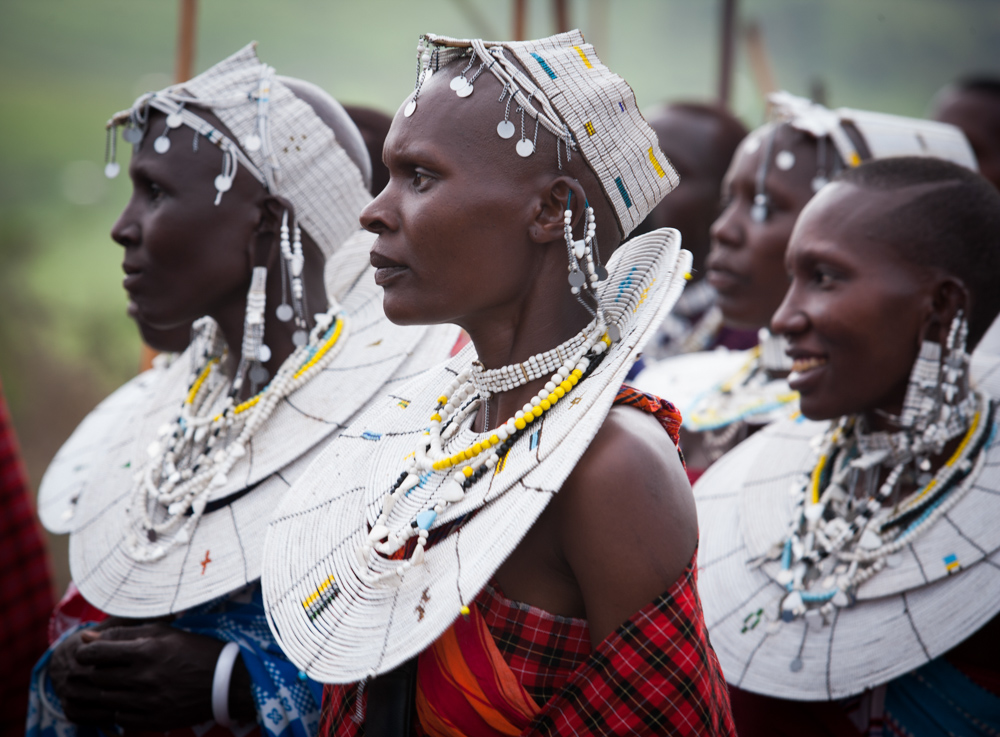
The Maasai are among the most photographed and written-about peoples in the world — a fact that community leaders are aware of, and that shapes how the most thoughtful conservancies manage visitor interactions. The question that Maasai group ranch chairmen and Northern Rangelands Trust community liaison officers consistently raise is not whether tourism is welcome, but whether it is equitable: whether the fees paid for wildlife on community land translate into school fees, water infrastructure and healthcare rather than accruing primarily to camp operators and intermediaries. National Geographic’s longstanding coverage of Maasai culture provides historical context, but the more current story — of land rights negotiations, conservancy lease renegotiations and community-driven conservation governance — is being written in the conservancy boardrooms of Narok County. The Maasai are traditionally agro-pastoralists. Their cattle-based economy placed them in natural coexistence with wildlife: they do not hunt wild animals for food (traditionally, only young Maasai warriors were permitted to kill lions as a rite of passage, a practice now officially discouraged) and their cattle grazing patterns left space for wildlife on the same rangeland. Lions occasionally took livestock; the relationship was one of managed tolerance rather than conflict.
The Community Conservancy Model
Beginning in the 1990s, Maasai landowners in the areas bordering the Masai Mara Reserve began leasing land to conservancies in exchange for regular payments funded by tourism. The Mara North Conservancy, the Naboisho Conservancy and the Olare Motorogi Conservancy now cover more than 300,000 acres of land that would otherwise be under threat from agricultural conversion.
In exchange for the lease payment, landowners agree to remove cattle from specific zones during the wildlife season, allowing the land to function as wildlife habitat. The payment — typically between $30 and $90 per acre per year — provides a stable income that competes with agriculture on a per-acre return basis. When wildlife is worth more alive than the ground it occupies is worth as farmland, the wildlife survives.
The Benefit for Visitors
The conservancies adjacent to the reserve offer experiences unavailable inside it: night drives, walking safaris and off-road driving are all permitted on private conservancy land. Camp densities are controlled — most conservancies limit the number of tented camps permitted, ensuring that visitor numbers stay low and the experience remains exclusive.
Africa Calling’s itineraries include conservancy stays with direct community benefit payments. Ask us about our community-engaged safari options.
The Challenges the Model Faces
The community conservancy model works when the per-acre conservation payment exceeds what the same land could earn through alternative use — primarily smallholder farming, which has expanded rapidly across the Mara ecosystem’s buffer zones in the past two decades. As the human population in the region grows and agricultural returns improve, the payment required to retain conservation land use rises. Several conservancies that were established in the early 2000s have faced renegotiation of lease terms; a small number have been withdrawn from conservation use when lease payments fell below agricultural opportunity cost.
There is also the question of benefit distribution within communities. Conservancy lease payments go to the landowner — which, in Maasai land tenure, often means a male household head rather than the wider family. Women and younger community members who bear wildlife costs (livestock predation, crop damage near reserve boundaries) do not always receive proportionate benefit from the conservation payments. The better-managed conservancies have addressed this with community governance structures that require transparent benefit distribution; others have not.
Understanding this complexity does not diminish the model’s achievements — it is, by any realistic measure, the most successful mechanism for protecting wildlife habitat on community land in Africa. But it illuminates why the work of organisations like the African Wildlife Foundation in building governance capacity alongside land payments matters as much as the financial mechanism itself. Our article on northern Kenya’s community conservancies offers a parallel case from a different cultural context, and our guide to rhino conservation covers how the same ecotourism-funding model works in a fenced sanctuary setting.
Sources and Further Reading
- Bedelian, C. & Ogutu, J.O. (2017). Trade-offs for climate-resilient pastoral livelihoods in wildlife conservancies in the Maasai Mara, Kenya. Pastoralism, 7(1), 10.
- Mara Conservancy. Annual wildlife monitoring report 2023. maraconservancy.org
- African Wildlife Foundation. Maasai Mara conservancy programme overview. awf.org
- Homewood, K. et al. (2009). Staying Maasai? Livelihoods, Conservation and Development in East African Rangelands. Springer.
About the Author

Managing Director, Africa Calling Safaris · Editor, Safari News
Over two decades designing private safari journeys across Kenya, Tanzania and Uganda. Full profile →
More from Safari News
All stories-
Events & Conservation
Saving the African Wild Dog: Kenya’s Rarest Predator and What’s Being Done
The African wild dog is Africa's most endangered large carnivore, with fewer than 6,000 individuals remaining continent-wide. In Kenya, a handful of populations survive in private conservancies. This is why they matter…
-
Events & Conservation
Community-Based Conservancies in Northern Kenya: Tourism That Gives Back
Northern Kenya's community conservancies — areas managed by local communities as wildlife habitat — represent a different model of conservation from government-run parks. Here is how they work and why they matter.
-
Events & Conservation
Ol Pejeta Conservancy: Africa’s Largest Black Rhino Sanctuary Explained
Ol Pejeta holds more black rhinos than anywhere else in Africa — including the world's last two northern white rhinos. Here is what makes this 90,000-acre conservancy extraordinary and how to visit.