Health
Safari Health Checklist: 7 Questions Answered by a Doctor and a Guide
Vaccines, malaria, food and water, sun, altitude, chronic conditions and insurance: evidence-based safari health advice from a doctor and a guide.
Sightings, seasons and travel advice from the guides and planners of Africa Calling Safaris in Nairobi.
Since 1995 Guiding safaris · Africa Calling Safaris Ltd, established 2004
Vaccines, malaria, food and water, sun, altitude, chronic conditions and insurance: evidence-based safari health advice from a doctor and a guide.
The term “ethical safari” is used widely in marketing but rarely defined precisely. As demand for authentic wildlife experiences grows, so does the risk of operations that harm the very animals they…
The pangolin is the world’s most trafficked wild mammal. All eight species—four African, four Asian—are protected under CITES Appendix I, meaning international commercial trade is illegal. Yet an estimated one million pangolins…
Kenya and Tanzania share the Maasai Mara–Serengeti ecosystem—the largest savannah ecosystem on Earth—and together they define the safari experience for most travellers. Choosing between them, or combining them, comes down to timing,…
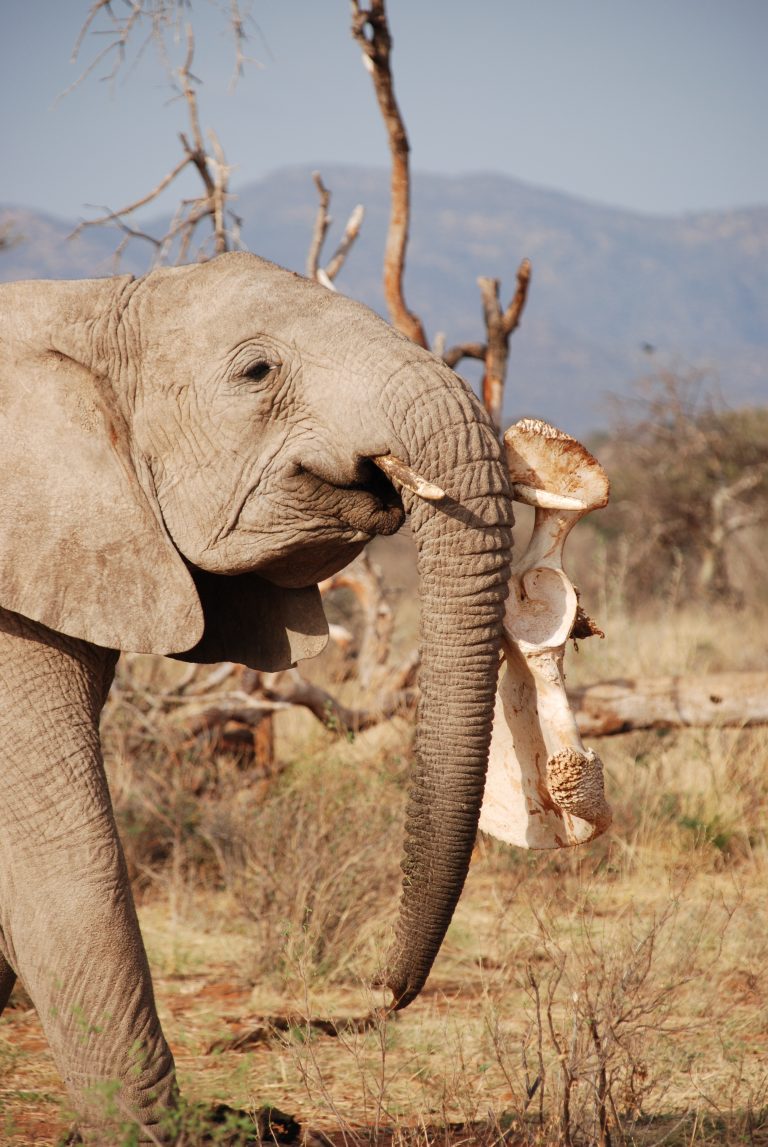
Elephants communicate across frequencies and distances that were invisible to science until the 1980s. Beyond the familiar trumpets and rumbles audible to human ears, elephant communication extends into infrasound below 20 Hz—frequencies…
A safari to East Africa requires more pre-travel health preparation than most international trips. The combination of remote locations, limited medical facilities, infectious disease risk and physical demands of game drives and…
Squeezed between the Indian Ocean beach resorts of the Kenyan coast and the dry hinterland, the Arabuko-Sokoke Forest is a relic—a fragment of what was once a vast coastal forest belt stretching…
Safari photography is a discipline of light, patience and technical restraint. The challenges—fast-moving subjects, variable light, vibrating vehicles—are very different from studio or landscape work. A few targeted skills and the right…
African wild dogs (Lycaon pictus) have one of the highest hunt success rates of any large predator—estimated at 60–90%, compared to roughly 25–30% for lions. Yet they remain one of the continent’s…
Acute mountain sickness (AMS) affects a significant proportion of trekkers attempting Mount Kenya (5,199 m) and Kilimanjaro (5,895 m). Understanding the physiology, recognising early symptoms and knowing when to descend are the…
The shoebill (Balaeniceps rex) looks as though it wandered out of the Cretaceous. Standing over 1.2 metres tall with a pale grey plumage and a bill the size and shape of a…
Every week our safari planners and the doctors of GMJ answer the questions travellers ask before they fly: vaccinations, malaria, food and water, and how to travel safely with diabetes, heart or lung conditions.
Each article is reviewed by a medical doctor and dated. It is general advice: see your own doctor or a travel clinic 6–8 weeks before you travel.
First topics in the series
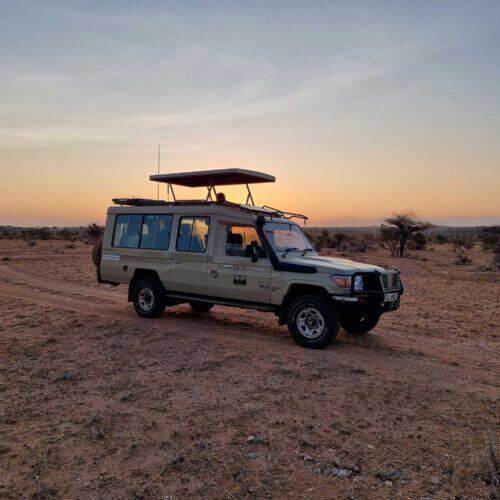
Send us your best photo, a short video or a link to your post. With your permission, we will feature it in Guest Stories and on our Facebook and Instagram.