Travel Tips
Practical safari travel tips and planning advice.
-
Travel Tips
Safari Photography Equipment: What to Bring and Why
Safari photography has specific demands that differ significantly from urban or travel photography. The distances involved, the speed of wildlife action, the vehicle vibration, the dust and the extreme contrast between bright…
-
Travel Tips
The Wildebeest Migration: A Month-by-Month Timing Guide
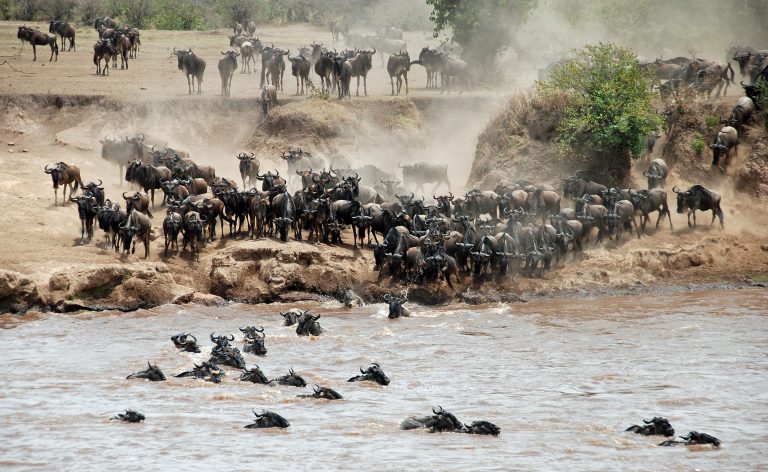
The wildebeest migration is the largest overland movement of mammals on Earth: approximately 1.5 million wildebeest, 400,000 zebra and 200,000 Thomson's gazelle moving in a continuous circuit through the Serengeti-Masai Mara ecosystem…
-
Travel Tips
Kenya’s Green Season: How to Safari in the Short Rains
Kenya has two rainy seasons, and both are more useful for travellers than their reputation suggests. The short rains of October and November and the long rains of April and May transform…
-
Events & Conservation
African Wild Dogs: Africa’s Most Efficient Pack Hunter
The African wild dog (Lycaon pictus) is Africa's most efficient large predator and one of its most endangered mammals. With fewer than 6,600 individuals surviving across the continent, a sighting in Kenya's…
-
Travel Tips
Kenya Makes Travel Health Insurance Mandatory for All Visitors From 6 October 2026
Every foreign national travelling to Kenya must now hold a government-approved travel health insurance policy before arrival. The requirement became fully operational on 6 October 2026, when Kenya's Electronic Travel Authorization (ETA)…
-
Events & Conservation
Saving the African Wild Dog: Kenya’s Rarest Predator and What’s Being Done
The African wild dog is Africa's most endangered large carnivore, with fewer than 6,000 individuals remaining continent-wide. In Kenya, a handful of populations survive in private conservancies. This is why they matter…
-
Events & Conservation
Community-Based Conservancies in Northern Kenya: Tourism That Gives Back
Northern Kenya's community conservancies — areas managed by local communities as wildlife habitat — represent a different model of conservation from government-run parks. Here is how they work and why they matter.
-
Events & Conservation
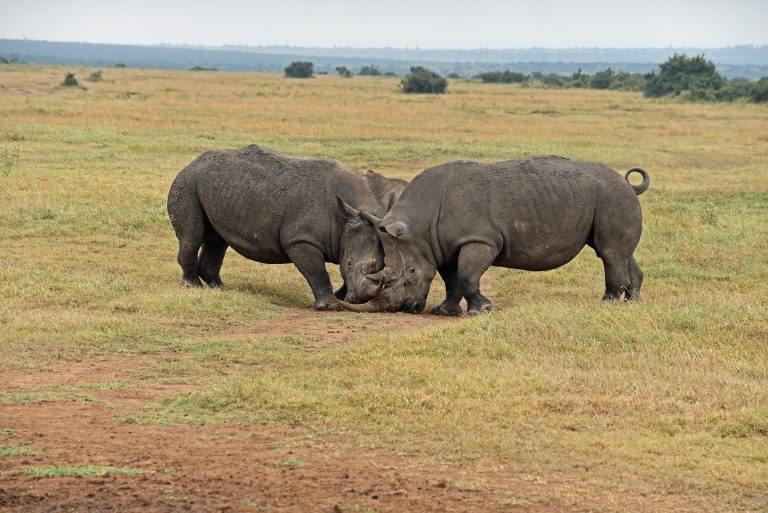
Ol Pejeta Conservancy: Africa’s Largest Black Rhino Sanctuary Explained
Ol Pejeta holds more black rhinos than anywhere else in Africa — including the world's last two northern white rhinos. Here is what makes this 90,000-acre conservancy extraordinary and how to visit.
-
Events & Conservation
The Maasai and Wildlife: A Partnership That Protects Both
The Maasai people of Kenya and Tanzania have coexisted with wildlife for centuries. Today, community conservancies managed by Maasai landowners are proving more effective at protecting wildlife than government reserves.
-
Events & Conservation
Rhino Conservation in Kenya: How Ecotourism Is Saving a Species
Kenya's black rhino population has grown from under 400 in the 1980s to over 900 today. Ecotourism revenue is central to that recovery. Here is how the model works and why it…