Photography on Safari: Camera Settings, Etiquette and What to Pack
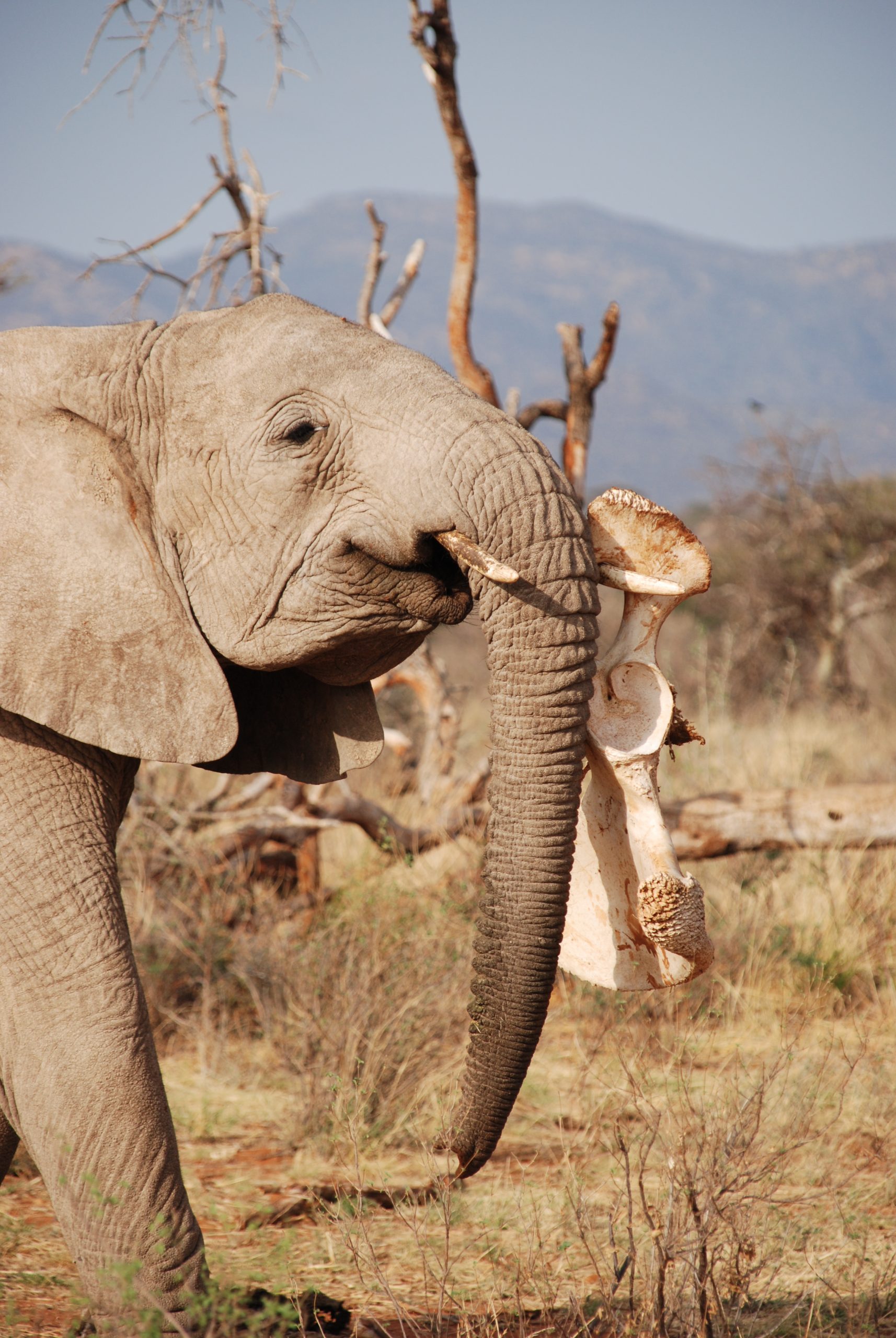
Safari photography is a discipline of light, patience and technical restraint. The challenges—fast-moving subjects, variable light, vibrating vehicles—are very different from studio or landscape work. A few targeted skills and the right kit produce results that justify the journey. Here is what twenty years of guiding photographers in East Africa has taught us.
The Light Problem and How to Solve It
Wildlife photography in East Africa is effectively governed by the sun. The “golden hours”—the first and last hours of daylight—produce warm, directional light that defines subjects beautifully and makes for naturally sharp images. Midday light is flat, harsh and creates deep shadows under animal faces.
Structure your game drives around this: be in the field at dawn and use the middle hours for returns to camp, lunch and equipment maintenance. Late afternoon drives from around 15:00 give a second golden window.
Camera Settings for Moving Animals
Start with these baseline settings and adjust from there.
Image stabilisation: if your lens or body has in-body stabilisation, enable it even on a vehicle. The combination of your movement, the vehicle’s idling engine and telephoto magnification creates vibration that stabilisation reduces meaningfully.
Vehicle Etiquette
Your guide positions the vehicle for optimal light and proximity without disturbing behaviour. Trust that positioning judgement. From your seat: do not lean out aggressively, do not speak loudly, do not wave arms, and mute your phone. Predators in particular may abandon a hunt or abandon a kill if a vehicle moves too close or too suddenly.
“I will always move away from a scene if my clients’ photography is affecting the animals’ behaviour. The experience comes first. A photograph is secondary.”
Nikos Pocock — Managing Director, Africa Calling Safaris
What to Bring
Focal length: A 100–500mm zoom or a 400mm prime covers most safari subjects. A 70–200mm handles larger mammals at close range and habitat shots. A wide angle (24–35mm) is useful for landscape and camp photography. Bodies: Bring a second body if possible—dust, vibration and humidity are hard on electronics and you cannot send to a repair shop from the bush. Storage and power: High-capacity cards (at least 128 GB) and a multi-port charging hub for lodge evenings. A laptop for daily edits and backup is strongly recommended on any trip longer than a week.
400mm is the practical minimum for useful bird photographs. For mammals at typical game-drive distances, 300–500mm is the standard range.
No. Drone use is prohibited in all Kenyan national parks and reserves without a specific KWS permit. Violation carries significant fines.
Visited Africa Calling Safaris? We would love to hear your story.
Share Your ExperienceMore from Safari News
All stories-
Events & Conservation
Responsible Wildlife Encounters: What Ethical Safari Looks Like in Practice
The term “ethical safari” is used widely in marketing but rarely defined precisely. As demand for authentic wildlife experiences grows, so does the risk of operations that harm the very animals they…
-
Events & Conservation
The Pangolin: Africa’s Most Trafficked Mammal and the Fight to Save It
The pangolin is the world’s most trafficked wild mammal. All eight species—four African, four Asian—are protected under CITES Appendix I, meaning international commercial trade is illegal. Yet an estimated one million pangolins…
-
Travel Tips
Kenya vs Tanzania: Which Safari Destination Is Right for You?
Kenya and Tanzania share the Maasai Mara–Serengeti ecosystem—the largest savannah ecosystem on Earth—and together they define the safari experience for most travellers. Choosing between them, or combining them, comes down to timing,…