Samburu National Reserve: Northern Kenya’s Hidden Wildlife Jewel
What Makes Samburu Different
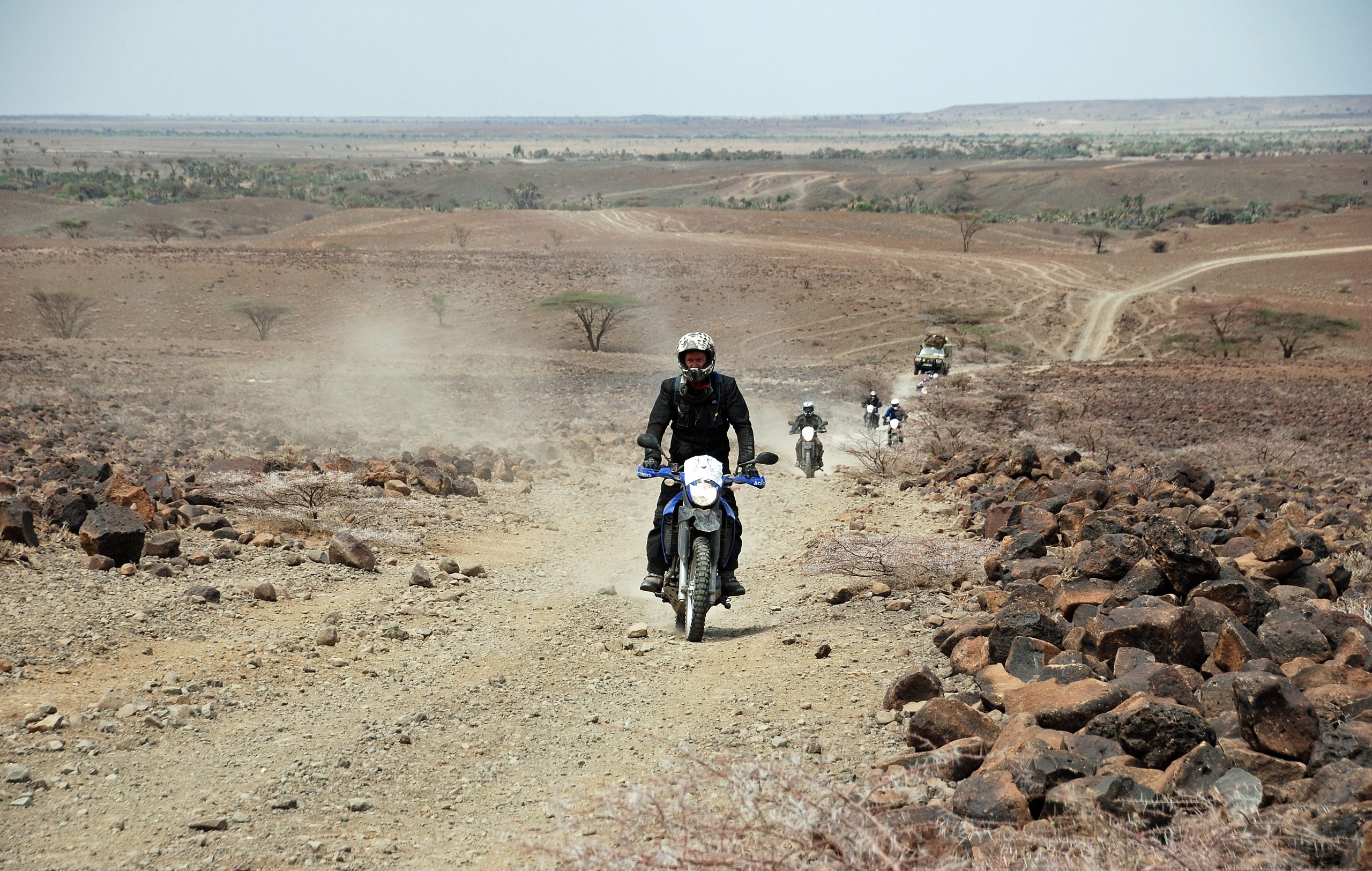
Where the Masai Mara is grassland, Samburu is dry-country savanna — acacia woodland, sandy riverbeds, and the Ewaso Ngiro River that attracts game in concentrated, photogenic density during the dry months. The reserve (165 km²) sits at 900m elevation in Kenya’s arid north, 350km from Nairobi.
The reserve is most famous for species absent from southern Kenya: the reticulated giraffe (the world’s largest giraffe subspecies), Grevy’s zebra (the world’s largest wild equid), Beisa oryx, Somali ostrich and gerenuk (the giraffe-necked antelope). These are collectively known as the Samburu Special Five.
Wildlife Density and Predators
The Ewaso Ngiro River acts as a wildlife magnet, drawing elephants, buffalo and large predator prides to its banks. Samburu’s lions are well habituated to vehicles — Samburu pride dynamics have been studied continuously since the 1970s. Leopard sightings along the river are frequent, and cheetah use the open plains north of the river.
When to Visit
Samburu is a year-round destination. January–February and June–October are the driest months with the best wildlife concentration along the river. The short rains (November) green the bush but do not significantly reduce sightings. March–May (long rains) can make some tracks impassable in standard vehicles.
“Samburu changes how guests see Africa. They come from the Mara knowing what to expect, and then they see a gerenuk standing on its hind legs to reach an acacia thorn. Nothing prepares you for that.”
Nikos Pocock — Managing Director, Africa Calling Safaris
Combining Samburu with the Mara
The classic Kenya itinerary pairs 3–4 nights in Samburu with 4–5 nights in the Masai Mara. Fly-in options from Wilson Airport (Nairobi) take 50 minutes. The contrast between dry-country Samburu and open-grassland Mara doubles the ecological breadth of the safari experience without duplicating species.
Frequently Asked Questions
Reticulated giraffe, Grevy’s zebra, Beisa oryx, Somali ostrich and gerenuk. All five are endemic to arid northern Kenya and Somalia and are not found in the Masai Mara ecosystem.
Fly from Wilson Airport Nairobi to Samburu airstrip (~50 min). Alternatively, drive 5–6 hours on the A2 highway, comfortable for those with time to spare.
Yes. The reserve is professionally managed. Security in the wider Samburu County has improved significantly since 2018. Your operator will monitor any evolving situations and adjust plans accordingly.
No. The same recommended prophylaxis for the Mara applies in Samburu. The mosquito risk is broadly similar across Kenya’s low-to-medium elevation safari destinations.
Visited Africa Calling Safaris? We would love to hear your story.
Share Your ExperienceMore from Safari News
All stories-
Travel Tips
Hippos: Africa’s Most Dangerous Animal and How to Watch Them Safely
The hippopotamus is Africa’s most dangerous large mammal in terms of recorded human fatalities. It kills more people per year than lion, leopard, crocodile or elephant combined. This statistic surprises many first-time…
-
Travel Tips
Okavango Delta: Safari by Mokoro in Botswana
The Okavango Delta in Botswana is one of the world's great wilderness areas. The traditional mokoro canoe is the defining way to explore it.
-
Travel Tips
The Samburu Special Five: Species Found Only in Northern Kenya
The “Samburu Special Five” is not a marketing invention — it is a genuine ecological phenomenon. Five large mammal species found in Kenya’s northern semi-arid savannahs do not occur in the southern…