Malaria Prevention for Safari Travellers: The Complete Guide
Malaria is preventable. Every year travellers skip prophylaxis and end up seriously ill. This guide explains which drugs work, which areas carry the highest risk, and the non-pharmaceutical steps that actually make a difference.
Medical review pending.
Professor of Public Health, David Tvildiani Medical University · Chair, Public Health Institute of Georgia · WHO Consultant, Health & Migration · Editor-in-Chief, Georgian Medical Journal
Ⓐ ORCID: 0000-0001-7609-4515
Produced in partnership with GMJ Newsroom and peer-reviewed by the GMJ editorial board.
Malaria is the most significant health risk for safari travellers in sub-Saharan Africa. It is also entirely preventable with the right preparation. The disease is transmitted by the female Anopheles mosquito, which feeds primarily between dusk and dawn [1]. Understanding the risk and taking it seriously before departure is the single most important health step a traveller can take.
The Risk in Kenya and Tanzania
Transmission risk varies significantly by altitude and rainfall pattern. The coast, Lake Victoria basin and low-altitude game reserves carry year-round risk [2]. Nairobi — at 1,700 metres — is generally considered low-risk but not zero-risk. The Masai Mara (1,500–2,000 m) has moderate seasonal risk that rises during and after the long rains (April to June). The WHO World Malaria Report estimates 249 million cases globally in 2022, with the African Region accounting for 94% of cases [3]. Consult a travel medicine specialist for personalised advice based on your specific itinerary and health history.
The Three Prophylactic Options
Atovaquone-proguanil (Malarone): The most commonly prescribed option for East Africa [4]. Taken daily, starting one to two days before entering a risk area and continuing seven days after departure. Well-tolerated by most travellers. Expensive for trips longer than three weeks.
Doxycycline: Inexpensive and effective. Taken daily, starting two days before. Causes photosensitivity in some people — relevant for sun-intensive safari environments [4]. Cannot be taken during pregnancy.
Mefloquine (Lariam): Weekly dosing. Requires a three-week lead time before departure. Associated with neuropsychiatric side effects in a subset of users [5]. Less commonly recommended now but still appropriate for some travellers.
Non-Drug Prevention
Prophylaxis is not a complete barrier. Combine it with [1, 6]:
- DEET-based repellent (30–50% concentration) on exposed skin from 4:00 p.m. onwards
- Long-sleeved shirts and trousers in light colours at dusk and dawn
- Sleeping under a permethrin-treated mosquito net
- Air conditioning or a fan, which disrupts mosquito flight
If You Develop a Fever
Any fever during travel or within three months of returning from a malaria-risk area should be evaluated immediately [7]. Do not wait. Tell every doctor you see that you have been in sub-Saharan Africa. Malaria is treatable when caught early and rapidly fatal when ignored.
Africa Calling’s briefing documents for each destination include current transmission risk levels and recommended prophylaxis. We are not medical providers, but we ensure every traveller leaves with the right questions to ask their doctor. Contact us before you travel.
About the Authors

Prof. Giorgi Pkhakadze, MD MPH PhD
Medical Reviewer & Co-Author
Professor of Public Health at David Tvildiani Medical University, Tbilisi. Chair, Public Health Institute of Georgia. WHO Consultant, Health & Migration. Editor-in-Chief, Georgian Medical Journal. Former principal public health adviser to the Prime Minister of Georgia (COVID-19 pandemic, 2020–2022).
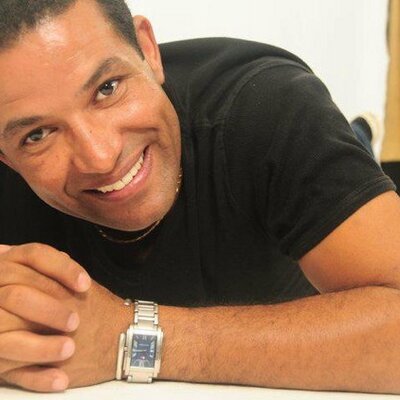
Managing Director, Africa Calling Safaris
With over two decades of experience planning private safaris across Kenya, Tanzania and Uganda, Nikos has guided guests from more than 40 countries through East Africa’s wilderness. He brings on-the-ground expertise to the Africa Calling Safari News health series, produced in partnership with the Georgian Medical Journal.
References
- World Health Organization. Malaria. WHO Fact Sheet. Geneva: WHO; 2023. Available from: https://www.who.int/news-room/fact-sheets/detail/malaria
- Centers for Disease Control and Prevention. Malaria in Kenya. CDC Yellow Book 2024. Atlanta: CDC; 2023. Available from: https://wwwnc.cdc.gov/travel/destinations/traveler/none/kenya
- World Health Organization. World Malaria Report 2023. Geneva: WHO; 2023. Available from: https://www.who.int/publications/i/item/9789240086173
- Schlagenhauf P, Petersen E. Malaria chemoprophylaxis: strategies for risk groups. Clin Microbiol Rev. 2008;21(3):466–472. doi:10.1128/CMR.00059-07
- Toovey S. Mefloquine neurotoxicity: a literature review. Travel Med Infect Dis. 2009;7(1):2–6. doi:10.1016/j.tmaid.2008.12.004
- Goodyer L, Croft AM, Frances SP, et al. Expert review of the evidence base for arthropod bite avoidance. J Travel Med. 2010;17(3):182–192. doi:10.1111/j.1708-8305.2010.00411.x
- National Institute for Health and Care Excellence (NICE). Malaria: NICE guideline NG190. London: NICE; 2020. Available from: https://www.nice.org.uk/guidance/ng190
About the Author
Managing Director, Africa Calling Safaris · Editor, Safari News
Over two decades designing private safari journeys across Kenya, Tanzania and Uganda. Full profile →
This article is general health information for travellers, not personal medical advice. Rules on vaccinations and malaria prevention change; check with your own doctor or a travel clinic 6–8 weeks before you travel.
More from Safari News
All stories-
Safari Health
Safari Health Checklist: 7 Questions Answered by a Doctor and a Guide
Vaccines, malaria, food and water, sun, altitude, chronic conditions and insurance: evidence-based safari health advice from a doctor and a guide.
-
Safari Health
Safari Medical Kit: 12 Items Every Traveller Should Pack
Bush camps are remote. The nearest pharmacy may be three hours away. A compact personal medical kit handles the everyday issues that can derail a safari if you are unprepared.
-
Safari Health
Heat and Sun on Safari: Avoiding Heat Exhaustion in East Africa
Game drives run through the heat of the day. Many first-time safari travellers underestimate the sun at altitude and end up spending their second afternoon in camp instead of in the field.…