Photography Ethics on Safari: The Rules That Protect Wildlife
Good wildlife photography and ethical wildlife photography are not the same thing. Understanding the difference matters.
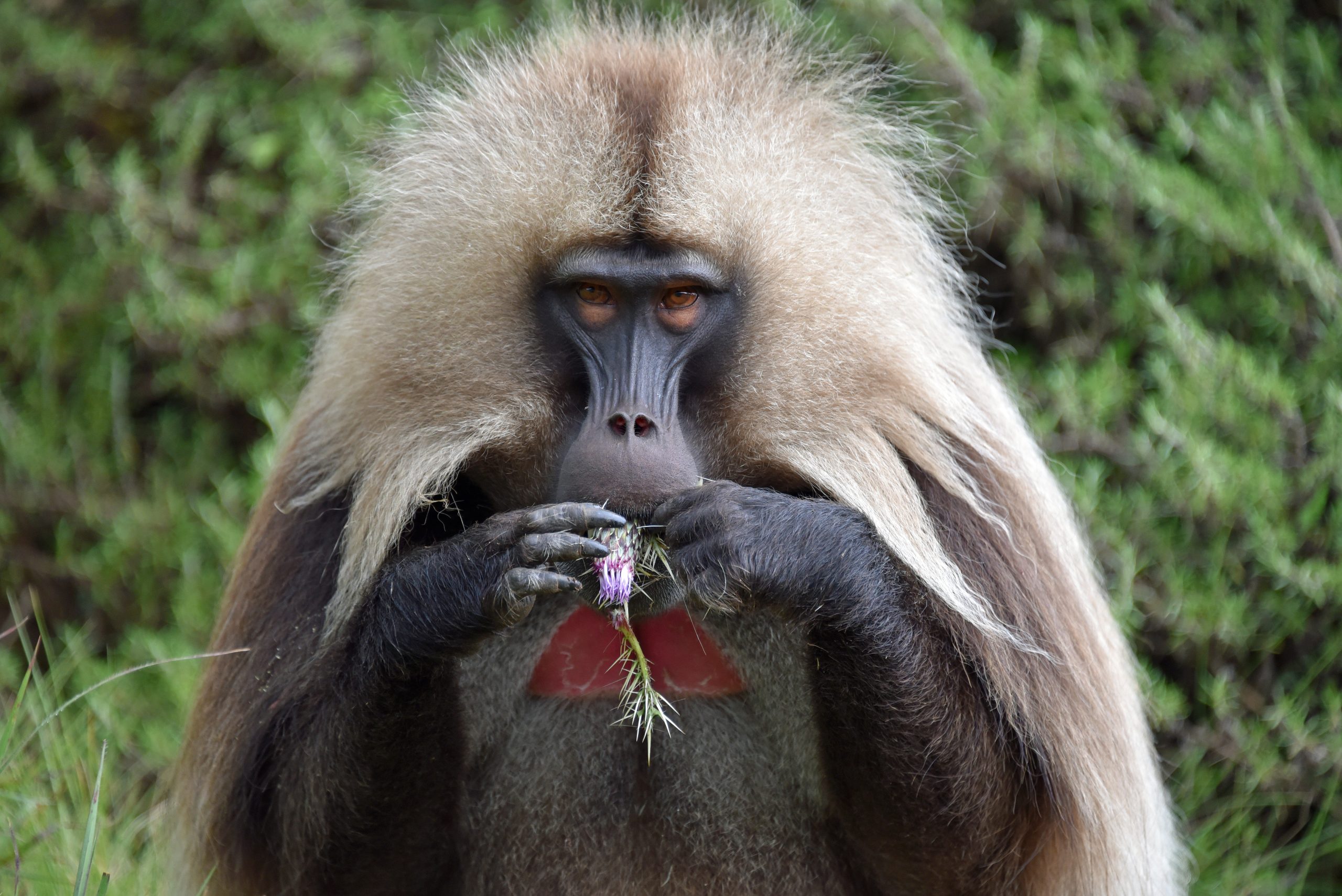
The rule that governs all ethical wildlife photography is simple: the animal’s welfare comes before the image. In practice, this means keeping a respectful distance, never requesting that a guide drive closer than is comfortable for the animal, and never making sounds or movements designed to provoke a reaction.
Baiting — placing food to attract predators or other species for a photograph — is prohibited in all Kenya Wildlife Service parks and in most conservancies. It disrupts natural hunting behaviour and, in the case of large predators, can create dangerous associations between humans and food rewards that ultimately cost the animal its life.
Drones are not permitted in Kenya’s national parks or most private conservancies without advance written permission from the relevant authority. The noise causes significant stress to nesting birds and young animals, and the footage collected does not justify that impact for recreational use.
Visited Africa Calling Safaris? We would love to hear your story.
Share Your ExperienceMore from Safari News
All stories-
Travel Tips
Okavango Delta: Safari by Mokoro in Botswana
The Okavango Delta in Botswana is one of the world's great wilderness areas. The traditional mokoro canoe is the defining way to explore it.
-
Travel Tips
The Samburu Special Five: Species Found Only in Northern Kenya
The “Samburu Special Five” is not a marketing invention — it is a genuine ecological phenomenon. Five large mammal species found in Kenya’s northern semi-arid savannahs do not occur in the southern…
-
Travel Tips
The Maasai’s Relationship with Lions: Conservation Through Coexistence
For centuries, Maasai lion-killing was a rite of passage. Today, community conservancies are rewriting that relationship.