The Maasai’s Relationship with Lions: Conservation Through Coexistence
For centuries, Maasai lion-killing was a rite of passage. Today, community conservancies are rewriting that relationship.
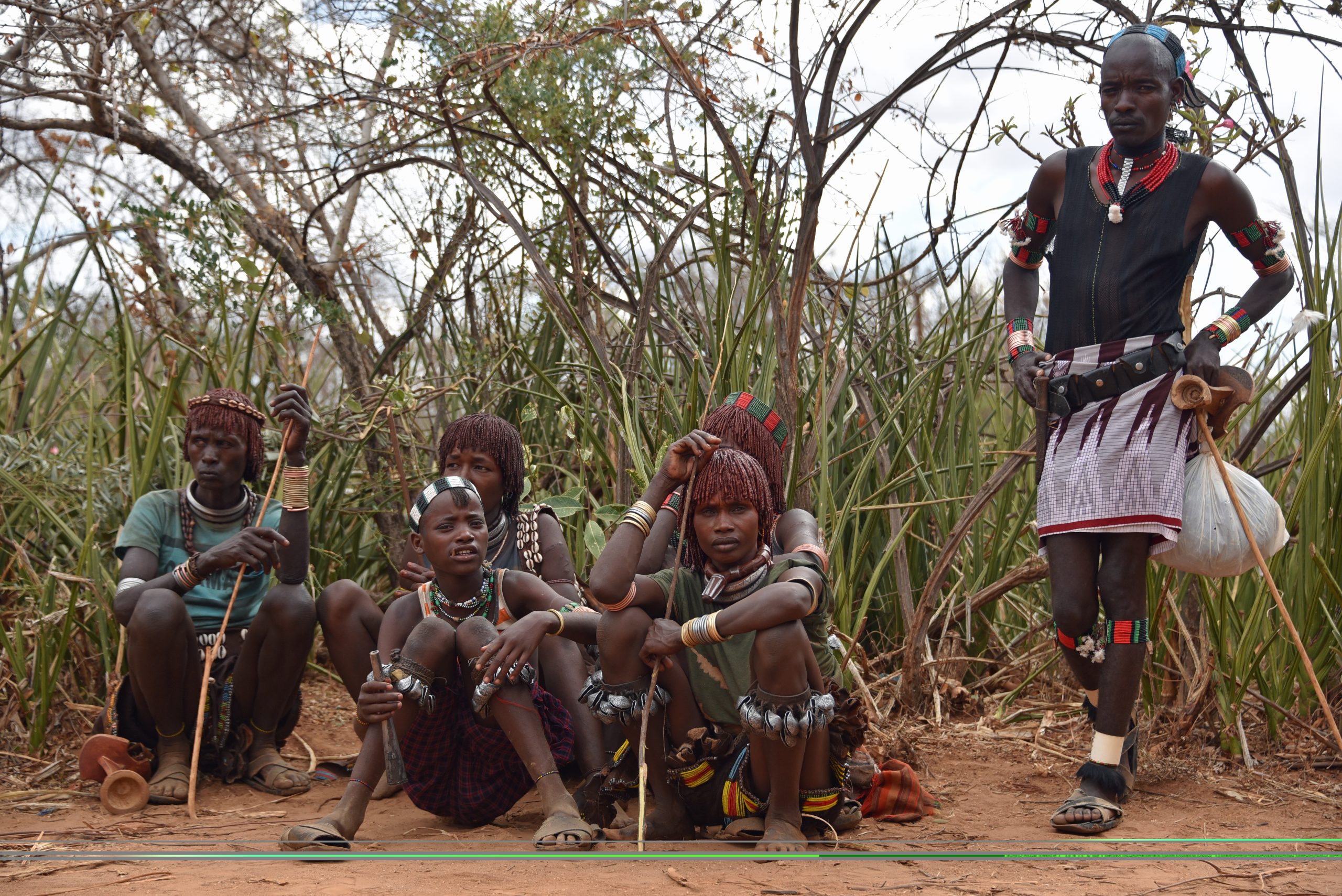
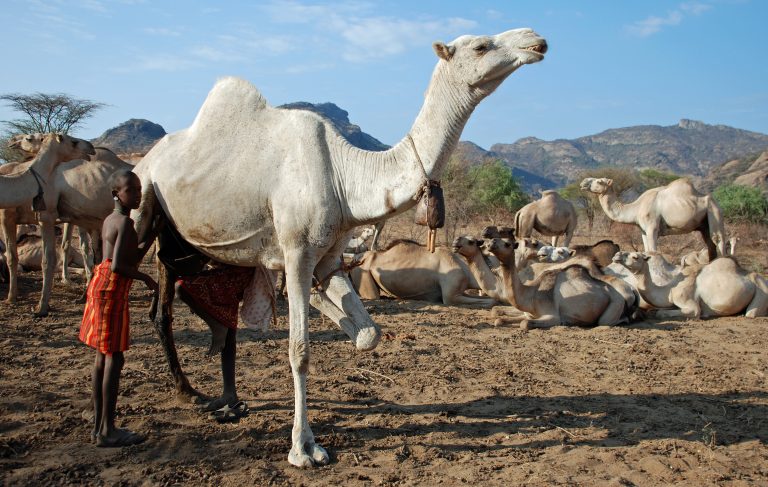
The olng’esherr — the lion hunt — was once central to Maasai male identity. A young warrior who killed a lion with a spear demonstrated courage, endurance, and readiness for leadership. The lion’s mane was a mark of status. This tradition, combined with livestock predation, drove lion populations in Maasailand to historic lows through the 1990s and early 2000s.
The shift has been remarkable. Organisations including Lion Guardians work with former hunters, training them as monitors who track individual lions by name, mediate human-lion conflict, and receive income from tourism and conservation funds. Young Maasai men are now building reputations not from killing lions but from knowing lions — their territories, personalities, and family histories.
Lion populations in Maasai conservancies adjacent to the Mara have increased significantly under this model, while participating communities report higher average household incomes than non-participating neighbours.
Visited Africa Calling Safaris? We would love to hear your story.
Share Your ExperienceMore from Safari News
All stories-
Travel Tips
The Samburu Special Five: Species Found Only in Northern Kenya
The “Samburu Special Five” is not a marketing invention — it is a genuine ecological phenomenon. Five large mammal species found in Kenya’s northern semi-arid savannahs do not occur in the southern…
-
Travel Tips
How to Read a Safari Pricing Brochure: What Is Included and What Is Not
Safari pricing is deliberately complex. Operators use varied terminology, bundle items differently, and present costs in ways that make direct comparison difficult. Understanding how to read a safari quote — what is…
-
Travel Tips
Buffalo: Africa’s Most Dangerous Animal and Why That Title Is Earned
Cape buffalo kill more hunters and poachers each year than any other large African mammal. Understanding their behaviour keeps you safer.