Honeymoon in the Bush: Why We Chose Kenya over the Maldives
James and Priya swapped the standard beach honeymoon for five nights in Kenya's northern conservancies. Here is what they found — and why they have no regrets.
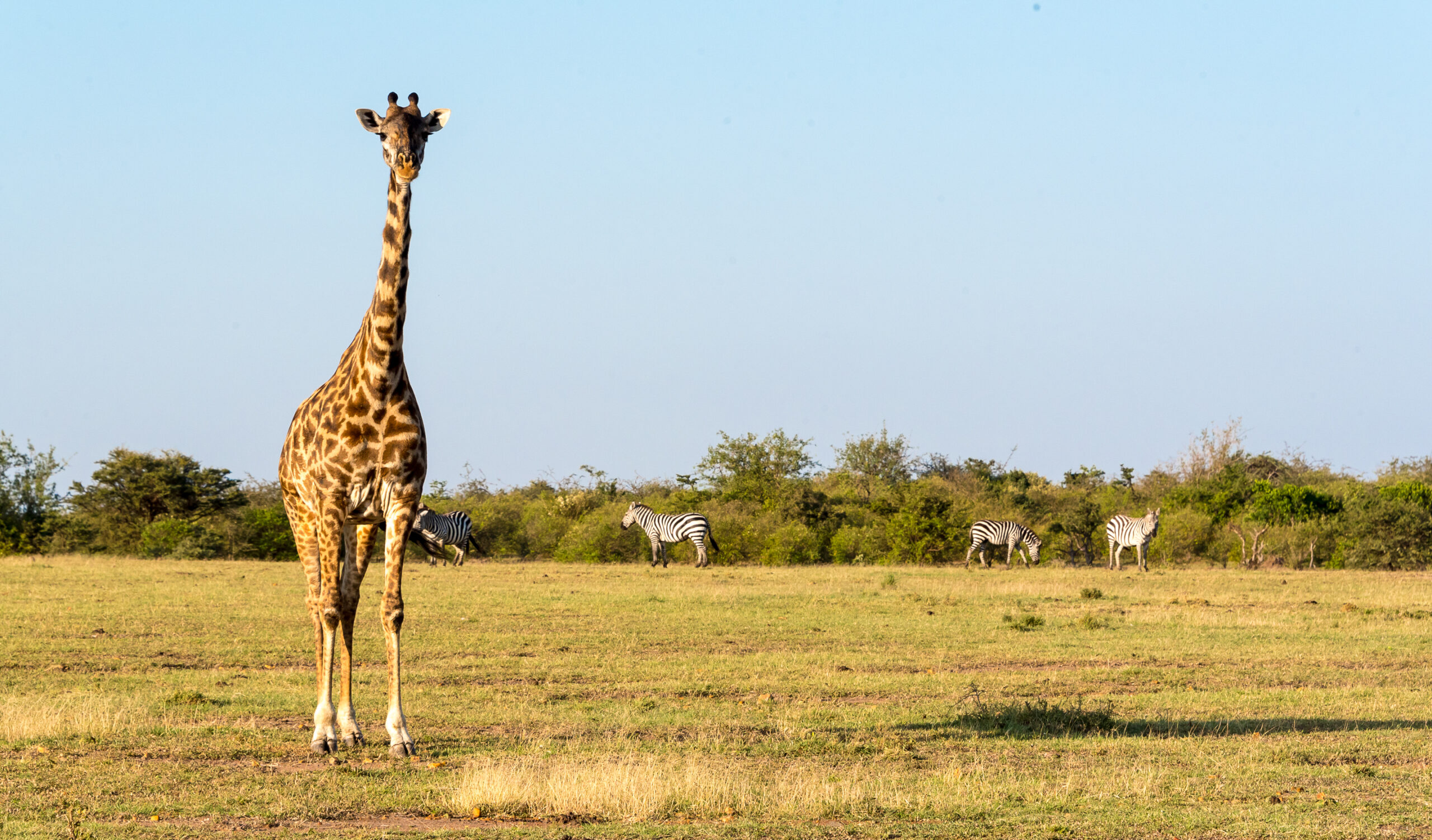
James (34) and Priya (32) were married in June. They honeymooned with Africa Calling in Kenya’s Laikipia Plateau, choosing a private conservancy over the beach honeymoon most of their friends were expecting.
“Everyone assumed we were going to the Maldives,” Priya says. “We nearly did. Then we started looking at Kenya and we couldn’t think of a single reason not to go.”
Key Facts
- Laikipia Plateau: elevation 1,600–2,000 m; average year-round daytime temperature 22–26°C; cool dry nights suit bush walking and outdoor dining
- Grevy’s zebra (Equus grevyi): the world’s largest wild equid, reaching 430 kg and 1.5 m at the shoulder; classified Endangered (IUCN)
- Laikipia holds over 50% of the world’s remaining Grevy’s zebra population — approximately 1,500–1,700 individuals
- African wild dog (Lycaon pictus) pack hunting success rate: approximately 70–85% — the highest of any African carnivore
- Laikipia Plateau: over 70 private ranches and community conservancies, covering approximately 9,500 km², making it Kenya’s largest private conservation landscape
Why Not the Beach?
“We both wanted something that felt like an adventure, not just relaxation,” James explains. “We’d both been to beach resorts before. We wanted something we’d never done, something we’d talk about for years. A safari felt like the right thing.”
Choosing Laikipia Over the Mara
Our operator suggested Laikipia Plateau rather than the Masai Mara for a honeymoon. The reasoning was persuasive: Laikipia’s private conservancies offer a level of exclusivity — smaller camps, private game drives, night walks and horse-riding with armed rangers — that the more crowded Mara cannot match. The wildlife is extraordinary: lion, elephant, leopard, endangered Grevy’s zebra and African wild dog.
“Our camp had eight tents,” Priya says. “For three days we barely saw another vehicle. Our guide was essentially ours exclusively. That felt very different from what I’d imagined a safari would be.”
The Practical Things
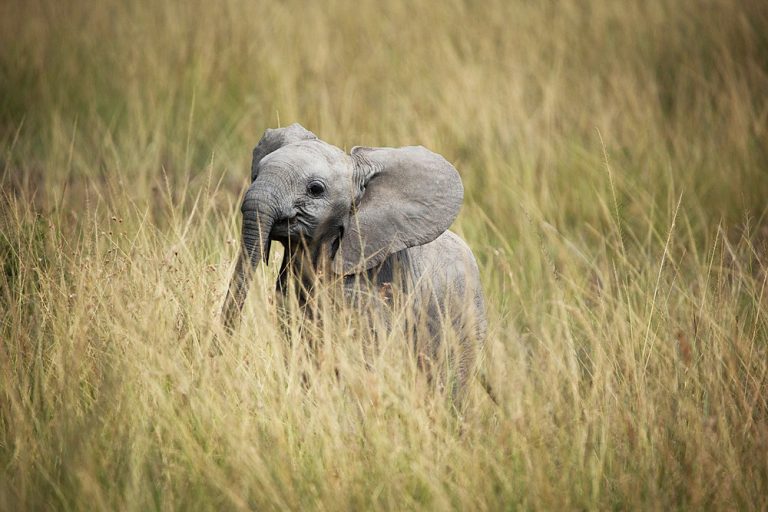
The camp arranged champagne on their arrival and decorated the tent for their first night. Dinner was served under the stars in a dry riverbed on the second evening. Wildlife sightings that week included a wild dog pack hunting, a leopard with a fresh impala kill draped over a branch, and elephant families at the camp’s waterhole at sunset.
“The staff knew it was our honeymoon and quietly made it feel special without making it feel performative,” James says. “That balance was perfect.”
What They Would Change
“Nothing,” Priya says. “Though I’d stay longer. Five nights felt rushed by the end. We didn’t want to leave.” James adds: “We’re going back. Maybe for our tenth anniversary. Or fifth. Or second.”
Africa Calling specialises in private conservancy honeymoon itineraries across Kenya and Tanzania. Contact us to begin planning yours.
What Makes Laikipia Right for a Honeymoon
Laikipia Plateau sits at approximately 1,700 metres elevation on Kenya’s central highlands, which gives it a significantly cooler and more comfortable climate than the Masai Mara or the coast. Temperatures average 22 to 26 degrees Celsius in the dry months; nights are cool enough to require a light blanket. The landscape — open grassland broken by rocky outcrops, riverine forest along the Ewaso Ng’iro and Nanyuki rivers, and black cotton soil plains — is striking without the theatrical scale of the Mara. It is a landscape that rewards close observation.
The Grevy’s zebra, which inhabits Laikipia in one of its last viable populations, is the world’s largest wild equid. The Grevy’s Zebra Trust, based in Laikipia, estimates the global wild population at approximately 3,000, with Kenya holding the majority. Most private conservancy camps in the region support the Trust’s monitoring programme; guests often see GPS-collared animals during game drives. This conservation dimension adds a layer to the honeymoon experience that purely luxury destinations cannot replicate.
Couples considering a honeymoon safari should also read our guide to community conservancies in northern Kenya, which describes the land tenure model that makes Laikipia’s private camps possible. For those weighing the Masai Mara against Laikipia, our seasonal guide explains the distinct wildlife peaks in each ecosystem. The budget guide covers the realistic cost of a Laikipia honeymoon across the range of available camps.
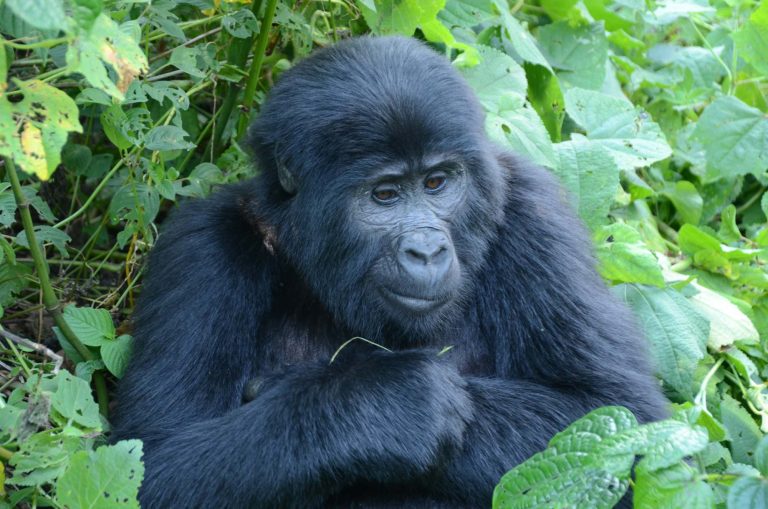
The behaviour described in this account is consistent with documented gorilla habituation research; National Geographic’s mountain gorilla research pages provide the scientific context that a first-person narrative cannot carry.
Sources and Further Reading
- Grevy’s Zebra Trust. Kenya Grevy’s zebra population status report 2024. grevyszebratrust.org
- African Wildlife Foundation. Laikipia Plateau conservation programme. awf.org
- Woodroffe, R. & Ginsberg, J.R. (1998). Edge effects and the extinction of populations inside protected areas. Science, 280(5372), 2126–2128.
- Laikipia Wildlife Forum. Conservancy landscape overview. laikipia.org
About the Author
Managing Director, Africa Calling Safaris · Editor, Safari News
Over two decades designing private safari journeys across Kenya, Tanzania and Uganda. Full profile →
More from Safari News
All stories-
Guest Stories
From Tbilisi to Nairobi: A Georgian’s First Safari Experience
Nino had never left Europe before. She chose Kenya as her first intercontinental trip. Here is her account of what surprised her most about East Africa and why she would go back.
-
Guest Stories
Solo Safari: How I Spent Two Weeks in Kenya Alone and Loved It
David travelled solo to Kenya for the first time at 45, nervous about being a lone traveller among couples and families. Two weeks later, he had the most memorable trip of his…
-
Guest Stories
Family Safari with Kids Under 10: Honest Advice from a Parent
Tom and Emma took their two daughters (ages 5 and 8) to Kenya for ten days. Here is what worked, what was harder than expected, and the camps that made the trip…