Best Time to Visit Kenya for Safari: Month-by-Month Breakdown
Kenya has a year-round safari season, but the experience varies dramatically by month. This guide breaks down what each season offers so you can choose dates that match what you want to see.
Kenya does not have a single “best” season. National Geographic Travel’s Kenya seasonal guide offers independent verification of the considerations below, and is worth reading alongside the practical details in this article. Kenya does not have a single “best” season — it has different seasons that suit different priorities. The right time to visit depends on whether you are chasing the wildebeest crossing, avoiding crowds, controlling costs, or optimising photography conditions.
Key Facts
- Kenya straddles the equator; the Masai Mara sits at approximately 1,500 m elevation, giving it a mild year-round climate despite its equatorial latitude
- The long rains (March–May) account for approximately 60–70% of annual rainfall across most of Kenya’s safari ecosystems
- Statistically, August records the highest frequency of Mara River wildebeest crossings per season
- Shoulder season (June, November) offers comparable wildlife density to peak months at 25–40% lower accommodation rates in most reserves
- Kenya receives approximately 1.5–2 million international visitors annually; the Masai Mara alone hosts over 300,000 visitor-days per year
January – February: Dry, Clear and Busy
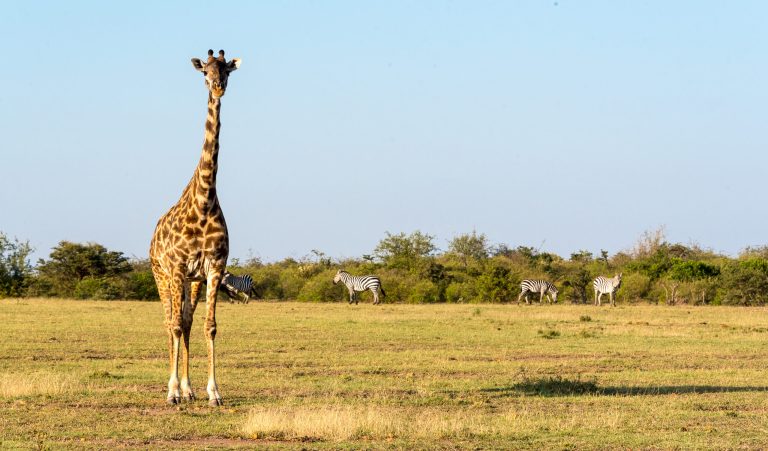
The short dry season offers excellent game viewing across all ecosystems. Vegetation is shorter after the December rains, making animals easier to spot. The wildebeest are calving in southern Tanzania’s Serengeti but the Mara is excellent for resident wildlife — lion, elephant, cheetah and leopard. Clear skies mean sharp photography. Prices are high; book well in advance.
March – May: The Long Rains
Rainfall is heaviest from April to early May. Dirt roads in some reserves can become impassable. Vegetation is lush and green, with excellent birdlife including migratory species. Wildlife is dispersed but healthy. Prices are at their lowest — sometimes 30 to 40 per cent below peak season rates. A good time for photographers who want unusual light and less crowded reserves.
June: The Transition Month
Rains tail off, reserves begin to dry out. Wildebeest herds start moving north from Tanzania. Prices are moderate. One of the most pleasant months for a safari — comfortable temperatures, improving roads, building herd activity.
July – October: Peak Season
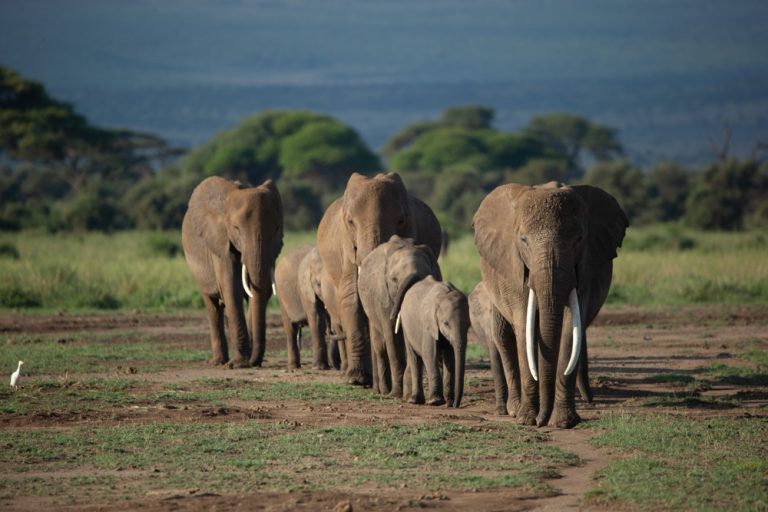
The Great Migration crossing of the Mara River peaks between late July and early October. The Masai Mara is at its most spectacular but also at its most crowded, particularly around the main crossing points. Amboseli’s elephants concentrate around the swamps. Samburu’s northern reserves are excellent in this dry period. Prices are at their highest. Book 12 months ahead for the top camps.
November – December: The Short Rains and Recovery
Short, sharp rains fall in November, greening the landscape quickly. Wildebeest begin moving south again. Crowds thin significantly. A genuinely good time for value-focused travellers who do not need to see a Mara River crossing.
Simple rule: If the wildebeest crossing is non-negotiable, go in August or September. If budget is the priority, go in November or April. If you want great game viewing without the Mara crowds, go to Amboseli, Samburu or Laikipia in October.
Africa Calling builds custom itineraries for every season. Tell us your dates and priorities and we will design accordingly.
Choosing Between Destinations Across the Season
The right time to visit Kenya often depends as much on where you are going as when. The Masai Mara’s migration corridor peaks from late July to early October, but Amboseli’s elephant concentration is strongest in the dry season from June through October when the swamps are surrounded by animals. Samburu’s wildlife viewing is consistent year-round, with the dry months (June to October and January to February) producing the most concentrated activity along the Ewaso Ng’iro River. Laikipia’s private conservancies, which hold African wild dog and black rhino, are excellent from June through November.
Photography conditions also vary by season in ways that matter. The long rains (April to May) produce dramatic skies, vivid green vegetation and unusual atmospheric light — conditions that experienced wildlife photographers often prefer to the flat clarity of peak season. The short rains (November) are brief enough to allow full game-drive days in most weeks.
The Kenya Wildlife Service maintains updated reserve status pages, including any road or gate closures caused by seasonal flooding. For detailed information on what to expect at each destination during your specific travel window, our guides to the wildebeest migration and Amboseli’s elephants provide month-specific advice. The safari budget guide covers how seasonal pricing affects the total cost of your trip.
Sources and Further Reading
- Kenya Meteorological Department. Kenya Climate Guide: seasonal rainfall patterns. meteo.go.ke
- Kenya Tourism Board. Kenya Tourism Performance Report 2024. tourism.go.ke
- Kenya Wildlife Service. Official park and reserve visitor guidelines. kws.go.ke
- African Wildlife Foundation. Kenya safari destination overview. awf.org
About the Author

Managing Director, Africa Calling Safaris · Editor, Safari News
Over two decades designing private safari journeys across Kenya, Tanzania and Uganda. Full profile →
More from Safari News
All stories-
Travel Tips
Safari Budget Guide: What Does a Kenya Safari Actually Cost?
Prices for Kenya safaris vary enormously — from basic camping to ultra-luxury camps at $2,000 per night. This guide explains the cost tiers, what drives the price differences and how to budget…
-
Travel Tips
Self-Drive vs Guided Safari: Which Is Right for You?
Renting a 4WD and driving yourself through Kenya's reserves is possible and cheaper. A guided safari offers experienced tracking, species knowledge and emergency support. Here is how to decide.
-
Travel Tips
Nairobi Layover Guide: Making the Most of 6 to 48 Hours
Most Kenya safari flights route through Nairobi's Jomo Kenyatta International Airport. A layover of six hours or more is worth treating as the start of the trip rather than dead time.