African Buffalo: The Herd Animal That Keeps Lions Honest
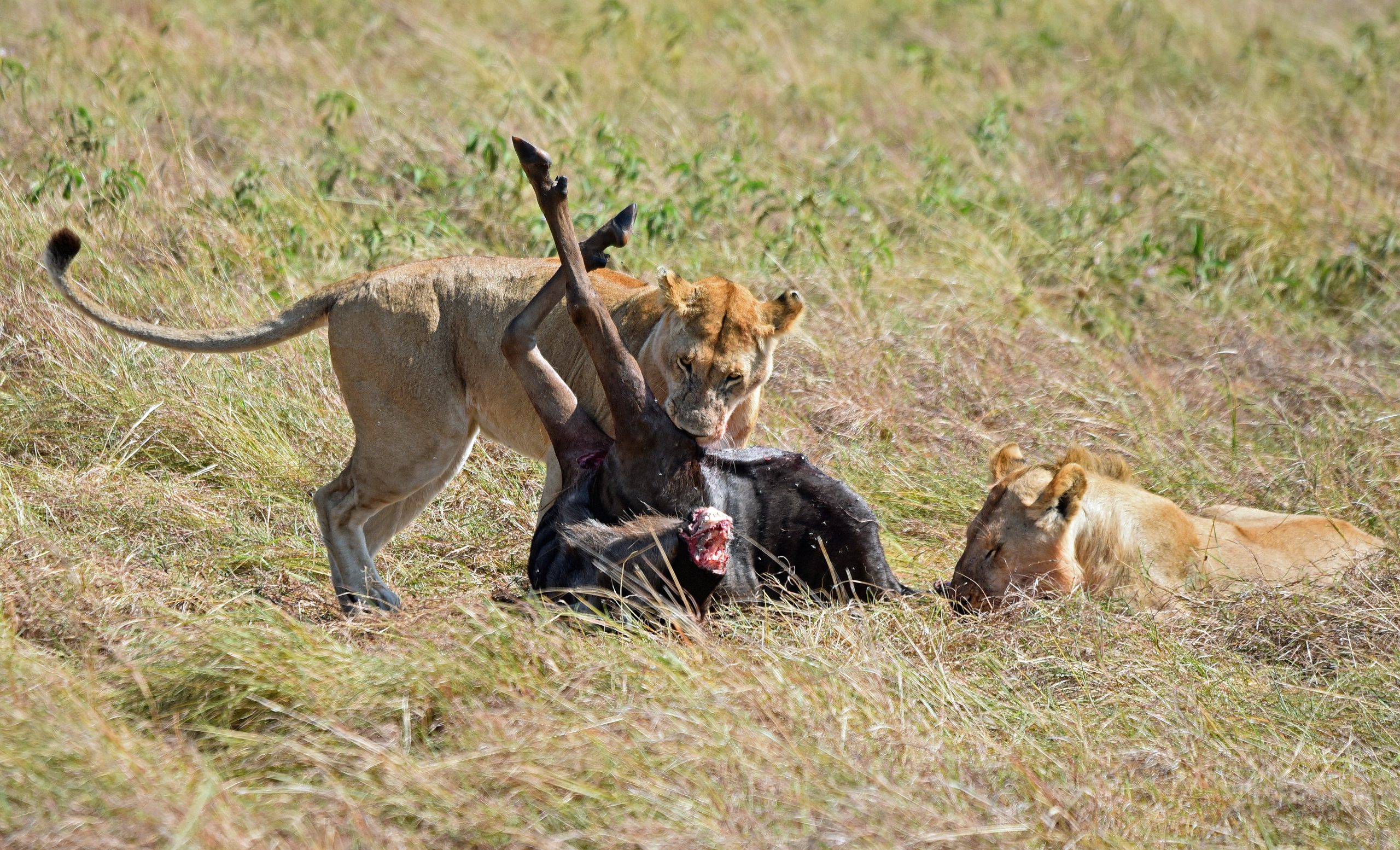
The African buffalo (Syncerus caffer) is one of the most underappreciated animals on the African savannah. Visitors focused on cats often overlook the buffalo entirely. This is a mistake. The buffalo is the prey species that structures lion society in the Masai Mara and Serengeti; a hunt involving a 500-strong buffalo herd and a large lion pride is among the most dramatic and complex wildlife events in Africa. Understanding buffalo society, ecology and behaviour transforms what appears to be a large brown cow into one of the most compelling subjects on a game drive.
Herd Structure and Social Organisation
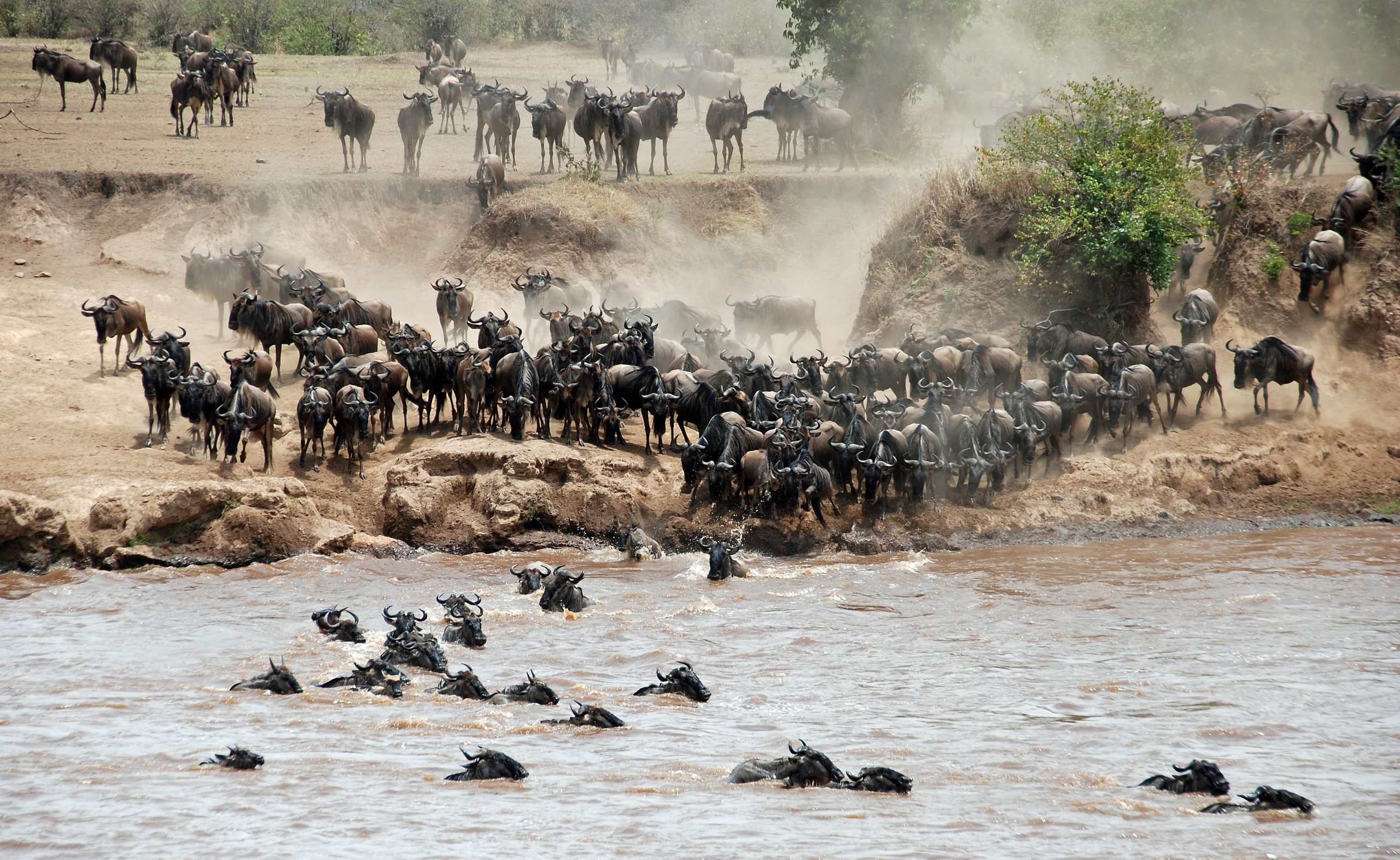
Buffalo herds are among the largest animal aggregations in the savannah ecosystem. During the wet season, herds of 500–2,000 animals form, with cows, calves and younger bulls moving together across large home ranges. These mega-herds are the primary prey base for the Masai Mara’s resident lion prides. In the dry season, herds fragment into smaller groups of 20–100 as they disperse to find water and grazing. Old bulls are expelled from the herd over time and form small bachelor groups or become solitary. These solitary ‘dagga boys’ — the name refers to the mud in which they wallow — are highly unpredictable and are treated with great caution by all experienced guides.
Masai Mara National Reserve census (2022): The Mara-Serengeti ecosystem supports an estimated 38,000 African buffalo. The resident Mara population of approximately 8,000 provides the primary year-round prey base for the reserve’s lion prides. Studies of Mara lion prey selection found that buffalo comprise 28% of large prey kills by weight, second only to wildebeest during migration season.
Buffalo Defensive Behaviour: The Mob Response
Buffalo have a remarkable collective defence against predators. When a lion or wild dog pack threatens the herd, adult bulls form a defensive perimeter around cows and calves, facing outward and presenting their formidable horns to the predator. If a herd member is caught, the herd may actively pursue the predator and attempt to rescue the captured animal. This behaviour — documented extensively in the Masai Mara and in the famous “Battle at Kruger” footage from South Africa — is a genuine example of collective risk-taking for the benefit of others in a non-primate species.
“I have watched a herd of 400 buffalo turn around and walk back to drive off a lion pride that had just brought down a calf. The herd moved as a unit, the bulls pushing forward. The lions retreated. The calf was already dead but the herd stood around it for twenty minutes before moving on. That kind of observation changes how you think about animal intelligence.”
Nikos Pocock — Managing Director, Africa Calling Safaris
Frequently Asked Questions
What is the best time to see large buffalo herds in the Masai Mara?
The dry season (July–October) concentrates buffalo herds at permanent water sources and produces the largest aggregations. Game drives along the Mara and Talek rivers during this period regularly encounter herds of several hundred animals coming to drink.
Do buffalo and lions have a balanced predator-prey relationship?
It is one of the most complex and approximately balanced in Africa. Buffalo are large enough to resist and injure lions effectively, and adult buffalo are rarely taken without significant effort or injury to the hunters. Studies in the Mara show that lions specialising in buffalo hunting have higher injury rates but also higher per-kill caloric returns than those hunting smaller prey.
What does a dagga boy look like?
Old solitary bulls are heavier, darker, and more heavily bossed (the horn base develops a hard shield covering the top of the skull) than younger animals. They frequently carry large numbers of oxpecker birds on their backs and flanks. They stand slightly apart from vegetation, facing new arrivals with a steady stare that experienced guides read as a genuine assessment of threat.
Are buffalo related to domestic cattle?
Buffalo and domestic cattle are both bovids but are not closely related — they cannot interbreed. Buffalo are susceptible to foot-and-mouth disease and can transmit it to domestic cattle, which is one source of human-wildlife conflict around park boundaries where cattle and buffalo share water sources.
Visited Africa Calling Safaris? We would love to hear your story.
Share Your ExperienceMore from Safari News
All stories-
Travel Tips
Best Time to Visit Kenya: A Season-by-Season Breakdown
The question of the best time to visit Kenya has no single answer because ‘best’ depends entirely on what you want to experience. Every month of the year offers a compelling and…
-
Travel Tips
Kenya’s Three Giraffe Species: An Identification and Conservation Guide
Kenya is home to three of the world's nine recognised giraffe species and subspecies, and the country holds the largest populations of two of them. The 2016 taxonomic revision that elevated several…
-
Events & Conservation
Maasai Community Conservancies: Land, Wildlife and Revenue Sharing
The Maasai people of Kenya's southern Rift Valley and Mara ecosystem have lived alongside wildlife for centuries. Their semi-nomadic pastoralist culture, built on cattle-keeping across vast communal rangelands, created an incidental wildlife…