Anti-Poaching Technology in Kenya: From Tracking to AI Prediction
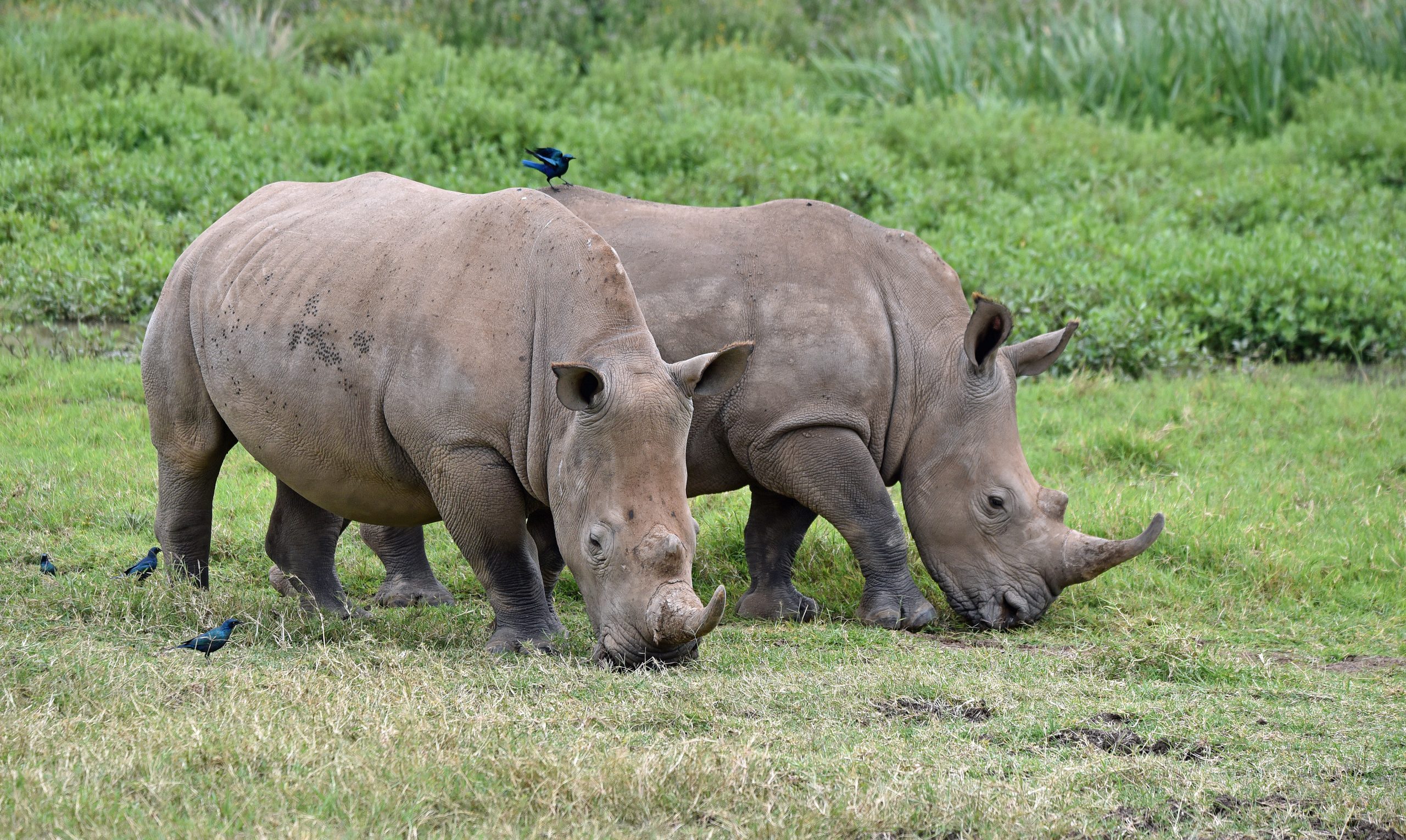
Anti-poaching in East Africa has undergone a technological transformation over the past decade. The tools and techniques that wildlife rangers use to protect elephants, rhinos and other high-value species have shifted from reactive patrol and pursuit to proactive intelligence-driven prevention. Kenya’s most progressive conservancies and parks have been at the leading edge of this evolution, and their experience offers a model being adopted across Africa.
Real-Time Monitoring Systems
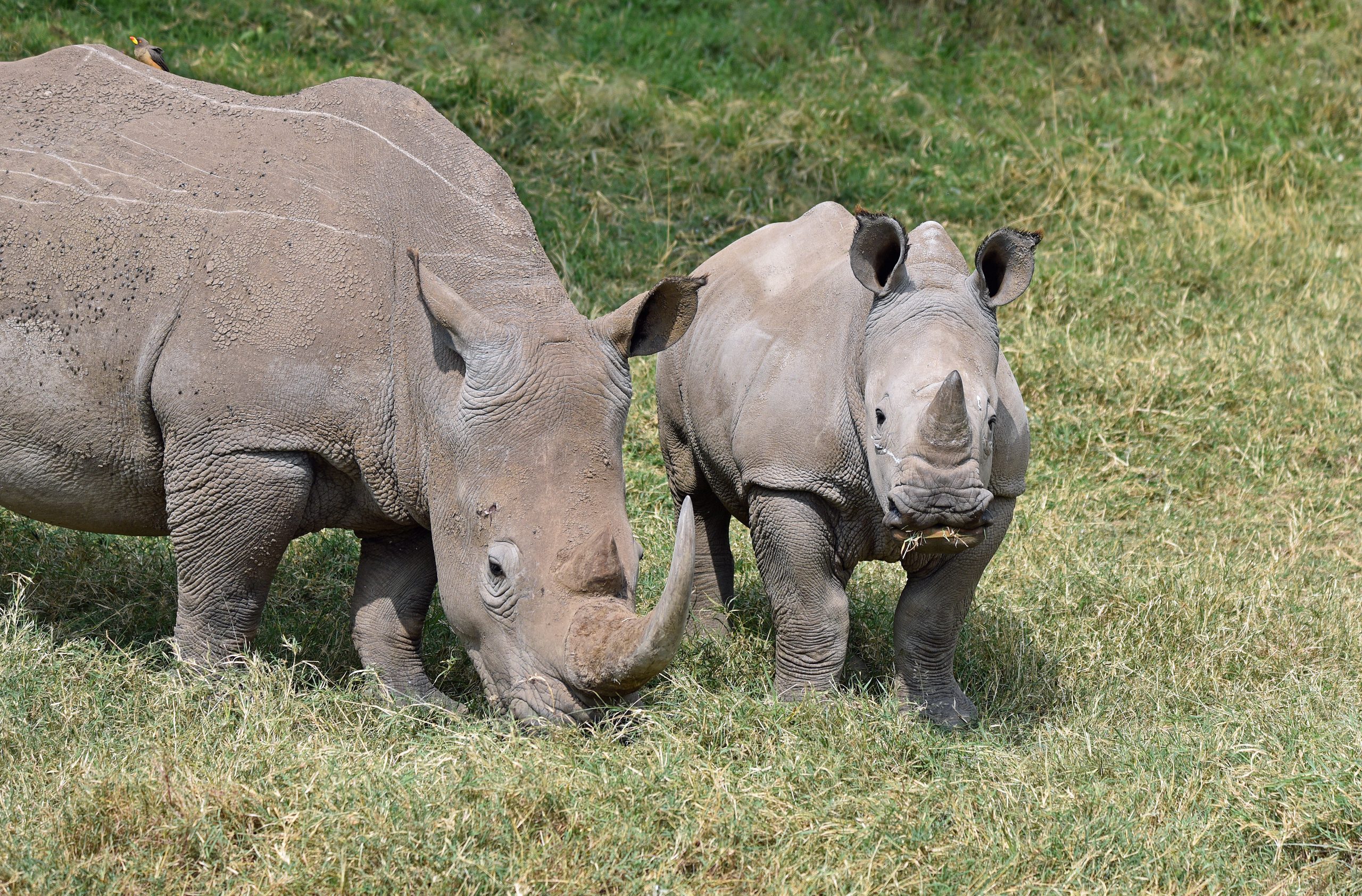
Rhino and elephant monitoring has been transformed by GPS collar technology and RFID microchipping. In Ol Pejeta Conservancy, every rhino is individually tracked with sub-metre GPS accuracy. An operations centre monitors all animals and all rangers in real time on a digital map. Any rhino that stops moving for more than a set period triggers an automated alert and a ranger response. This system has allowed Ol Pejeta to maintain a poaching incident rate close to zero for multiple consecutive years despite housing the highest density of rhinos in East Africa.
Ol Pejeta Conservancy annual data (2023): Zero rhino poaching incidents were recorded within Ol Pejeta Conservancy in 2022 and 2023. This compares to the period 2010–2013 when the conservancy lost an average of 3.2 rhinos per year. The integrated monitoring and response system has reduced response time to a ranger alert from an average of 47 minutes in 2013 to 8 minutes in 2023.
Acoustic Detection and AI Analysis
The SMART (Spatial Monitoring and Reporting Tool) system, now deployed across most of Kenya’s major conservancies and parks, records all ranger patrol routes, observations and enforcement events, generating a dataset that allows predictive modelling of poaching threats. Acoustic sensor networks — microphones deployed across high-risk areas — detect gunshots, chainsaw sounds and vehicle engines, automatically alerting the operations centre with a GPS location. AI analysis of patrol data identifies patterns — times of day, weather conditions, lunar cycles — that correlate with elevated poaching risk and allows ranger deployment to be pre-positioned.
“When I started my career in the late 1990s, anti-poaching meant a ranger walking a fixed route with a radio that barely worked. The technology today is extraordinary — rangers on our partner conservancies have real-time aerial support from drones, their GPS positions are monitored from an operations centre, and the AI system tells them where to be tonight based on the last three months of incident data. The poachers have not caught up.”
Nikos Pocock — Managing Director, Africa Calling Safaris
Community Intelligence: The Human Network
Technology amplifies but cannot replace the community intelligence networks that underpin effective anti-poaching in East Africa. The most significant advances in reducing poaching have come from employing community members as rangers, informants and wildlife monitors, giving local people a direct economic stake in wildlife protection. The Kenya Wildlife Service and the Northern Rangelands Trust have both invested heavily in community ranger programmes, and the evidence consistently shows that a community ranger with local knowledge and social networks detects and prevents more poaching than an equivalent number of government rangers without community ties.
Frequently Asked Questions
Is ivory poaching still a major problem in Kenya?
Kenya’s elephant poaching rates have declined dramatically since the peak years of 2012–2013. However, poaching has not ended — it has shifted geographically, with border areas and remote northern regions remaining under pressure. The Kenya Wildlife Service reports a 90% reduction in elephant poaching between 2012 and 2022, which is a genuine conservation success but not a solved problem.
What happens to confiscated ivory?
Kenya has a policy of burning confiscated ivory rather than selling it. Kenya has staged three major public ivory burns — in 1989, 2016 and 2019 — destroying a total of approximately 165 tonnes of ivory. The burns are intended as a statement that ivory has no legitimate commercial value. The policy is not without controversy among conservation economists who argue that controlled sales could fund conservation.
Can tourists contribute to anti-poaching efforts?
Yes, in several ways. Choosing conservancy accommodation where bed-night fees directly fund ranger salaries is the most direct contribution. Several conservancies offer ‘rhino tracking’ experiences where guests accompany monitoring rangers on foot — these generate additional revenue and awareness. Photography of animal microchip tags, ear notches and identifying features contributes to the individual ID databases that underpin monitoring.
What is the penalty for poaching in Kenya?
Kenya’s Wildlife Conservation and Management Act (2013) sets a maximum penalty of KES 20 million (approximately USD 155,000) and/or a life sentence in prison for the killing of wildlife without authorisation. This is among the most severe wildlife protection legislation in Africa and has contributed to the deterrence of commercial poaching operations.
Visited Africa Calling Safaris? We would love to hear your story.
Share Your ExperienceMore from Safari News
All stories-
Events & Conservation
Maasai Community Conservancies: Land, Wildlife and Revenue Sharing
The Maasai people of Kenya's southern Rift Valley and Mara ecosystem have lived alongside wildlife for centuries. Their semi-nomadic pastoralist culture, built on cattle-keeping across vast communal rangelands, created an incidental wildlife…
-
Events & Conservation
African Wild Dogs: Africa’s Most Efficient Pack Hunter
The African wild dog (Lycaon pictus) is Africa's most efficient large predator and one of its most endangered mammals. With fewer than 6,600 individuals surviving across the continent, a sighting in Kenya's…
-
Events & Conservation
Saving the African Wild Dog: Kenya’s Rarest Predator and What’s Being Done
The African wild dog is Africa's most endangered large carnivore, with fewer than 6,000 individuals remaining continent-wide. In Kenya, a handful of populations survive in private conservancies. This is why they matter…