Elephant Social Structures in Amboseli: What Five Decades of Research Reveals
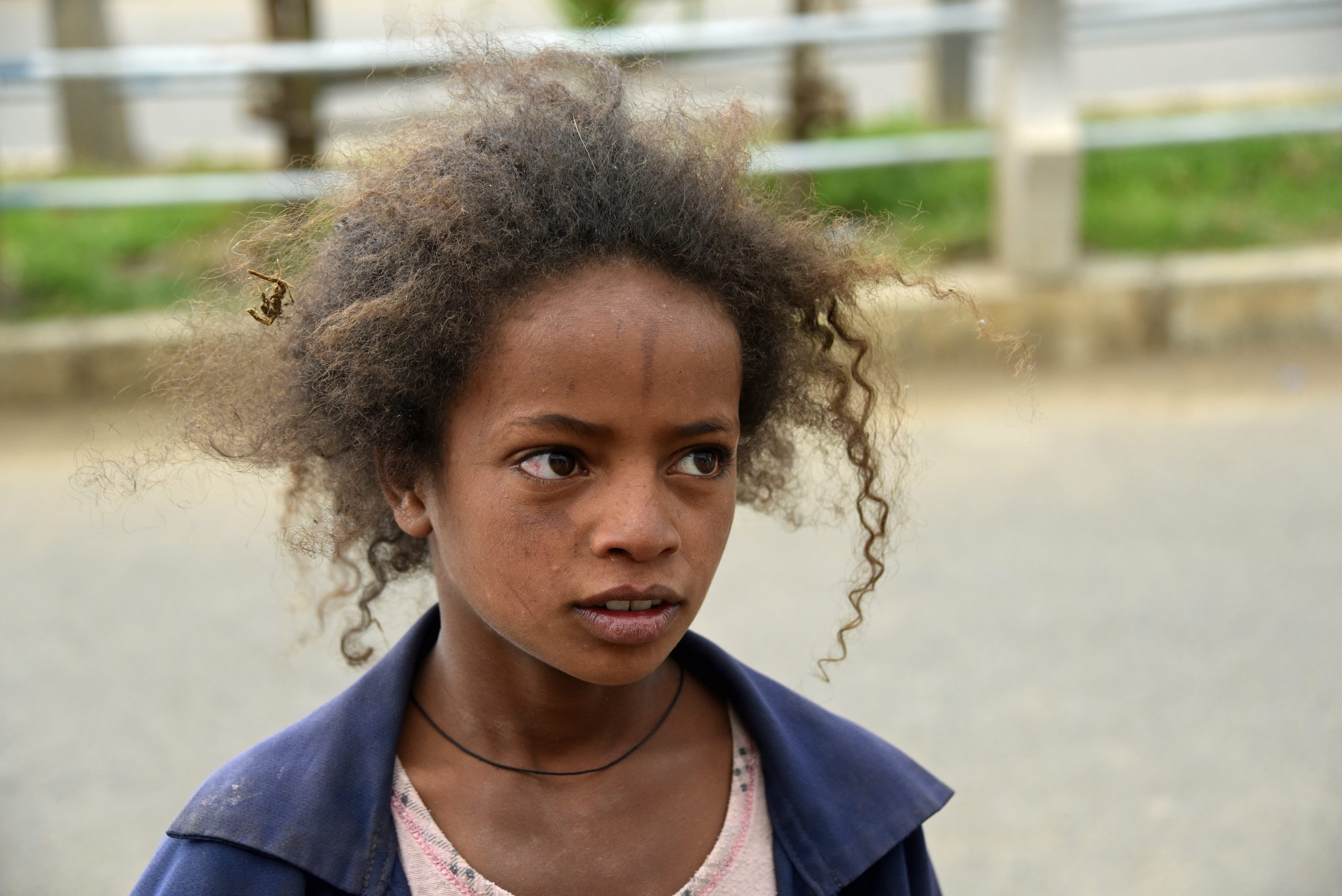
Amboseli National Park holds what many wildlife scientists consider the most thoroughly studied elephant population on Earth. Since Cynthia Moss began her research there in 1972, the Amboseli Elephant Research Project has tracked the lives of every elephant in the ecosystem across five decades. The result is an understanding of elephant social life that has transformed how scientists and conservationists understand these animals globally.
Family Structure: The Matriarch and Her Descendants
The basic unit of elephant society is the family group: a matriarch, her adult daughters, and their calves. Family groups in Amboseli average 10–15 individuals, though drought and security conditions cause significant variation. The matriarch — typically the oldest and largest female — leads the group’s movements and makes the critical decisions: when to leave a water source, where to move during drought, how to respond to perceived threats. Research has shown that families led by older, more experienced matriarchs have significantly higher survival rates in challenging conditions.
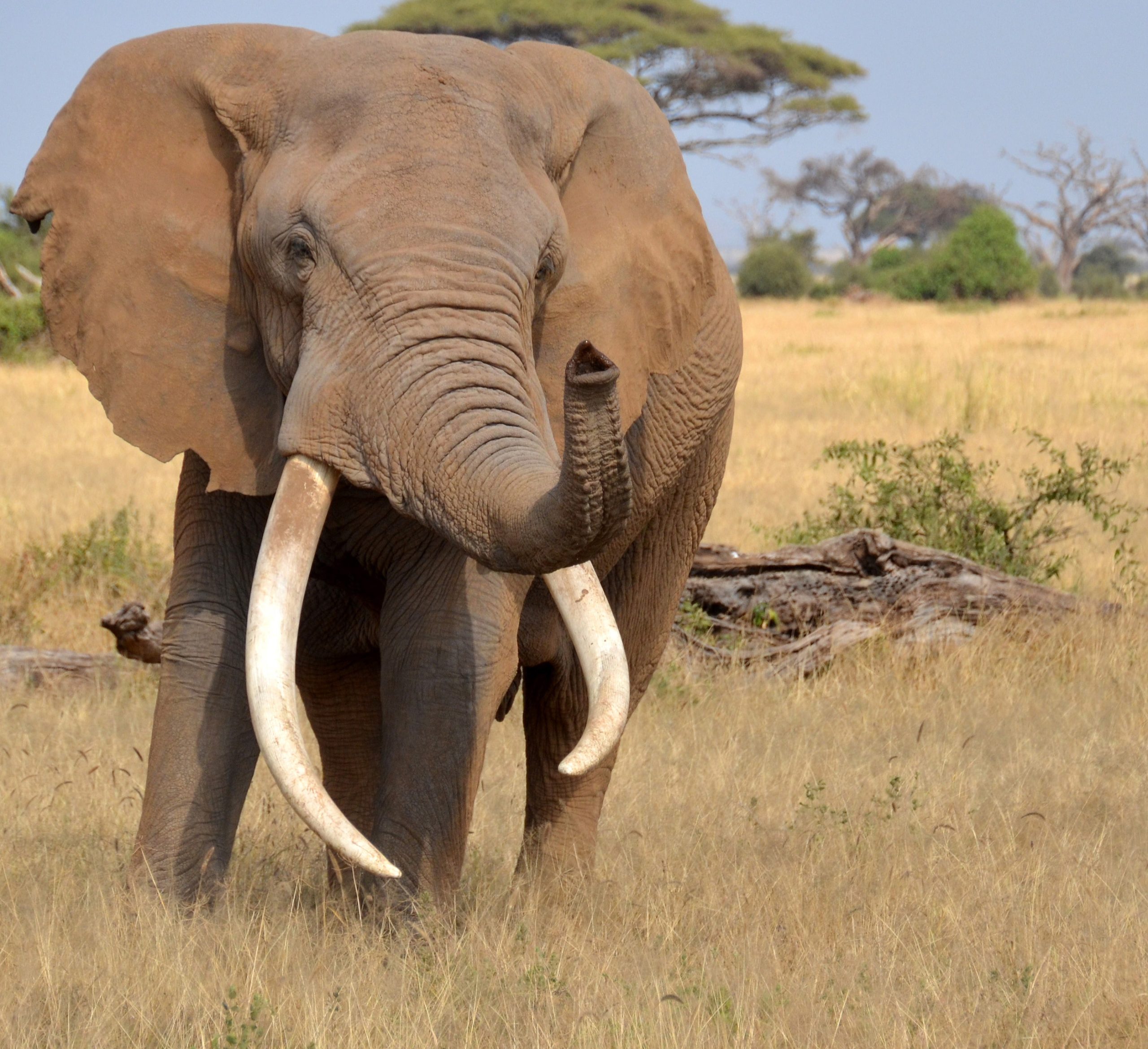
Amboseli Elephant Research Project data (1972–2023): Of the 1,600+ individually identified elephants in the Amboseli ecosystem, families led by matriarchs aged 55 or older showed survival rates 20% higher during the 2009 and 2021 droughts than families led by younger matriarchs. The older matriarchs’ ecological memory — knowledge of distant water sources — was a decisive factor.
Communication: Infrasound and Social Memory
Elephants communicate across distances up to 10 kilometres using infrasound — calls at frequencies below the range of human hearing. These low-frequency rumbles travel through both air and ground and are detected by other elephants through their feet as well as their ears. The repertoire includes contact calls, greeting rumbles, musth advertisement by males, and alarm calls specific to different threats. Cynthia Moss’s research documented that elephants recognise the calls of at least 100 other individuals, including relatives they have not encountered for years.
“Watching elephants in Amboseli teaches you patience in a way nothing else does. You can spend two hours at a waterhole with a family group — watching calves play, watching the matriarch scan the horizon, watching the teenagers practise dominance displays — and come away feeling you have understood something real about family life. They are the most human-feeling animal in the bush.”
Nikos Pocock — Managing Director, Africa Calling Safaris
The Bulls: Solitary Lives and Musth
Adult male elephants live largely solitary lives outside of the breeding season. They associate loosely in bachelor groups and join female families only temporarily to mate. The most dramatic male elephant behaviour is musth — a state of heightened reproductive activity characterised by elevated testosterone, temporal gland secretion and highly aggressive behaviour. Musth males are identifiable by the dark secretion running down the side of their faces and the continuous dribbling of urine. They are dangerous and unpredictable; experienced guides give musth bulls a wide berth and always position the vehicle with an escape route available.
Frequently Asked Questions
How many elephants are in Amboseli?
The Amboseli-Tsavo-Kilimanjaro elephant population numbers approximately 1,600 individually identified animals. The total population across the ecosystem, including unidentified individuals and migrants, is estimated at around 2,000.
Do elephants really mourn their dead?
Observational research in Amboseli and elsewhere strongly suggests elephants respond to the remains of dead conspecifics in ways that are consistent with grief-like behaviour: returning to bones of known individuals, spending extended periods touching and investigating remains, and showing behavioural indicators of distress.
Are Amboseli’s elephants endangered by human-wildlife conflict?
Human-elephant conflict is a significant challenge around the Amboseli ecosystem. As agriculture expands into traditional elephant dispersal areas, crop raiding increases and retaliatory killings by farmers occur. Community-based strategies including beehive fences and chilli barriers have reduced conflict in some areas. Climate change increasing drought frequency exacerbates the problem.
What is the gestation period of an elephant?
22 months — the longest gestation of any land mammal. A single calf is born weighing approximately 120 kg. Calves are able to walk within hours of birth but remain dependent on the family group for several years.
Visited Africa Calling Safaris? We would love to hear your story.
Share Your ExperienceMore from Safari News
All stories-
Travel Tips
Samburu National Reserve: Northern Kenya’s Hidden Wildlife Jewel
Key Message: Samburu National Reserve supports five species found nowhere else in Kenya — the Samburu Special Five — making it a must-visit complement to the Masai Mara for serious wildlife travellers.…
-
Travel Tips
Hippos: Africa’s Most Dangerous Animal and How to Watch Them Safely
The hippopotamus is Africa’s most dangerous large mammal in terms of recorded human fatalities. It kills more people per year than lion, leopard, crocodile or elephant combined. This statistic surprises many first-time…
-
Travel Tips
Okavango Delta: Safari by Mokoro in Botswana
The Okavango Delta in Botswana is one of the world's great wilderness areas. The traditional mokoro canoe is the defining way to explore it.