Kenya Safari Itineraries: Seven Days vs Fourteen Days — an Honest Comparison
The most common question at the point of booking is how long to spend in Kenya. The answer depends entirely on what you want to see and the depth of experience you are looking for. A seven-day itinerary is achievable and satisfying. A fourteen-day itinerary allows you to move more slowly, reach the northern parks and see a genuinely different dimension of Kenya. This guide compares both options honestly.
The Seven-Day Kenya Safari
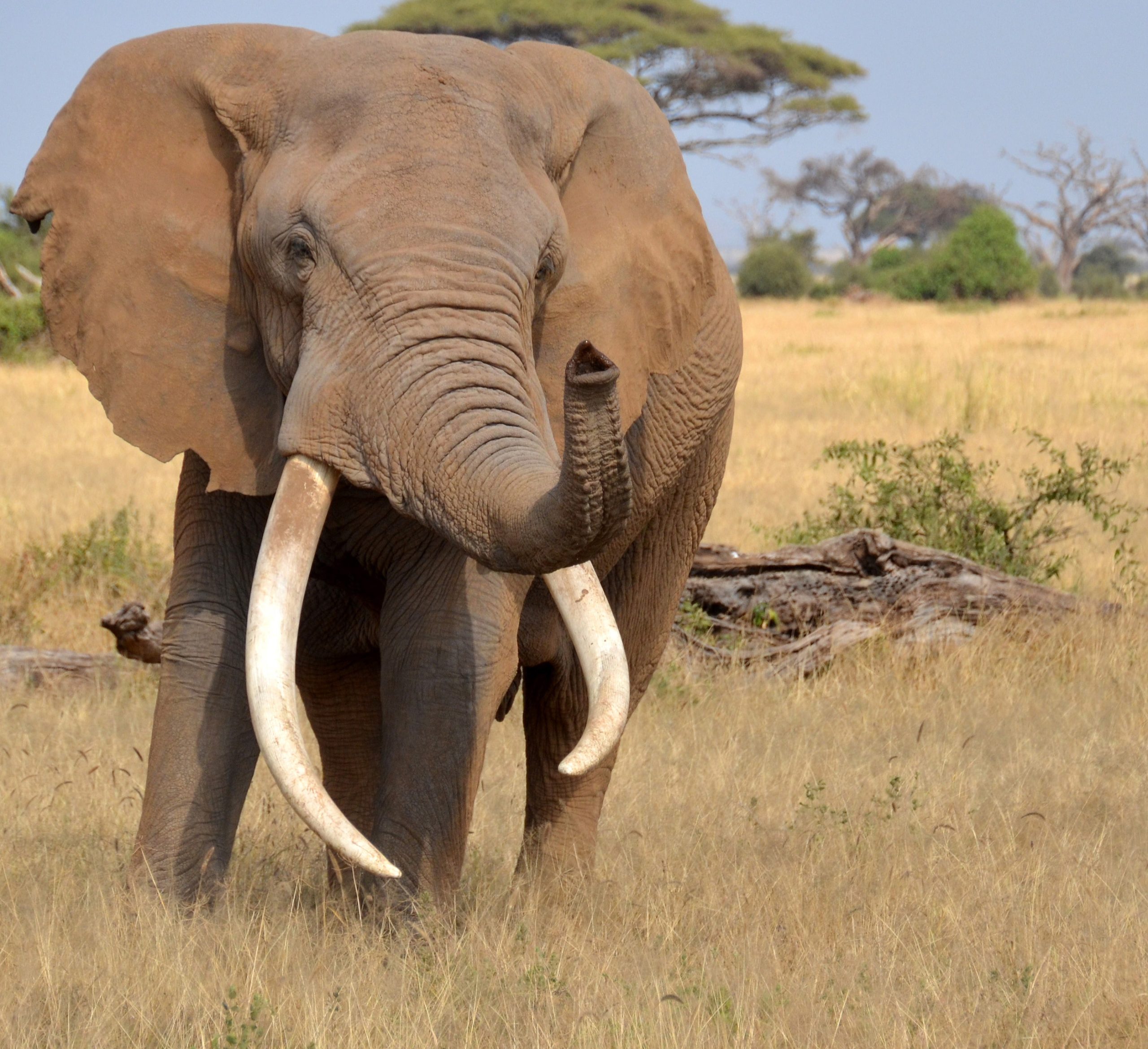
A practical seven-day itinerary visits three main areas: Day 1 fly into Nairobi and drive or fly to the Masai Mara (or overnight in Nairobi if arriving late). Days 2–4 three full days in the Mara — the minimum needed to have a reasonable chance of witnessing predator activity, the river crossings (July–October) or the other resident wildlife that makes the Mara the most diverse of Kenya’s savannah parks. Day 5 fly or drive to Amboseli, an easy 4-hour drive from Nairobi or a 45-minute flight from the Mara. Days 5–6 two days in Amboseli — the best Kenya park for elephant viewing and the only park with Kilimanjaro as a backdrop. Day 7 morning game drive, fly or drive back to Nairobi, depart.
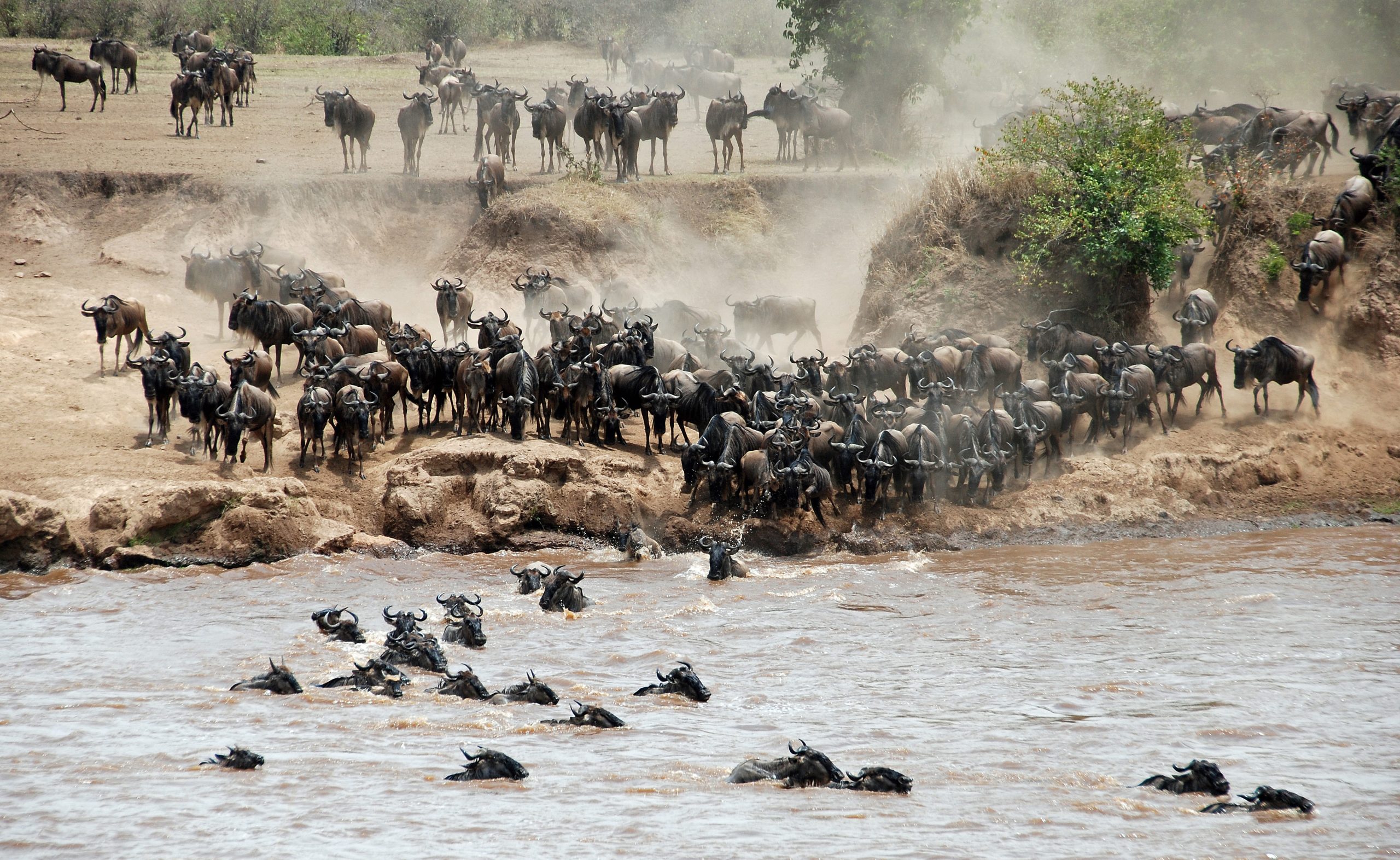
Africa Calling Safaris booking data (2019–2024): Seven-day Kenya itineraries represent 38% of bookings. Fourteen-day itineraries represent 29%. Among travellers who return within five years for a second Kenya safari, 72% extend to 10 days or longer on the return visit, most commonly adding Samburu and Laikipia to their original Mara-Amboseli experience.
The Fourteen-Day Kenya Safari
Fourteen days allows you to include Samburu National Reserve (3 nights), Laikipia or Ol Pejeta (2 nights), the Masai Mara (4 nights) and Amboseli (2 nights), with travel days built in. This is the sequence we recommend for maximum ecological diversity: Samburu in the north is dry, thorn-bush savannah with northern Kenya specialties — reticulated giraffe, Grevy’s zebra, Somali ostrich, Beisa oryx, gerenuk. The landscape and the animals are completely different from the Mara’s open plains. Moving from north to south across these two worlds in a single trip gives you a rounded understanding of Kenya that a single-park visit cannot.
“The difference between seven and fourteen days is not just twice as much safari. It is the difference between a highlights reel and a chapter of the story. In seven days, you are moving continuously. In fourteen days, you have the time to sit at a waterhole for two hours, to return to the same crossing point on the Mara River three mornings in a row, to feel the rhythm of a place. That is when Kenya becomes genuinely transformative.”
Nikos Pocock — Managing Director, Africa Calling Safaris
What Fourteen Days Adds: The North
The addition of Samburu for a first-time visitor is, in our experience, the single biggest upgrade to a Kenya safari. The Samburu ecosystem — covering Samburu, Buffalo Springs and Shaba National Reserves — sits at lower altitude and higher temperature than the Mara. The Ewaso Ng’iro River is the central feature: a permanent water source in a semi-arid landscape that concentrates extraordinary animal density along its banks. Crocodile, leopard, elephant and lion are routinely seen. The endemic species listed above are found nowhere else in Kenya outside this northern corridor. Night drives are permitted in Samburu, adding a dimension entirely absent from the national reserves in the south.
Frequently Asked Questions
Is it worth adding Tanzania to a Kenya itinerary?
Adding the Serengeti and Ngorongoro adds 4–5 days minimum and significant logistical complexity. For a first visit it is possible but demanding. Many repeat visitors prefer to see each country deeply rather than superficially, returning to Tanzania on a dedicated trip.
How much driving is involved in a Kenya safari?
Between major parks, flying reduces travel time significantly. Nairobi to Masai Mara is 6 hours driving or 45 minutes flying. Mara to Samburu is 8–9 hours driving or 60 minutes flying. For any itinerary over 7 days, we recommend flying between parks to preserve game-drive time.
What is the best month to visit Kenya?
July–October for the wildebeest migration river crossings and the dry season in the north. January–February for calving season in the Mara ecosystem and excellent big-cat activity. Both December–January and June–July avoid the long rains (March–May) and the short rains (November).
Can 7 days be done without flying between parks?
Yes, with careful routing. Nairobi to Amboseli to Mara by road is feasible if timed well. But driving between parks uses time that would otherwise be spent on game drives. We recommend flying even for the shortest itineraries if the budget allows.
Visited Africa Calling Safaris? We would love to hear your story.
Share Your ExperienceMore from Safari News
All stories-
Travel Tips
The Samburu Special Five: Species Found Only in Northern Kenya
The “Samburu Special Five” is not a marketing invention — it is a genuine ecological phenomenon. Five large mammal species found in Kenya’s northern semi-arid savannahs do not occur in the southern…
-
Travel Tips
The Maasai’s Relationship with Lions: Conservation Through Coexistence
For centuries, Maasai lion-killing was a rite of passage. Today, community conservancies are rewriting that relationship.
-
Travel Tips
How to Read a Safari Pricing Brochure: What Is Included and What Is Not
Safari pricing is deliberately complex. Operators use varied terminology, bundle items differently, and present costs in ways that make direct comparison difficult. Understanding how to read a safari quote — what is…