Maasai Mara’s Big Cats: Lions, Leopards and Cheetahs in the Same Reserve
Few places on Earth offer the reliable possibility of seeing all three of Africa’s large spotted cats in a single day. The Maasai Mara ecosystem—the Kenyan section of the Serengeti-Mara landscape—supports one of the continent’s highest densities of lion, leopard and cheetah simultaneously. Understanding each species’ habitat preferences and daily rhythms maximises the chances of encountering all three.
Lion: The Open-Grassland Dominant
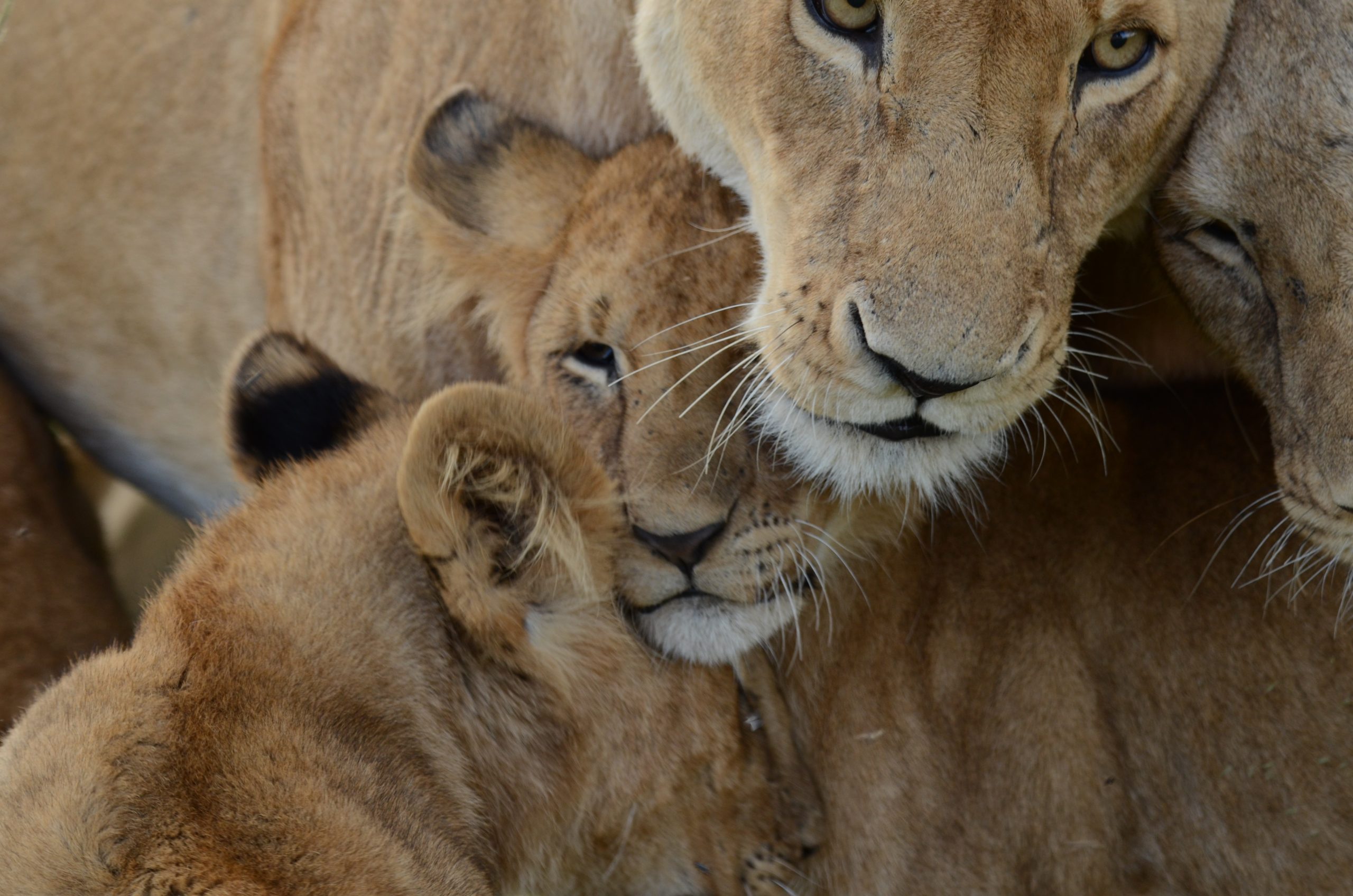
The Mara holds an estimated 850–900 lions in the wider ecosystem. Pride territories are large (20–400 km²) and well-known to experienced guides. Lions are crepuscular—most active at dawn and dusk—and spend 18–20 hours per day resting. The most reliable sightings are at dawn: find where a pride rested overnight and you will typically observe them for 1–2 hours before they settle into shade.
The Mara Triangle, managed by the Mara Conservancy, has particularly stable and well-habituated prides. Ask your guide about the Marsh Pride—one of the most filmed and studied lion groups in the world.
Leopard: The Woodland Specialist
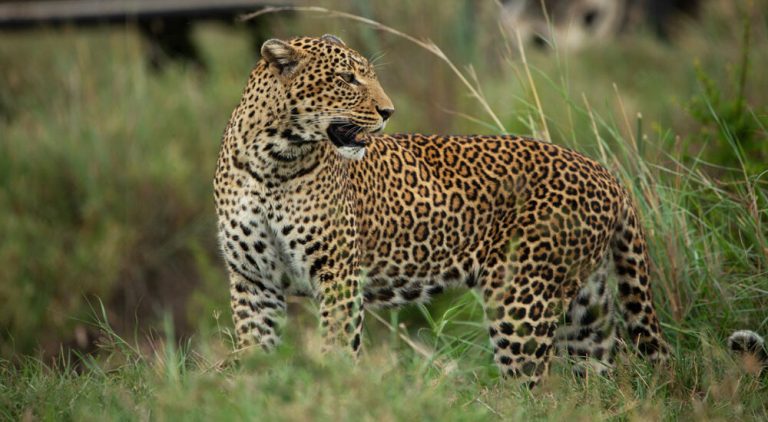
Leopards in the Mara are most often found along lugga (seasonal stream) lines and in riparian woodland where fig trees provide cover and prey ambush sites. They are largely nocturnal, though individuals habituated to vehicles are regularly seen on daytime kills cached in trees.
Cheetah: The Open-Plain Hunter
Cheetahs require open ground and prey visibility, making the short-grass plains of the eastern Mara and the Mara Triangle their preferred habitat. The Mara holds several famous cheetah coalitions—groups of male siblings that hunt cooperatively—and a number of females with cubs.
Cheetah are diurnal hunters, most active in mid-morning and late afternoon when temperatures permit high-speed chases. They are under pressure from lions and hyenas who steal kills, so females with cubs move frequently and keep cubs hidden in tall grass or kopjes.
“On a week-long Mara safari we expect clients to see lion every day, leopard two to three times, and cheetah four to five times. It is genuinely the best place in the world for big cat viewing.”
Nikos Pocock — Managing Director, Africa Calling Safaris
Avoiding Overcrowding at Sightings
The Mara’s fame creates vehicle congestion at popular sightings during peak season (July–September). Private conservancies bordering the reserve—including Naboisho, Olare Motorogi and Lemek—limit vehicle numbers and provide the same wildlife with a fraction of the vehicles. These conservancies command a premium but deliver a qualitatively different experience.
Broadly: lions throughout; leopard along river luggas and woodland margins; cheetah on open grass plains. The Mara Triangle is excellent for all three.
Yes, freely. A lion pride may have its territory spanning both the reserve and an adjacent conservancy.
Visited Africa Calling Safaris? We would love to hear your story.
Share Your ExperienceMore from Safari News
All stories-
Events & Conservation
Responsible Wildlife Encounters: What Ethical Safari Looks Like in Practice
The term “ethical safari” is used widely in marketing but rarely defined precisely. As demand for authentic wildlife experiences grows, so does the risk of operations that harm the very animals they…
-
Events & Conservation
The Pangolin: Africa’s Most Trafficked Mammal and the Fight to Save It
The pangolin is the world’s most trafficked wild mammal. All eight species—four African, four Asian—are protected under CITES Appendix I, meaning international commercial trade is illegal. Yet an estimated one million pangolins…
-
Travel Tips
Kenya vs Tanzania: Which Safari Destination Is Right for You?
Kenya and Tanzania share the Maasai Mara–Serengeti ecosystem—the largest savannah ecosystem on Earth—and together they define the safari experience for most travellers. Choosing between them, or combining them, comes down to timing,…