Oxpeckers and the Big Five: The Tick-Eating Birds of the African Bush
Few wildlife partnerships on the African savannah are as visible—or as debated—as the relationship between oxpeckers and their large mammal hosts. These distinctive birds cling to buffalo, rhino, giraffe and elephant, apparently cleaning parasites. The reality is more nuanced and more interesting than it first appears.
Two Species, Different Hosts
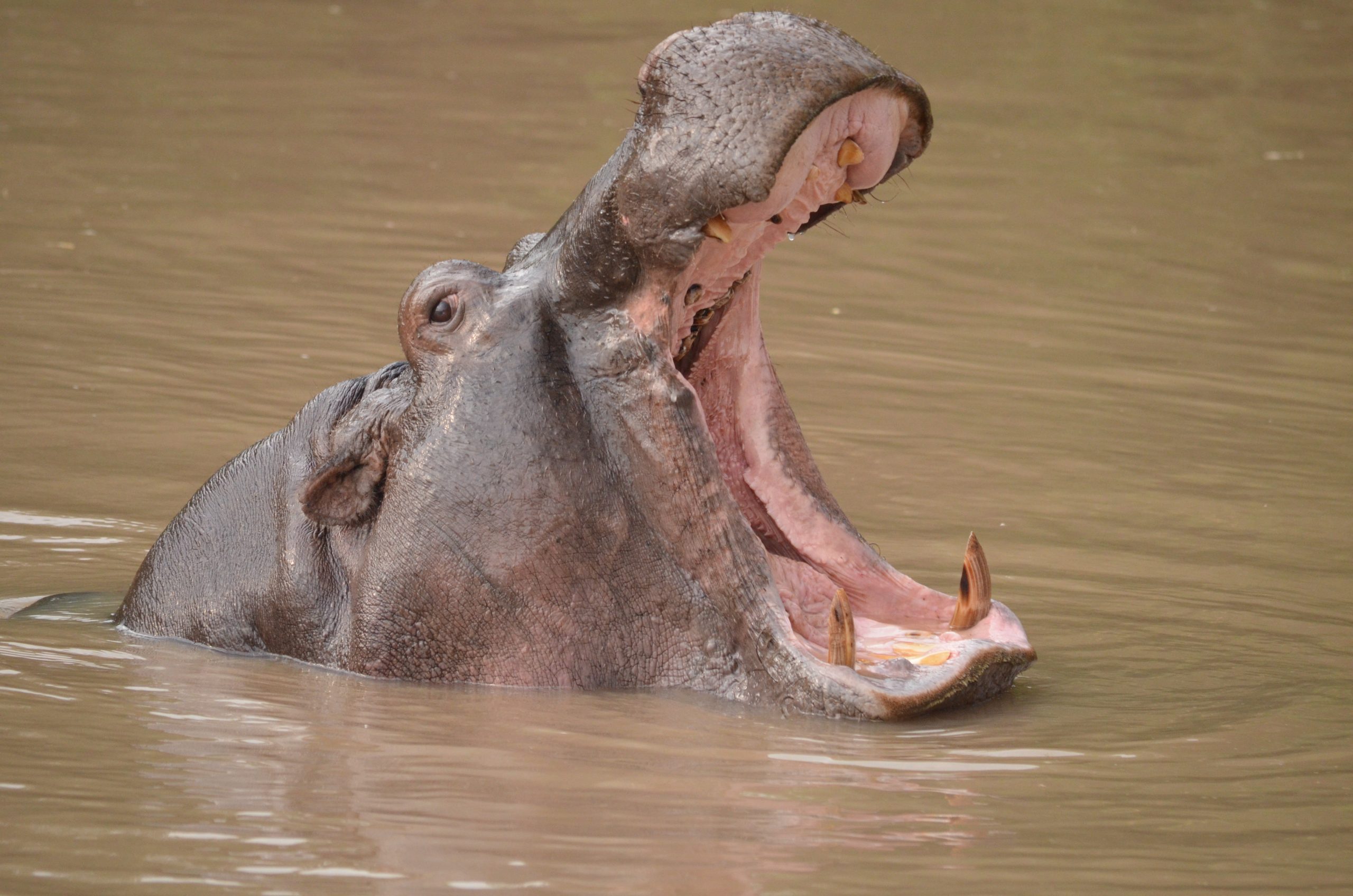
Kenya has two oxpecker species. The red-billed oxpecker (Buphagus erythrorynchus) is common throughout savannah habitats and associates most frequently with buffalo, zebra, giraffe and impala. The yellow-billed oxpecker (Buphagus africanus) is less common in East Africa, tending to favour larger hosts including rhino and hippo.
Both species have evolved highly specialised feet with very sharp, curved claws that grip hair and skin tightly, allowing them to cling upside-down on a host’s belly or face without effort.
What the Science Shows
For decades oxpeckers were considered textbook mutualists—a bird gets food, the mammal gets parasite control, both benefit. More recent field research complicates this picture significantly.
The problem: engorged adults have already completed their blood meal. Larvae and nymphs, which are the stages that transmit disease most efficiently, are less palatable to the birds. Additionally, oxpeckers actively keep wounds open—pecking at cuts to drink blood and eat dead tissue—which delays healing and may introduce infection.
One study in Zimbabwe found that impala with oxpeckers had wounds that healed significantly more slowly than those without. The net benefit appears to depend on host species, tick burden and season.
Alarm System
Whatever the parasite-removal calculus, oxpeckers reliably serve as an early-warning system. The birds are acutely alert to approaching predators and emit sharp, hissing alarm calls that cause the host to raise its head and scan. Rhino in particular, with poor eyesight, appear to benefit substantially from oxpecker vigilance.
“I have watched a white rhino completely ignore our vehicle until the oxpecker on its back called—then the rhino spun and faced us immediately. The bird sees further than the rhino.”
Nikos Pocock — Managing Director, Africa Calling Safaris
Where to See Them
Oxpeckers are common throughout the Maasai Mara, Amboseli, Tsavo and Laikipia. The best opportunities for close observation come when buffalo herds are resting in open ground—look for clusters of birds moving methodically along the animals’ flanks and faces.
Generally yes, though elephants sometimes shake them off when they peck at sensitive skin around the eyes and ears.
Indirectly yes—they alert rhino to approaching humans and predators, which is valuable given rhino’s poor eyesight. Their net tick-removal benefit is debated.
Visited Africa Calling Safaris? We would love to hear your story.
Share Your ExperienceMore from Safari News
All stories-
Events & Conservation
Responsible Wildlife Encounters: What Ethical Safari Looks Like in Practice
The term “ethical safari” is used widely in marketing but rarely defined precisely. As demand for authentic wildlife experiences grows, so does the risk of operations that harm the very animals they…
-
Events & Conservation
The Pangolin: Africa’s Most Trafficked Mammal and the Fight to Save It
The pangolin is the world’s most trafficked wild mammal. All eight species—four African, four Asian—are protected under CITES Appendix I, meaning international commercial trade is illegal. Yet an estimated one million pangolins…
-
Travel Tips
Kenya vs Tanzania: Which Safari Destination Is Right for You?
Kenya and Tanzania share the Maasai Mara–Serengeti ecosystem—the largest savannah ecosystem on Earth—and together they define the safari experience for most travellers. Choosing between them, or combining them, comes down to timing,…