Sun Protection on Safari: What the Equatorial UV Does to Your Skin
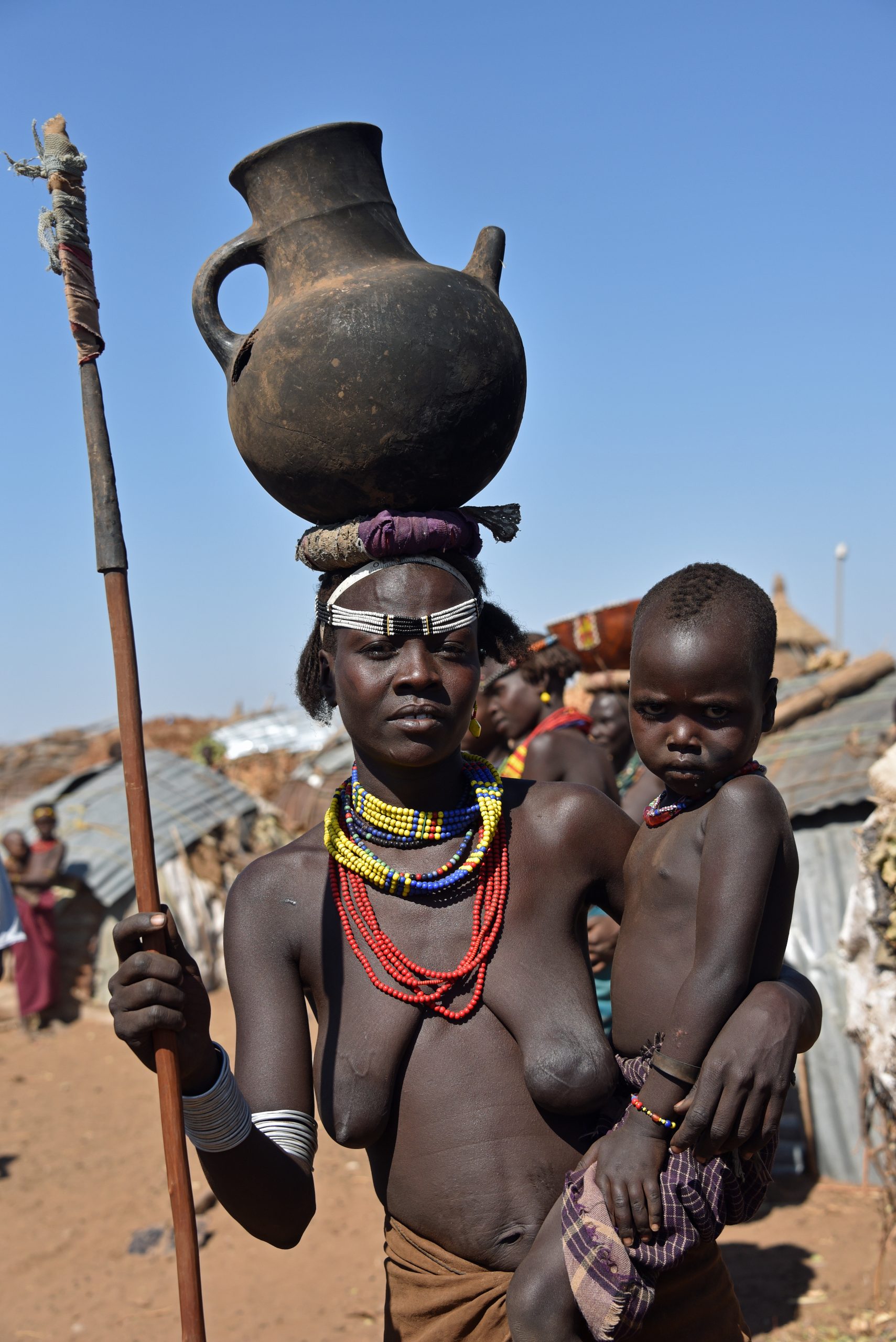
The equatorial sun at East African altitudes is significantly more intense than most visitors expect. Amboseli sits at 1,200 m, the Masai Mara at 1,500 m, and many northern Kenya destinations at higher elevations still. UV radiation at these altitudes causes sunburn faster than at sea level, and open safari vehicles offer no shade during peak hours.
Understanding UV at Altitude
For every 1,000 m gain in elevation, UV intensity increases by approximately 10%. At 1,500 m, the UV index in East Africa regularly exceeds 11 (“extreme” on the WHO scale) during midday hours. This occurs year-round due to equatorial sun angles, not seasonally as in temperate climates.
Practical Sun Protection Protocol
Apply SPF 30+ broad-spectrum sunscreen 30 minutes before the first game drive. Reapply every two hours, and immediately after sweating heavily. Wear a wide-brim hat — a baseball cap leaves the back of the neck and ears exposed. UV-rated sunglasses protect against both direct sun and reflected glare from dry lake beds and water surfaces.
Medically reviewed for accuracy in travel health guidance.
Nikos Pocock, Head Guide & Co-founder, Africa Calling Safaris
Does cloud cover reduce UV risk in Kenya?
Overcast skies reduce UV by only 20–30%. At equatorial altitudes, UV Index on a cloudy day can still exceed 8, which is classified as “very high.”
Is SPF 30 sufficient, or should I use SPF 50?
SPF 50 is recommended for extended outdoor exposure at altitude. The difference in protection (97% vs 98% UV-B blockage) is modest, but SPF 50 provides more margin when reapplication is impractical.
Can I use sunscreen and insect repellent together?
Yes. Apply sunscreen first, allow it to absorb, then apply repellent over the top. Combination products exist but tend to be less effective as standalone formulations for each purpose.
Are there sun protection products available at Kenyan lodges?
Many lodges stock basic sunscreen, but bringing your preferred brand in adequate quantity is strongly advisable, especially for trips to remote camps.
Visited Africa Calling Safaris? We would love to hear your story.
Share Your ExperienceMore from Safari News
All stories-
Health
Vaccinations for Kenya Safari Travel: Requirements and Recommendations
Medically reviewed by Prof. Giorgi Pkhakadze, MD, MPH, PhD — Professor of Public Health, David Tvildiani Medical University. Vaccination requirements and recommendations for Kenya safari travel are among the most common health…
-
Health
Malaria Prevention for Kenya Safari Travellers: The Full Guide
Medically reviewed by Prof. Giorgi Pkhakadze, MD, MPH, PhD — Professor of Public Health, David Tvildiani Medical University. Malaria remains the most significant preventable health risk for travellers to sub-Saharan Africa. Kenya…
-
Health
Safari Medical Kit: 12 Items Every Traveller Should Pack
Bush camps are remote. The nearest pharmacy may be three hours away. A compact personal medical kit handles the everyday issues that can derail a safari if you are unprepared.