Tsavo’s Man-Eating Lions: The True Story Behind the Legend
The 1898 Killings
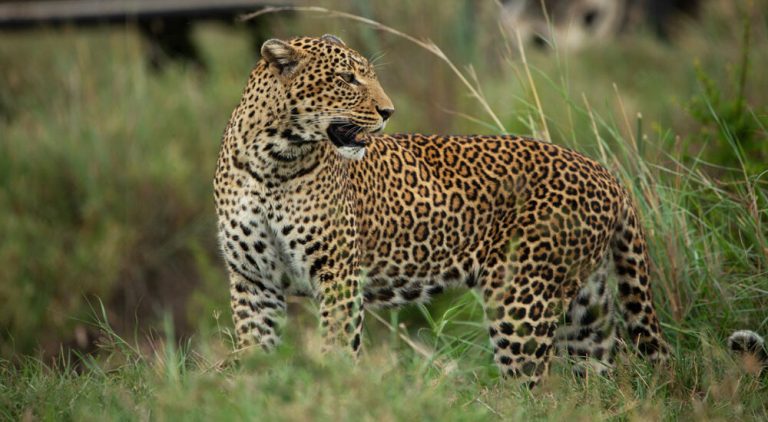
During the construction of the Uganda Railway bridge over the Tsavo River, two male lions killed and ate an unknown number of Indian labourers over a nine-month period. Lt. Col. John Henry Patterson, the bridge engineer, eventually shot both lions in December 1898. Patterson’s account, The Man-Eaters of Tsavo (1907), became a classic of African travel writing and the basis of two Hollywood films.
The original estimate of 135 victims was based on Patterson’s account and was widely cited for a century. Isotopic analysis of the skulls at Chicago’s Field Museum (2009) suggested a more conservative estimate of 35 humans for one lion and 11 for the other — though methodological debates continue. The Field Museum still holds both preserved skulls and skins.
Why Did They Hunt Humans?
Modern lion ecology offers several explanations that were unavailable to Patterson. Both lions showed severe dental disease — abscesses and broken teeth that would have made hunting large, healthy prey extremely difficult. Humans are slow, relatively defenceless and abundant on a construction site. Additionally, the railway construction disrupted traditional caravan routes where human remains from the slave trade era had conditioned local predators to associate humans with food.
The Tsavo Lion Paradox: No Manes
Tsavo male lions are notable for being largely maneless or carrying only sparse manes — a trait so consistent it has been studied for decades. Proposed explanations include Tsavo’s higher ambient temperatures, lower rainfall reducing protective value, and a genetic drift in the relatively isolated Tsavo population. Tsavo males are generally larger-bodied than Mara males, suggesting the energy normally directed to mane growth is redirected to body mass.
“Guests always ask me about the man-eaters when we enter Tsavo. The story is more complex than the film shows. Two hungry, injured lions in a landscape depleted by rinderpest, surrounded by thousands of men working through the night. It was a crisis, not a mystery.”
Nikos Pocock — Managing Director, Africa Calling Safaris
Tsavo Today
Tsavo East and West together form Kenya’s largest protected area (21,812 km²). The park is less visited than the Mara but supports enormous elephant populations, Tsavo’s signature red-dusted landscape, and a successful black rhino sanctuary at Ngulia. The man-eater episode is largely historical — modern Tsavo lions show normal prey preferences.
Frequently Asked Questions
Modern Tsavo lions pose no unusual threat. Human-wildlife conflict exists around the park’s periphery where lions occasionally prey on livestock, but attacks on tourists in vehicles are effectively unknown.
The Field Museum of Natural History in Chicago holds both skulls and skins. They are on permanent display in the Africa galleries.
Tsavo offers different, not lesser, safari value. Elephants in the thousands, dramatic red-earth landscapes, fewer tourists and a raw wilderness feel distinguish it from the Mara. Big cat density is lower, but the overall wildlife experience is outstanding.
June to October (dry season) concentrates wildlife around water sources and offers the best game-viewing conditions. The Yatta Plateau section of Tsavo East is particularly productive in the dry months.
Visited Africa Calling Safaris? We would love to hear your story.
Share Your ExperienceMore from Safari News
All stories-
Events & Conservation
Responsible Wildlife Encounters: What Ethical Safari Looks Like in Practice
The term “ethical safari” is used widely in marketing but rarely defined precisely. As demand for authentic wildlife experiences grows, so does the risk of operations that harm the very animals they…
-
Events & Conservation
The Pangolin: Africa’s Most Trafficked Mammal and the Fight to Save It
The pangolin is the world’s most trafficked wild mammal. All eight species—four African, four Asian—are protected under CITES Appendix I, meaning international commercial trade is illegal. Yet an estimated one million pangolins…
-
Travel Tips
Kenya vs Tanzania: Which Safari Destination Is Right for You?
Kenya and Tanzania share the Maasai Mara–Serengeti ecosystem—the largest savannah ecosystem on Earth—and together they define the safari experience for most travellers. Choosing between them, or combining them, comes down to timing,…