How Community Conservancies Fund Schools: Wildlife Conservation and Education in Northern Kenya
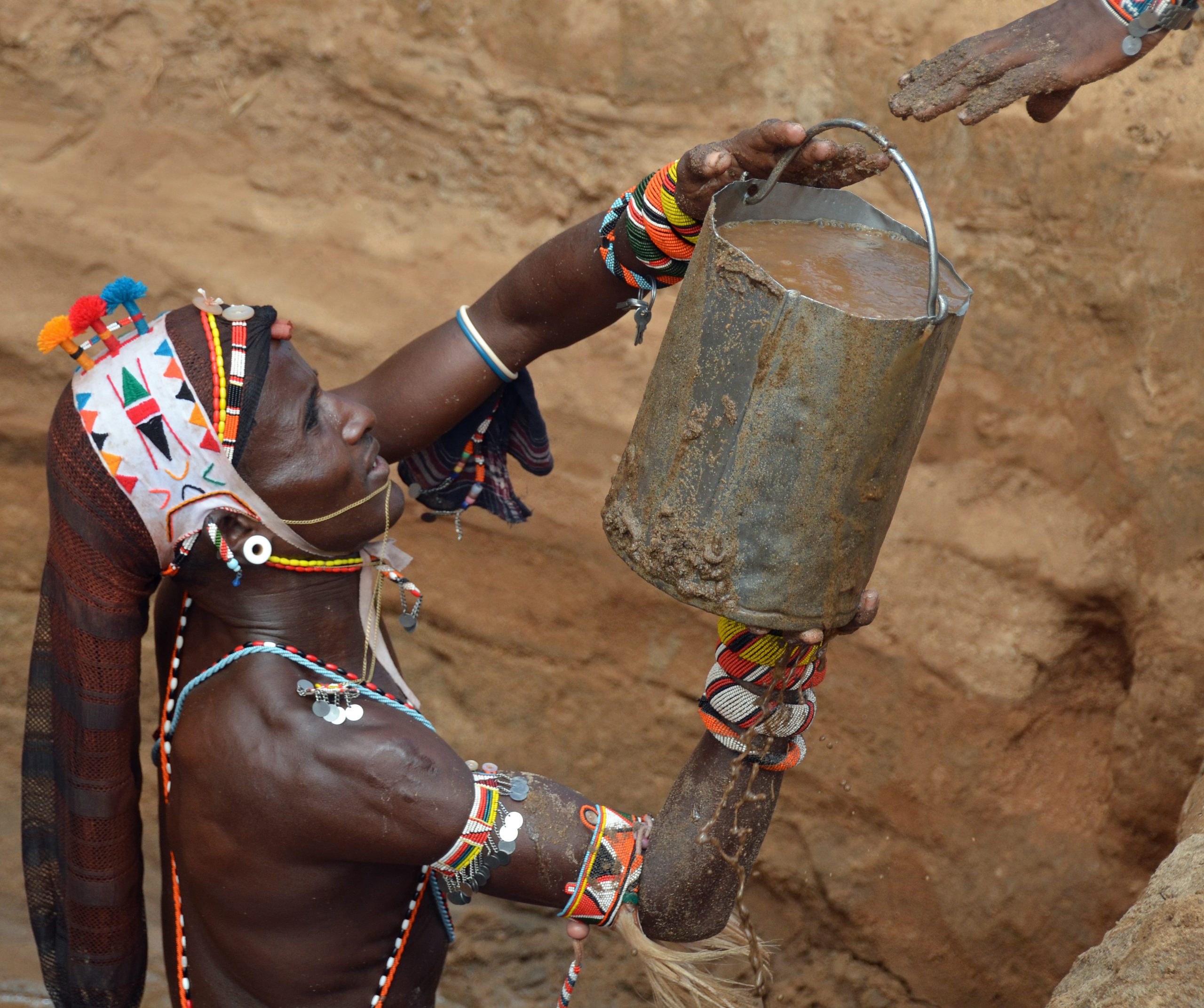
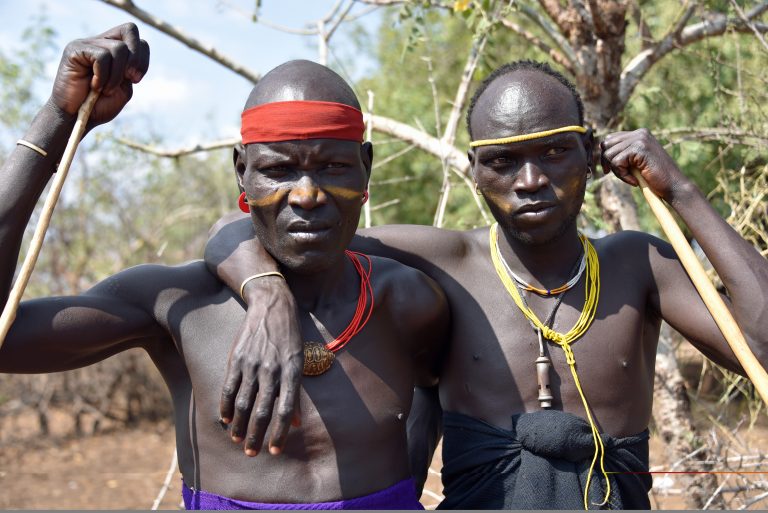
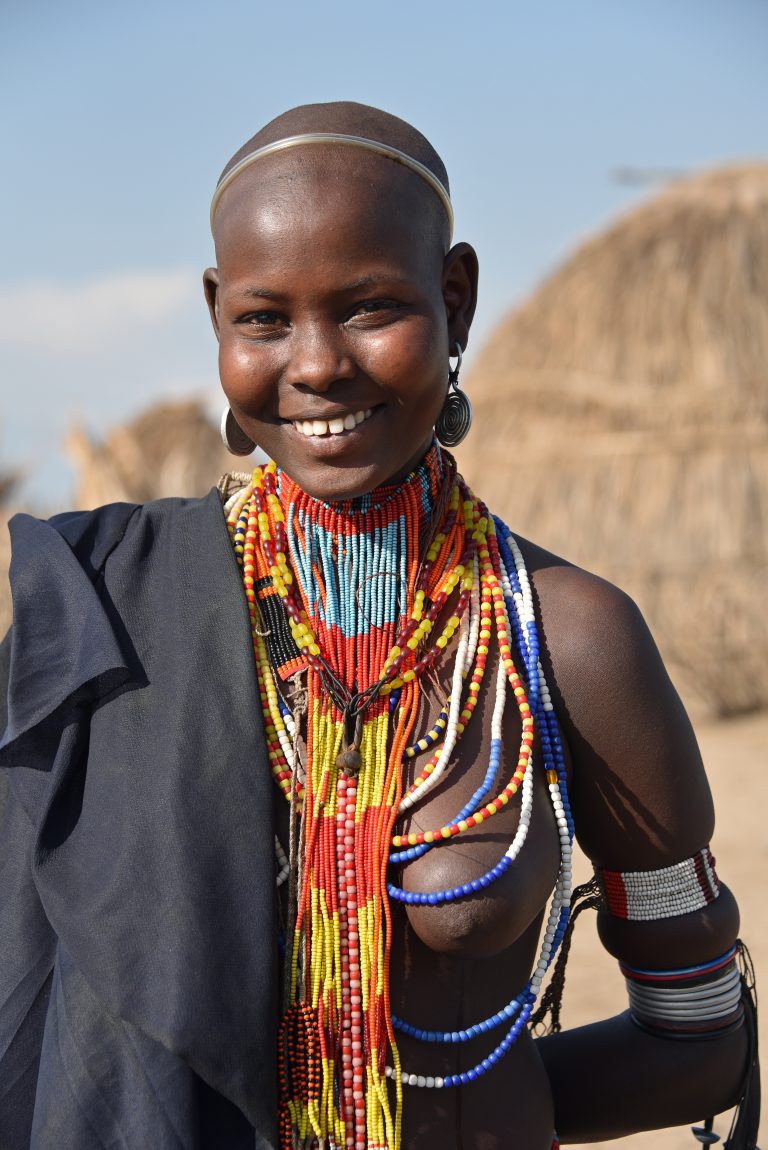
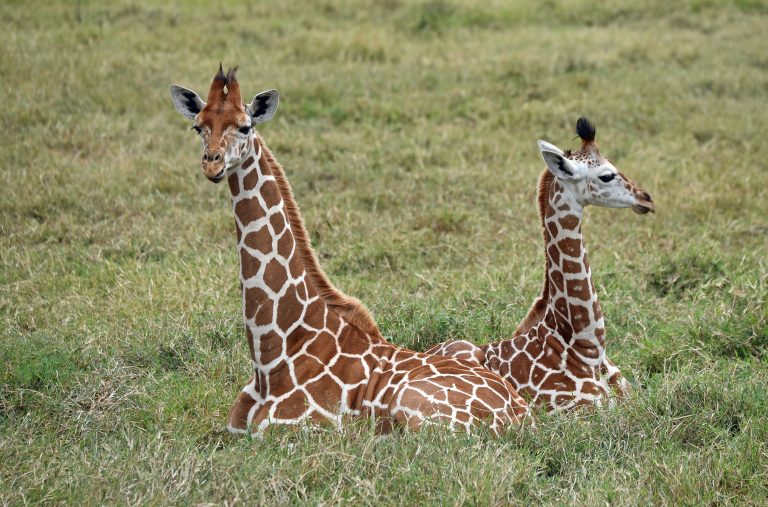
Kenya’s community wildlife conservancies have emerged over the past thirty years as one of the most effective conservation models on the African continent. By transferring the economic benefits of wildlife tourism directly to the communities that live alongside wildlife, conservancies have created an incentive for rural communities to protect animals that would otherwise compete with livestock. The results in northern Kenya are now globally studied and replicated.
The Model: Land Lease and Revenue Sharing
The typical Northern Kenyan community conservancy operates on a land-lease model. Individual community members who own grazing rights over a parcel of land agree, through a community vote, to set aside a portion of that land as a wildlife conservancy. They receive a monthly lease payment funded by conservancy tourism revenues. The conservancy employs community members as rangers, guides, hospitality staff and management. The lodge or camp within the conservancy pays a bed-night fee that funds both the lease payments and community development projects.
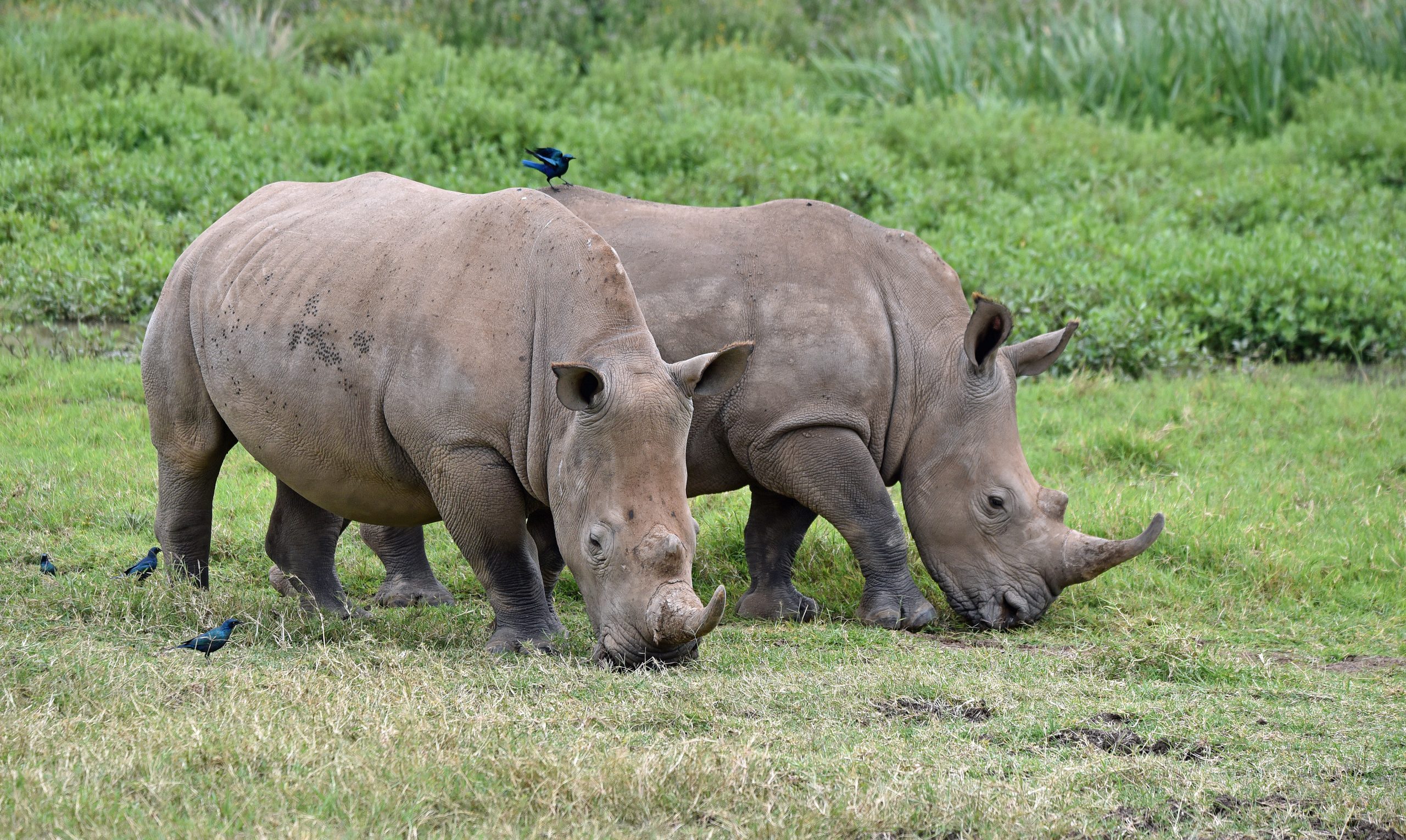
Northern Rangelands Trust data (2023): The 43 community conservancies affiliated with the Northern Rangelands Trust in northern Kenya collectively protect 6.7 million acres, employ more than 2,400 community rangers, and distribute over KES 350 million annually in lease payments and wages to rural communities. Wildlife populations in NRT conservancies have increased 40% since 2004.
Education: Conservancy Revenue Funding Schools
Education investment is among the most significant development outcomes of successful conservancies. The Il Ngwesi Group Ranch conservancy in Laikipia, one of the first community conservancies in Kenya, has funded secondary school bursaries for hundreds of community members since 1996. The Lewa Wildlife Conservancy, adjacent to Il Ngwesi, has built and supports 19 schools within its community area. The Grevy’s Zebra Trust, operating across community conservancies in Samburu and Isiolo, runs an education programme specifically tied to the conservation of the endangered Grevy’s zebra.
“The most moving conversation I have had on safari was with a young ranger in Ol Pejeta whose school fees had been paid by the conservancy. He had grown up with elephants raiding his family’s crops. He told me he had a completely different relationship with the elephants now — they had paid for his education. That is what the conservancy model does at its best.”
Nikos Pocock — Managing Director, Africa Calling Safaris
Challenges and Limitations
The conservancy model is not without tensions. Human-wildlife conflict — livestock predation by lions, crop raiding by elephants — remains a serious source of resentment in communities adjacent to conservancies, particularly in drought years when wildlife disperses more widely. Drought also reduces tourism revenues, placing conservancy budgets under stress precisely when community relationships are most fragile. Governance challenges — ensuring that conservancy revenues reach individual community members rather than being captured by elites — are persistent in some areas.
Frequently Asked Questions
Can tourists visit community conservancies?
Yes. Most community conservancies in northern Kenya have safari camps or lodges operated in partnership with the community. Staying in a community conservancy camp means your bed-night fee goes directly into the conservancy revenue pool that funds both wildlife protection and community development.
How is the conservancy model different from a national park?
National parks are state-owned and managed by the Kenya Wildlife Service. Land use rights and revenues flow to the national government. Community conservancies are community-owned, with revenues flowing to local families. In national parks, the communities adjacent to the park boundary often receive no benefit from wildlife and consequently have no incentive to prevent poaching or human-wildlife conflict.
What is the Northern Rangelands Trust?
The Northern Rangelands Trust (NRT) is the umbrella organisation supporting community conservancy development in northern and coastal Kenya. It provides technical assistance, funding access, marketing support and governance training to its member conservancies. It is widely regarded as the most successful conservancy support organisation in Africa.
Are conservancies effective at reducing poaching?
The evidence strongly suggests yes. NRT conservancies have seen dramatic reductions in poaching incidents since the model was established. Community rangers who are paid employees have strong incentives to report and prevent poaching. Local intelligence networks, funded by conservancy revenues, are often more effective than government enforcement in remote areas.
Visited Africa Calling Safaris? We would love to hear your story.
Share Your ExperienceMore from Safari News
All stories-
Events & Conservation
Wildebeest Calving Season: Africa’s Greatest Birth Event
The wildebeest calving season is one of the Serengeti’s most extraordinary wildlife events — and one of the least known outside serious safari circles. Occurring between late January and March on the…
-
Events & Conservation
Reforestation Around the Masai Mara: How Tree Planting Saves the Migration
The land surrounding the Masai Mara has lost significant tree cover over the past four decades. Agricultural expansion, charcoal production, and population growth have degraded watershed forests that once regulated the Mara…
-
Events & Conservation
Climate Change and Wildlife in East Africa: What Is Already Changing
Climate change is already reshaping wildlife behaviour, migration patterns, and ecosystem dynamics across East Africa. Safari guides who have worked the same landscapes for twenty or thirty years describe changes that are…