Reforestation Around the Masai Mara: How Tree Planting Saves the Migration
The land surrounding the Masai Mara has lost significant tree cover over the past four decades. Agricultural expansion, charcoal production, and population growth have degraded watershed forests that once regulated the Mara River’s flow. Reforestation efforts — led by community groups, NGOs, and safari operators — are beginning to reverse that trend.
Why Forest Cover Matters for the Mara
The Mara River originates in the Mau Forest complex — Kenya’s largest indigenous montane forest, covering 400,000 hectares at its historical extent. The Mau regulates the Mara’s seasonal flow, buffering against the extreme low-water events that strand hippos and concentrate crocodiles during dry seasons. Deforestation in the Mau has been linked directly to lower river levels, increased bank erosion, and elevated silt loads that damage aquatic habitats downstream.
Community-Led Restoration
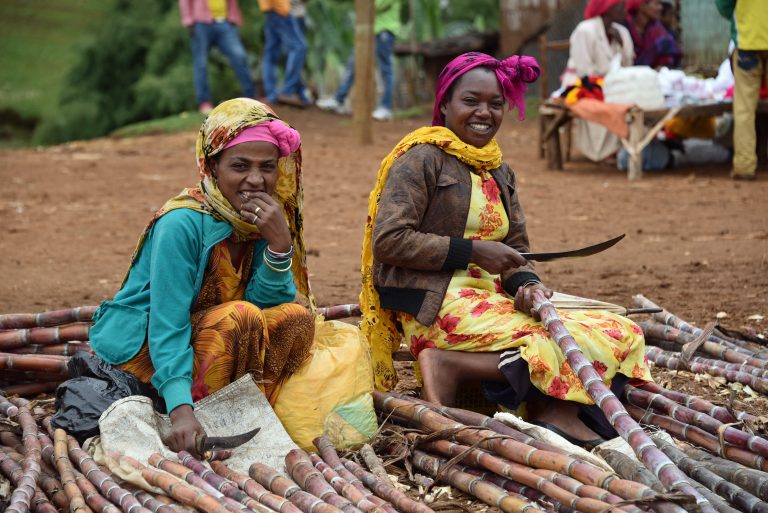
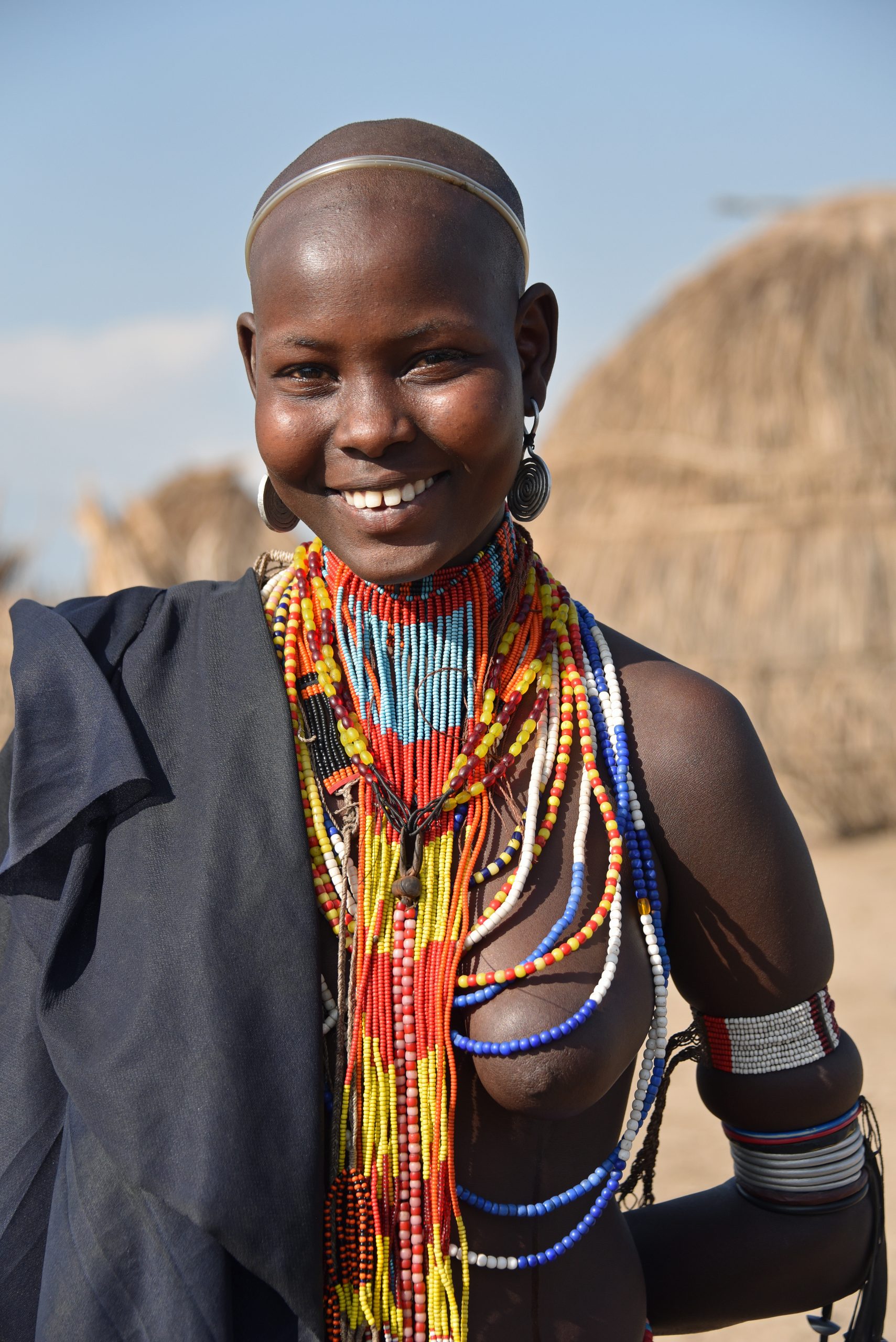
The most effective restoration programmes partner with Maasai and Kipsigis communities who live adjacent to the forest. Women’s groups run tree nurseries producing indigenous species — Olea europaea (wild olive), Podocarpus, Croton, and Juniperus — that are adapted to the altitude and climate of the Mau catchment. Seedlings are planted in agreed reforestation zones during the long rains, with community members paid as planting and monitoring labour.
Nikos Pocock, Head Guide & Co-founder, Africa Calling Safaris
Safari Tourism’s Role
Several Mara camps dedicate a portion of conservancy fees specifically to watershed restoration. Some offer tree-planting activities for guests — a way to make the connection between the forest, the river, and the wildlife visible and personal.
Can I visit the reforestation sites as part of a safari?
Some camps in the greater Mara ecosystem include Mau Forest visits or tree-planting activities in their community programme options. Ask operators directly about availability.
How long does it take for planted trees to benefit wildlife?
Watershed hydrology benefits from canopy restoration begin within 5–10 years. Full mature forest structure takes 50–100 years, but even early-stage reforestation significantly reduces erosion and improves river-level stability.
Which NGOs work on Mau Forest restoration?
The African Wildlife Foundation, IUCN, and Kenyan organisations including the Green Belt Movement and the Kenya Forestry Service all have active Mau restoration programmes.
Does the Kenyan government support reforestation?
Yes. The Mau Forest has been a stated government priority since a 2009 task force report. Enforcement of encroachment laws and resettlement of illegal settlers has been contentious but continues.
Visited Africa Calling Safaris? We would love to hear your story.
Share Your ExperienceMore from Safari News
All stories-
Events & Conservation
Climate Change and Wildlife in East Africa: What Is Already Changing
Climate change is already reshaping wildlife behaviour, migration patterns, and ecosystem dynamics across East Africa. Safari guides who have worked the same landscapes for twenty or thirty years describe changes that are…
-
Events & Conservation
Elephant Poaching and Recovery in Kenya: A Conservation History
The story of African elephant conservation is one of catastrophic decline, hard-won legal reform, and cautious recovery. Kenya sits at the centre of both the crisis and the comeback. Key Message: Kenya’s…
-
Events & Conservation
Black Rhino Conservation in Kenya: A Recovery Story Still Being Written
The black rhinoceros is one of Africa’s most critically endangered large mammals. Decades of illegal poaching for horn drove the species to the edge of extinction. Kenya’s conservation community has since led…