Laikipia Plateau: Kenya’s Most Important Private Conservation Landscape
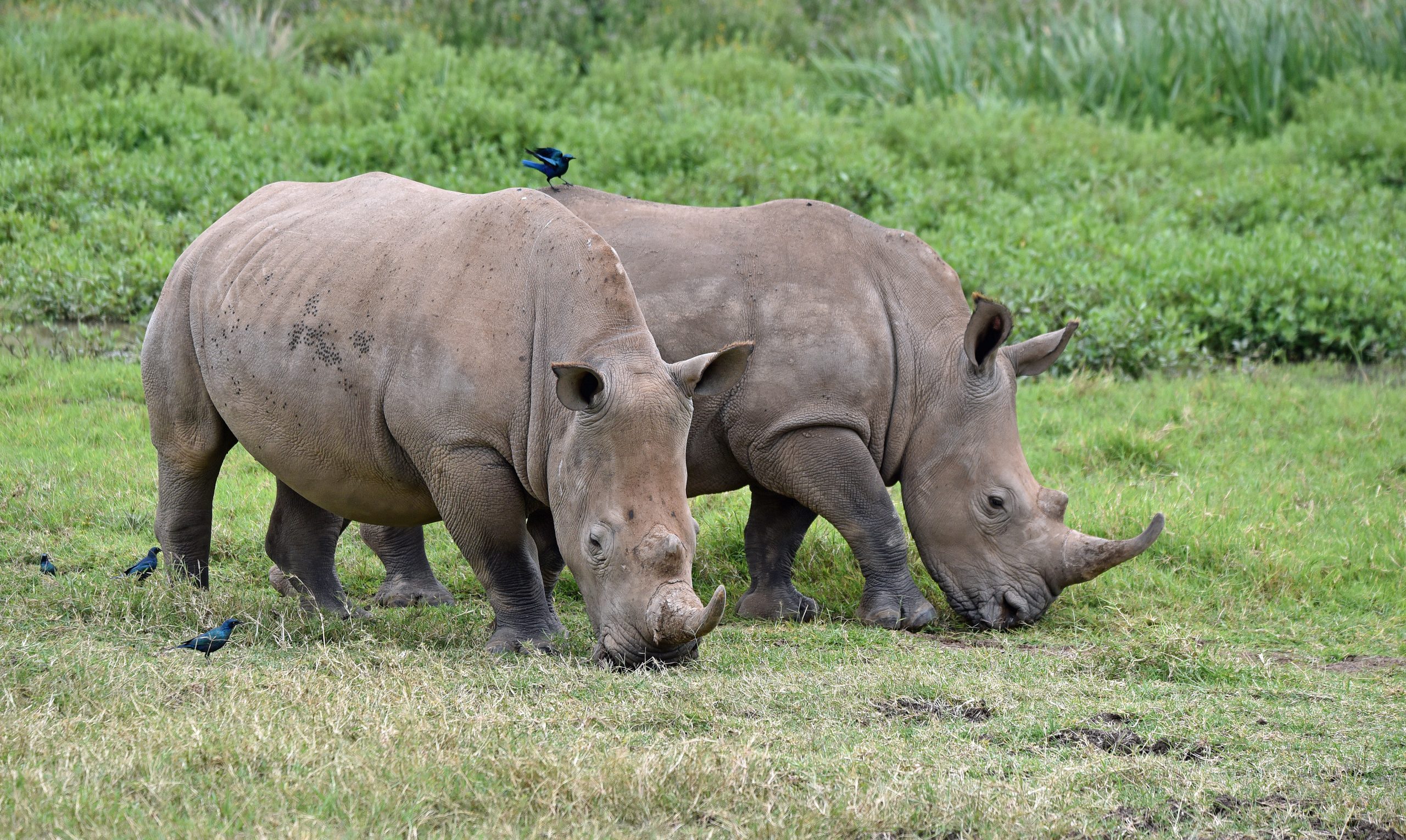
The Laikipia plateau in central Kenya is one of the most significant wildlife landscapes on the continent, and one of the least well-known to international visitors. Covering approximately 9,500 square kilometres of semi-arid highland at 1,500–2,500 metres above sea level, Laikipia supports the second-largest population of elephants in Kenya, the largest population of endangered Grevy’s zebra in the world, and one of the most viable black rhino populations outside South Africa.
The Private Ranch Model
Following independence in 1963, Kenya’s white settler farms in Laikipia were gradually transferred to Kenyan ownership, but the large-scale ranching structure remained. Ranch owners discovered through the 1980s and 1990s that wildlife tourism could generate comparable or superior income to cattle ranching at the same management intensity. Over time, most of the large ranches in Laikipia transitioned wholly or partly to wildlife-based land use, removing the cattle fences that prevented wildlife movement and establishing safari camps.
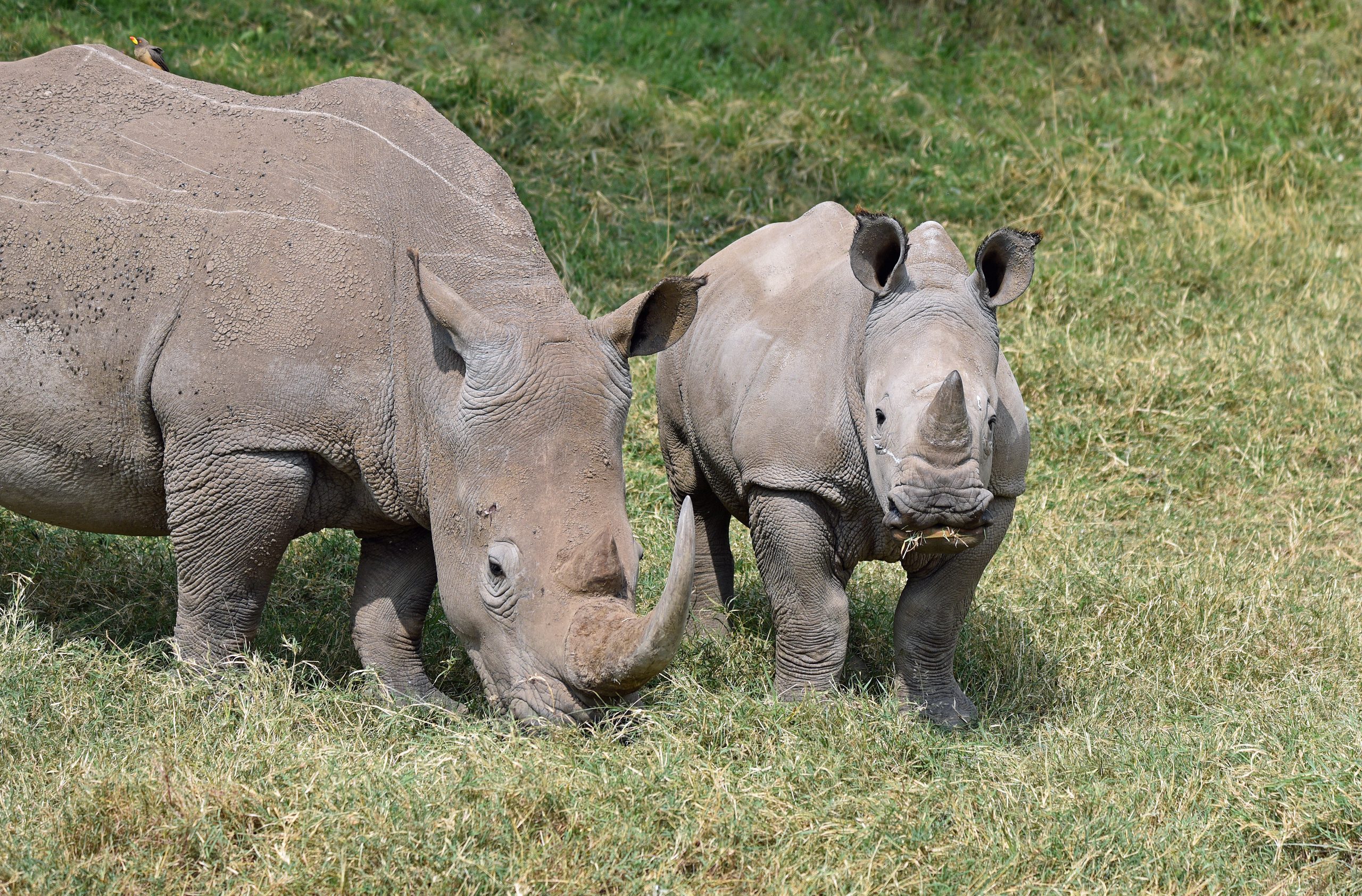
Laikipia Wildlife Forum (2023): The connected Laikipia landscape supports approximately 6,000 elephants, 150 black rhinos, 700 Grevy’s zebra, 50 wild dogs, and the only viable populations of several north Kenyan endemic species found anywhere in the world outside of the Samburu-Matthews Range corridor. This population would not survive without the connectivity between private and community lands.
Ol Pejeta: Africa’s Largest Black Rhino Sanctuary
Ol Pejeta Conservancy, covering 360 square kilometres in central Laikipia, is the most well-known component of the landscape. It holds the largest population of black rhinos in East Africa and is the only place in Africa where northern white rhinos still exist — two elderly females, Najin and Fatu, the last survivors of a functionally extinct subspecies. Ol Pejeta also shelters chimpanzees rescued from the illegal pet trade in a dedicated sanctuary, the only wild-landscape chimp sanctuary in Kenya.
“Laikipia is the Kenya that most visitors don’t know exists. It has none of the infrastructure or crowds of the Mara — it’s a landscape of private ranches and community lands where you can go two days without seeing another vehicle. The rhino densities, the wild dog sightings, the landscape itself — it is as rewarding a safari as anywhere in Africa.”
Nikos Pocock — Managing Director, Africa Calling Safaris
Grevy’s Zebra: A Species Pulled Back from the Brink
The Grevy’s zebra is the world’s largest wild equid and one of Kenya’s most endangered species. Its global population fell from approximately 15,000 in the 1970s to fewer than 1,800 by the early 2000s, due to habitat loss, competition with livestock for water and grazing, and historical hunting. Laikipia holds approximately 40% of the world’s remaining population. The Grevy’s Zebra Trust, operating across Laikipia and Samburu, has stabilised the population and achieved modest growth through community ranger networks and foal survival programmes.
Frequently Asked Questions
How do I get to Laikipia from Nairobi?
The drive from Nairobi to central Laikipia takes 3–4 hours on good tarmac roads via Nyahururu. Many conservancies offer light aircraft transfers from Wilson Airport in Nairobi to private airstrips. Flying time is approximately 45 minutes.
Can I see the northern white rhinos at Ol Pejeta?
Yes. Najin and Fatu, the last two northern white rhinos, are accessible to visitors at Ol Pejeta on a guided visit. Their location is monitored daily and a ranger can guide you to them. The encounter is sombre and extraordinary in equal measure.
Is Laikipia safe for visitors?
The conservancies and camps of Laikipia have maintained an excellent safety record. Some peripheral areas of the plateau experienced intercommunal conflict in 2017–2018; this has been resolved and the conservancy areas are fully operational. Current advisories should be checked before travel as with any destination.
What wildlife activity is unique to Laikipia compared to the Mara?
Wild dog sightings, Grevy’s zebra, reticulated giraffe, oryx, mountain bongo and some of Kenya’s best rhino viewing are substantially more likely in Laikipia than in the Mara. Walking safaris, night drives and horseback safaris are also more widely available in Laikipia than in the national reserves.
Visited Africa Calling Safaris? We would love to hear your story.
Share Your ExperienceMore from Safari News
All stories-
Events & Conservation
How Community Conservancies Fund Schools: Wildlife Conservation and Education in Northern Kenya
Kenya’s community wildlife conservancies have emerged over the past thirty years as one of the most effective conservation models on the African continent. By transferring the economic benefits of wildlife tourism directly…
-
Events & Conservation
Wildebeest Calving Season: Africa’s Greatest Birth Event
The wildebeest calving season is one of the Serengeti’s most extraordinary wildlife events — and one of the least known outside serious safari circles. Occurring between late January and March on the…
-
Events & Conservation
Reforestation Around the Masai Mara: How Tree Planting Saves the Migration
The land surrounding the Masai Mara has lost significant tree cover over the past four decades. Agricultural expansion, charcoal production, and population growth have degraded watershed forests that once regulated the Mara…