Maasai Community Conservancies: Land, Wildlife and Revenue Sharing
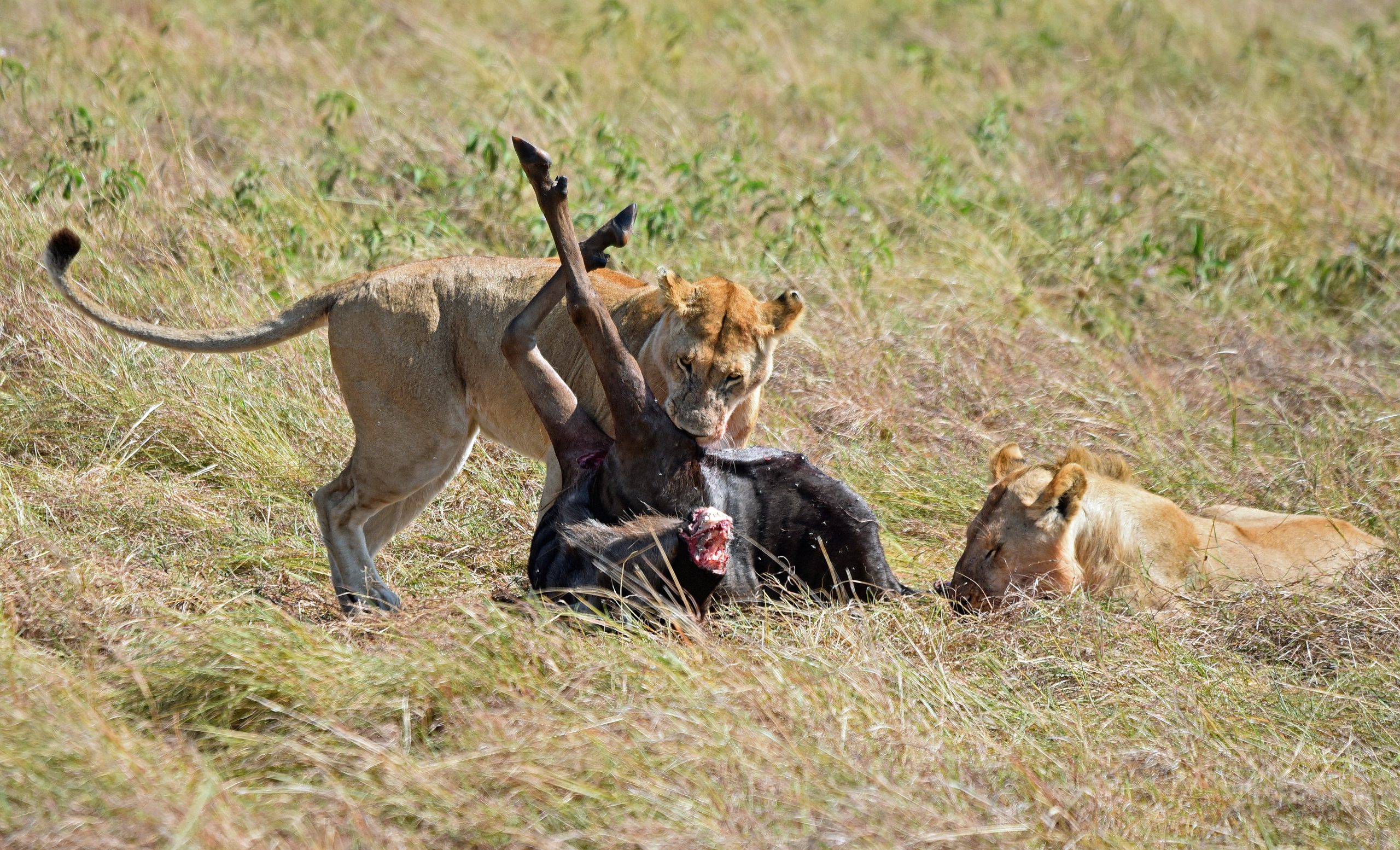
The Maasai people of Kenya’s southern Rift Valley and Mara ecosystem have lived alongside wildlife for centuries. Their semi-nomadic pastoralist culture, built on cattle-keeping across vast communal rangelands, created an incidental wildlife coexistence — the Maasai traditionally did not hunt, and wildlife on their land survived outside the national park boundaries as a result. Over the past three decades, Maasai communities in the Mara ecosystem have formalised this relationship through community conservancies that convert communal land use rights into structured wildlife tourism revenue.
The Mara Conservancy Model
The private conservancies surrounding the Masai Mara National Reserve cover approximately 500,000 acres of Maasai communal land. Each conservancy operates through a lease agreement: individual Maasai landowners lease their grazing rights to the conservancy trust, receiving a monthly payment funded by bed-night fees from the lodges and camps operating within the conservancy. The lease payments typically represent more income per acre than livestock keeping, with the crucial difference that wildlife does not die in drought years, does not require water or veterinary costs, and does not require labour to manage.
Mara Conservancy Ecosystem data (2023): The private conservancies surrounding the Masai Mara National Reserve distribute an estimated USD 12 million annually in lease payments to Maasai landowners. More than 12,000 Maasai families receive monthly payments. Conservancy areas have recorded 35% higher wildlife densities than comparable areas under cattle-only land use since the conservancy programme began in 2005.
Low-Impact Tourism in Conservancy Areas
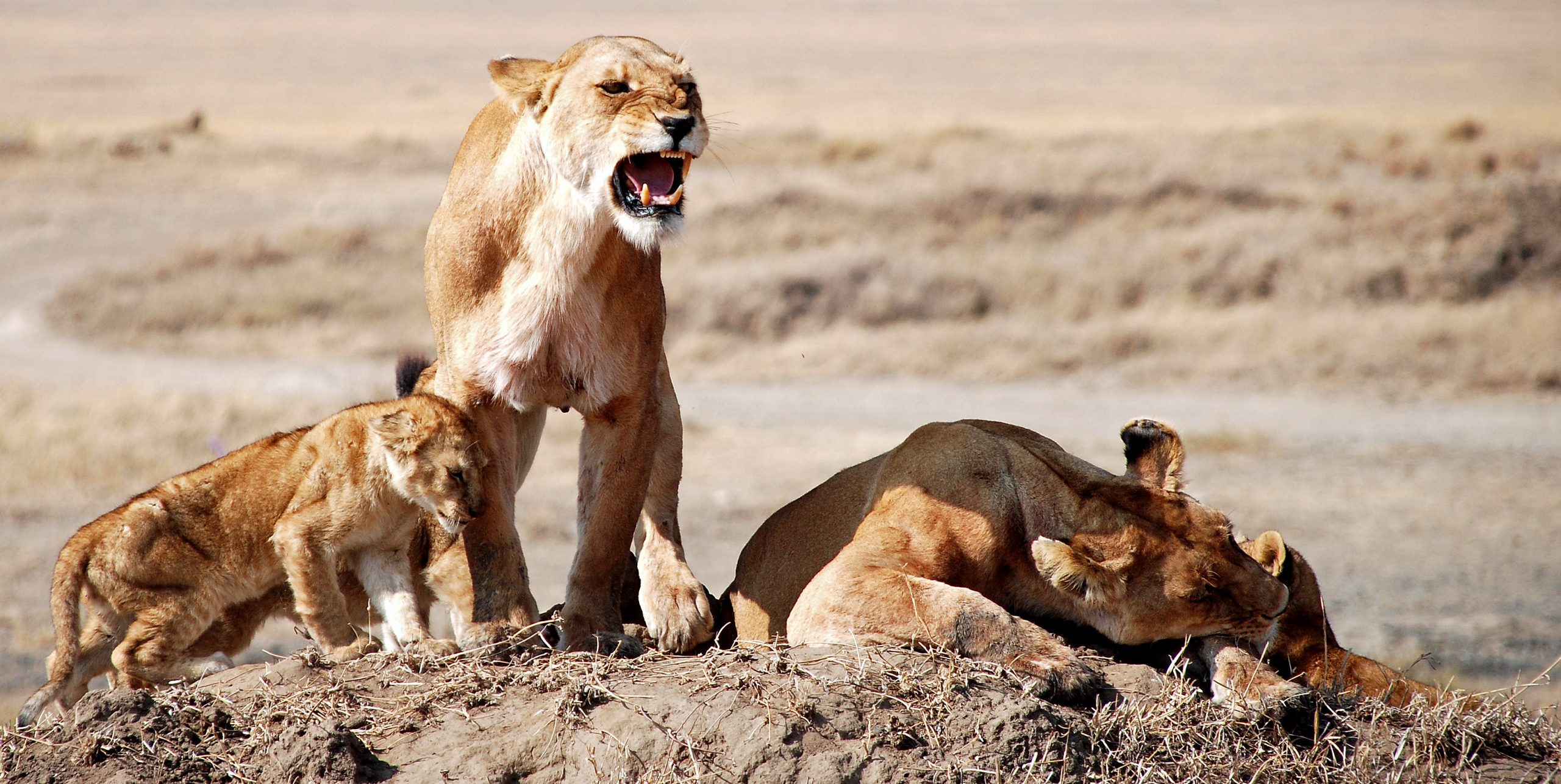
The conservancies adjacent to the Masai Mara operate under strict low-volume tourism guidelines. Maximum visitor numbers are controlled by limiting camp size to 12–24 beds per camp, with minimum spacing between camps. Game drives in conservancy areas are private — your vehicle will not join the concentrations of 20–30 vehicles that can occur around a major sighting in the national reserve. Night drives, walking safaris and bush breakfasts are permitted in conservancies, none of which is allowed in the national reserve. For visitors willing to pay the premium, the conservancy experience is fundamentally more immersive than the reserve.
“The conservancies around the Mara are, in my view, the best wildlife destination in Africa right now. The combination of wildlife density, the freedom to go off-road and stay with sightings as long as you wish, the night drives, the walking — it offers everything the reserve offers and everything the reserve cannot. I have been guiding in this ecosystem for 20 years and the conservancies are where I take my most discerning clients.”
Nikos Pocock — Managing Director, Africa Calling Safaris
Frequently Asked Questions
Do I need to enter the Masai Mara National Reserve if I stay in a conservancy?
Not necessarily. The conservancies have comparable wildlife and in some respects superior access. Many guests choose to spend their entire stay within the conservancy and never pay the national reserve entrance fee. However, some conservancies border the reserve and include a reserve game drive in their programme — check with your operator.
What are the conservancy fees on top of camp rates?
Most conservancies charge a conservancy fee of USD 80–120 per person per night, separate from the camp rate. This fee is paid to the conservancy trust and distributed to Maasai landowners. It is a meaningful revenue component and is explained as such to guests.
Is it possible to visit a Maasai village during a conservancy stay?
Yes. Most camps arrange optional cultural visits to neighbouring Maasai villages. These are conducted through the conservancy trust, ensuring that the income from cultural visits flows to the community directly rather than being captured by external tour operators.
Are the conservancy land lease payments genuinely fair?
Rates have increased substantially over the past decade as competition for conservancy leases has grown and as community awareness of land value has increased. The most reputable conservancy operators publish their lease rates and distribution methodology. It is a fair question to raise with your tour operator before booking.
Visited Africa Calling Safaris? We would love to hear your story.
Share Your ExperienceMore from Safari News
All stories-
Events & Conservation
African Wild Dogs: Africa’s Most Efficient Pack Hunter
The African wild dog (Lycaon pictus) is Africa's most efficient large predator and one of its most endangered mammals. With fewer than 6,600 individuals surviving across the continent, a sighting in Kenya's…
-
Events & Conservation
Saving the African Wild Dog: Kenya’s Rarest Predator and What’s Being Done
The African wild dog is Africa's most endangered large carnivore, with fewer than 6,000 individuals remaining continent-wide. In Kenya, a handful of populations survive in private conservancies. This is why they matter…
-
Events & Conservation
Community-Based Conservancies in Northern Kenya: Tourism That Gives Back
Northern Kenya's community conservancies — areas managed by local communities as wildlife habitat — represent a different model of conservation from government-run parks. Here is how they work and why they matter.