Kenya’s Three Giraffe Species: An Identification and Conservation Guide
Kenya is home to three of the world’s nine recognised giraffe species and subspecies, and the country holds the largest populations of two of them. The 2016 taxonomic revision that elevated several giraffe subspecies to full species status transformed the conservation picture: what had appeared to be a stable giraffe population of approximately 97,000 across Africa was revealed to be multiple smaller species, several of which are critically endangered. Kenya’s role in giraffe conservation is now understood to be globally significant.
The Reticulated Giraffe: Kenya’s Most Endangered
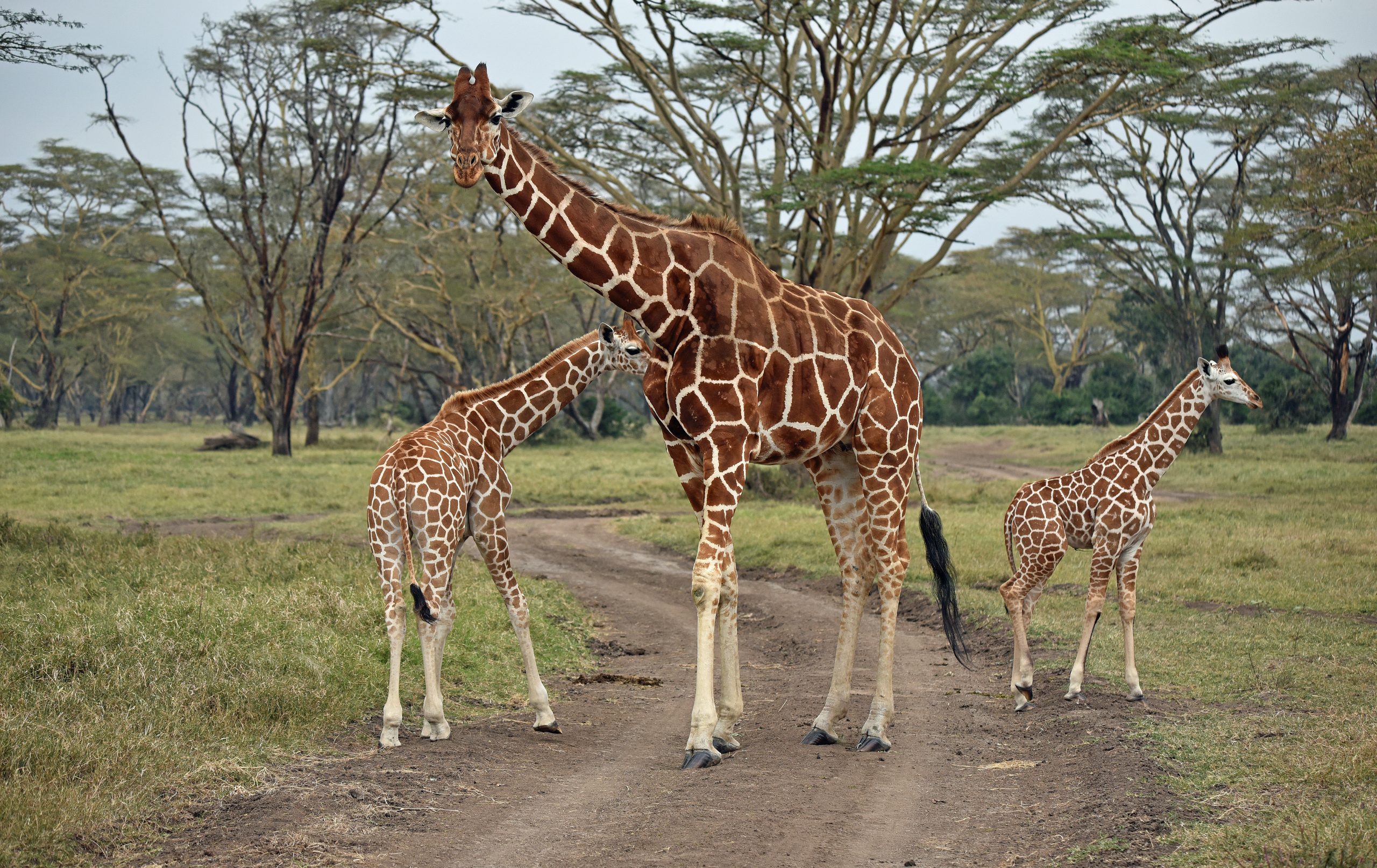
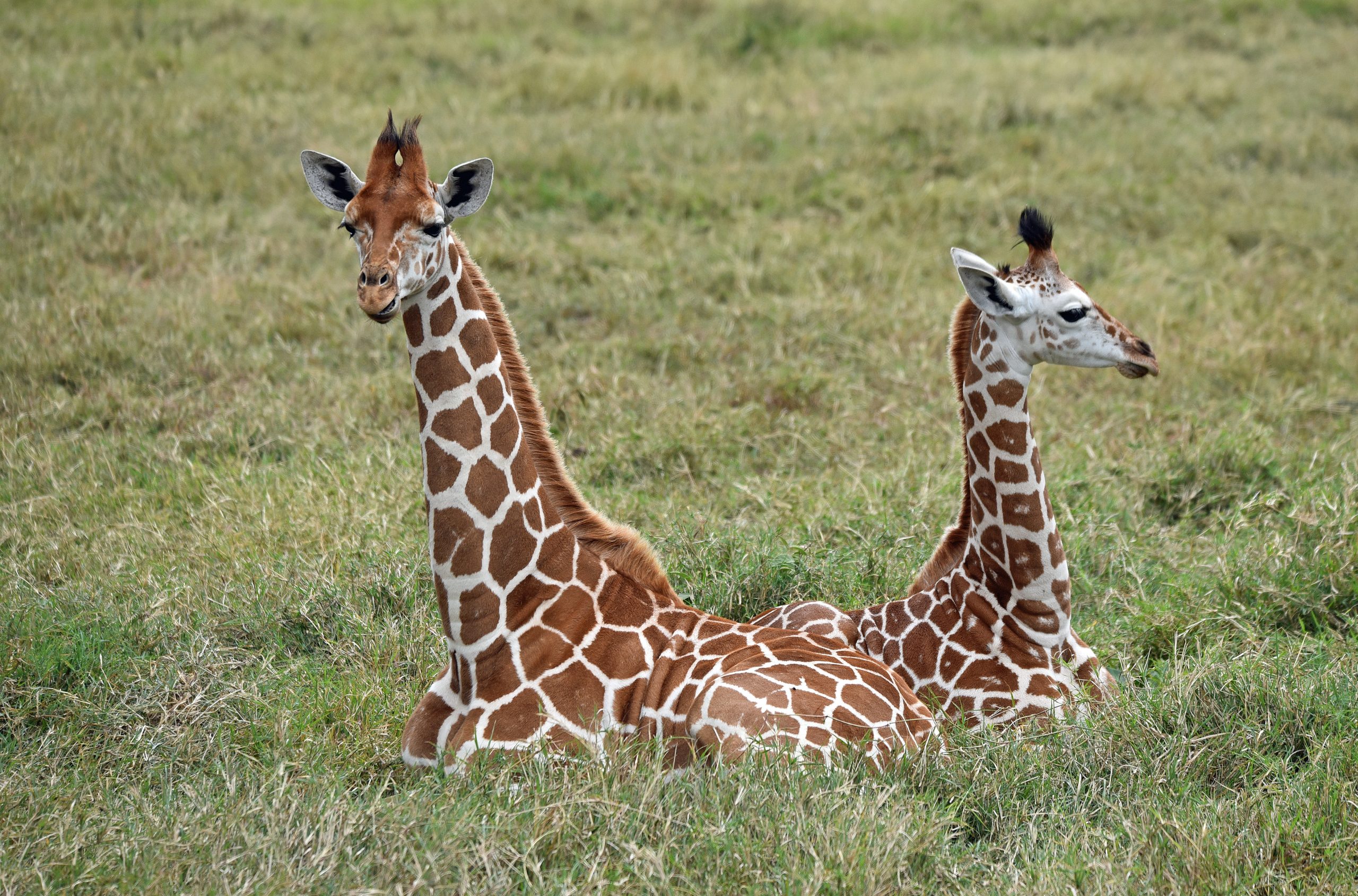
The reticulated giraffe is one of the most visually striking of the giraffe species, with large, clearly defined chestnut patches separated by narrow white lines — the ‘reticulated’ or net-like pattern that gives it its name. It is found in northern Kenya, with the greatest concentrations in Samburu National Reserve, Buffalo Springs, the Laikipia plateau and the Meru-Isiolo corridor. The species has declined by approximately 50% since 1985, driven by habitat loss, poaching and severe droughts that have decimated populations in its northern range.
Giraffe Conservation Foundation (2023): The reticulated giraffe population in Kenya is estimated at 15,780 individuals, representing approximately 80% of the global total. The population declined by 53% between 1998 and 2018 but has stabilised in recent years through conservation actions in Laikipia and Samburu. Community-based giraffe monitoring programmes have expanded significantly since 2019.
The Maasai Giraffe: The Most Numerous
The Maasai giraffe is the subspecies most commonly encountered in the Masai Mara, Amboseli and Tsavo ecosystems. Its coat pattern consists of irregular, jagged-edged patches on a cream background — distinctly different from the crisp reticulated pattern of the northern species. The Maasai giraffe is the largest of the Kenyan species and the population, though declining, is considerably healthier than the reticulated. The Masai Mara ecosystem holds some of the highest Maasai giraffe densities in Africa.
“One of my favourite moments is when a first-time safari guest notices that the giraffes in Samburu look completely different from the ones in the Mara. That is the moment they start to see the ecosystem rather than just the animals — and the taxonomic revision means it is now a factually different species, not just a regional variant. Kenya is genuinely a multi-species giraffe country.”
Nikos Pocock — Managing Director, Africa Calling Safaris
The Rothschild Giraffe: From Extinction to Recovery
The Rothschild giraffe (now considered a subspecies of the northern giraffe) was reduced to fewer than 150 individuals in Kenya by the early 2000s, making it one of the most endangered large mammals on Earth at that time. An intensive programme of habitat protection, anti-poaching and translocation to new populations — including the famous Giraffe Centre in Nairobi, which breeds and translocates Rothschild giraffes — has grown the Kenyan population to over 800. The species is now found in Ruma National Park on the shores of Lake Victoria, in Mwea and in the Nakuru region.
Frequently Asked Questions
How do I tell the three Kenyan giraffe species apart?
Reticulated: large, clearly defined chestnut patches with narrow white lines, confined to northern Kenya. Maasai: irregular, jagged-edged patches on cream, in southern Kenya and the Mara. Rothschild: irregular patches with additional white ‘socks’ below the knee (no spotting below the knee), in very limited specific locations.
What is the gestation period of a giraffe?
14–15 months. Calves are born at approximately 1.8 metres tall and can walk within hours. The mortality rate in the first year is high — up to 75% in some studies — primarily from predation by lions, leopards and hyenas.
Where is the best place in Kenya to photograph reticulated giraffes?
Samburu National Reserve offers the highest density of reticulated giraffes in an accessible wildlife reserve. They are frequent and close sightings on game drives. Laikipia ranches, particularly Lewa and Ol Jogi, also have excellent populations.
Do giraffes drink water?
Yes, though they obtain much of their water requirements from their diet of leaves. They drink at waterholes every few days. The act of drinking — requiring the giraffe to spread its forelegs wide to reach the water — leaves it highly vulnerable to predation and is one of the most dramatic wildlife observation moments available in Kenya.
Visited Africa Calling Safaris? We would love to hear your story.
Share Your ExperienceMore from Safari News
All stories-
Events & Conservation
Maasai Community Conservancies: Land, Wildlife and Revenue Sharing
The Maasai people of Kenya's southern Rift Valley and Mara ecosystem have lived alongside wildlife for centuries. Their semi-nomadic pastoralist culture, built on cattle-keeping across vast communal rangelands, created an incidental wildlife…
-
Travel Tips
Lake Nakuru: Flamingos, Rhinos and the Rift Valley in One Park
Lake Nakuru in Kenya's Rift Valley is one of the most immediately spectacular wildlife destinations in Africa. On a good day, the entire shoreline of this shallow alkaline lake is stained pink…
-
Travel Tips
Safari Photography Equipment: What to Bring and Why
Safari photography has specific demands that differ significantly from urban or travel photography. The distances involved, the speed of wildlife action, the vehicle vibration, the dust and the extreme contrast between bright…