Lake Nakuru: Flamingos, Rhinos and the Rift Valley in One Park
Lake Nakuru in Kenya’s Rift Valley is one of the most immediately spectacular wildlife destinations in Africa. On a good day, the entire shoreline of this shallow alkaline lake is stained pink by concentrations of up to one million Lesser Flamingos — the largest single flamingo gathering in the world. The lake also holds white and black rhinos, waterbuck, buffalos, leopards, and one of Kenya’s densest lion populations in a compact, easily navigable national park.
The Flamingo Spectacle: Understanding the Variability
The concentration of flamingos at Nakuru is driven by the lake’s algal productivity, which fluctuates with water levels and the alkalinity of the water. When conditions are optimal, the lake can support close to one million Lesser Flamingos and tens of thousands of the larger Greater Flamingos. In years of high rainfall, the lake level rises and dilutes the alkalinity, reducing algal productivity and dispersing flamingos to other Rift lakes — particularly Lake Bogoria, 150 km to the north, which becomes the primary flamingo concentration site. In recent years, rising water levels at Nakuru have reduced flamingo numbers significantly compared to the 1990s and 2000s peak. A visit to Lake Bogoria is often necessary to see the classic flamingo spectacle.
Kenya Wildlife Service Nakuru count data (2023): The flamingo population at Lake Nakuru fluctuated between 85,000 and 680,000 individuals during 2023, compared to peak historical concentrations of over 1.5 million. Water level rise since 2013 has reduced the lake’s alkalinity and algal productivity. Lake Bogoria currently holds higher average flamingo concentrations than Nakuru in most months.
The Rhinos of Nakuru
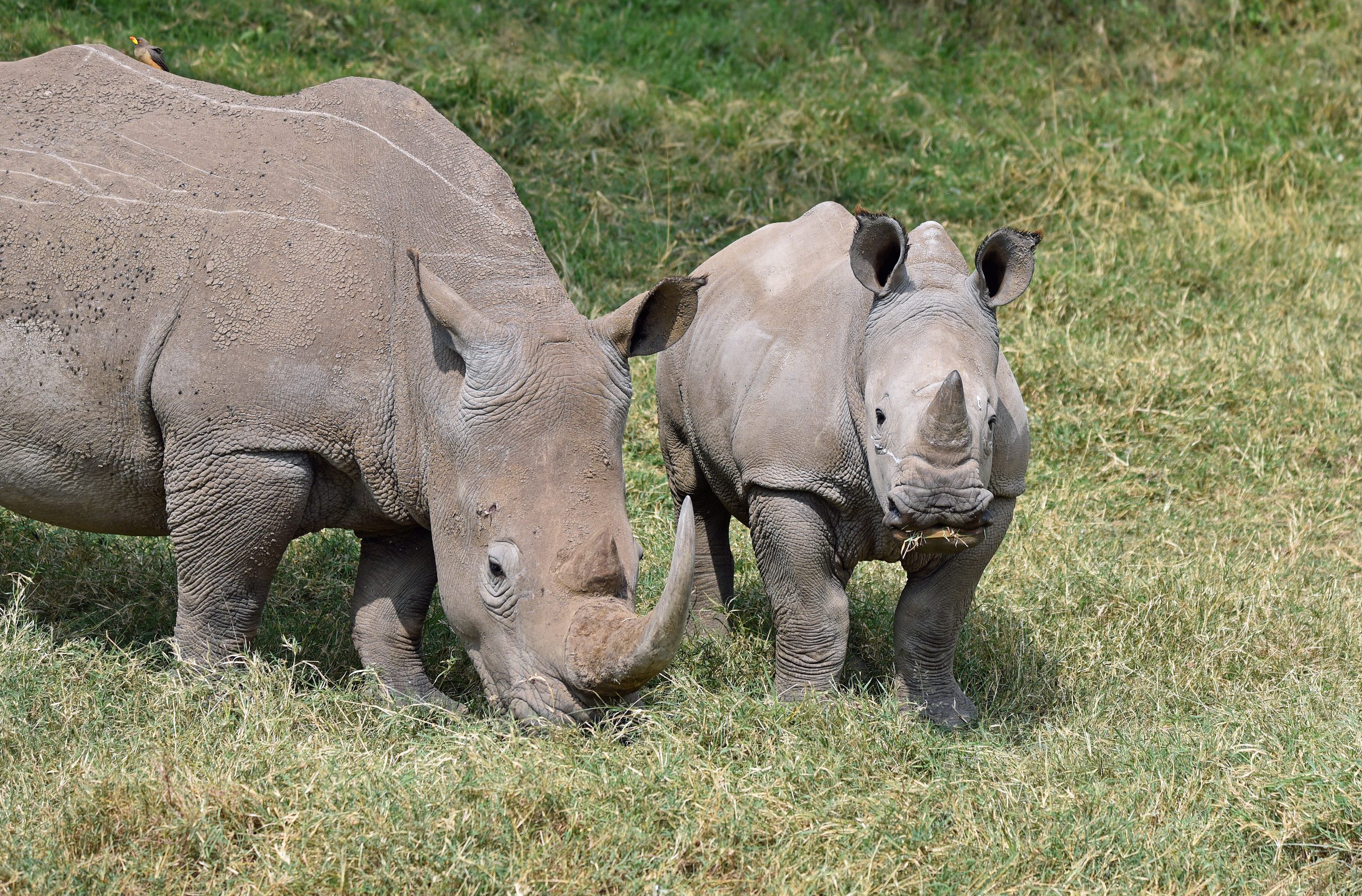
Lake Nakuru National Park was gazetted as a rhino sanctuary in 1984 and now holds one of Kenya’s most important populations of both black and white rhinos. The park’s 188 square kilometres are fully enclosed by an electric fence, allowing rangers to monitor every individual. The southern white rhino, introduced from South Africa, has established a breeding population. The black rhino, Kenya’s critically endangered native subspecies, is tracked and protected by dedicated rangers. A day in Nakuru provides better rhino encounter probabilities than almost any other unfenced East African park.
“I always tell clients that Nakuru is a guaranteed rhino day. In an unfenced park you might wait three days to see one. In Nakuru the population is managed, known and accessible. We typically find rhinos within the first two hours. Combine that with the flamingos, the lions, the leopards in the fig forest — Nakuru is one of the most productive parks in Kenya per hour of game driving.”
Nikos Pocock — Managing Director, Africa Calling Safaris
Beyond the Flamingos: Nakuru’s Other Wildlife
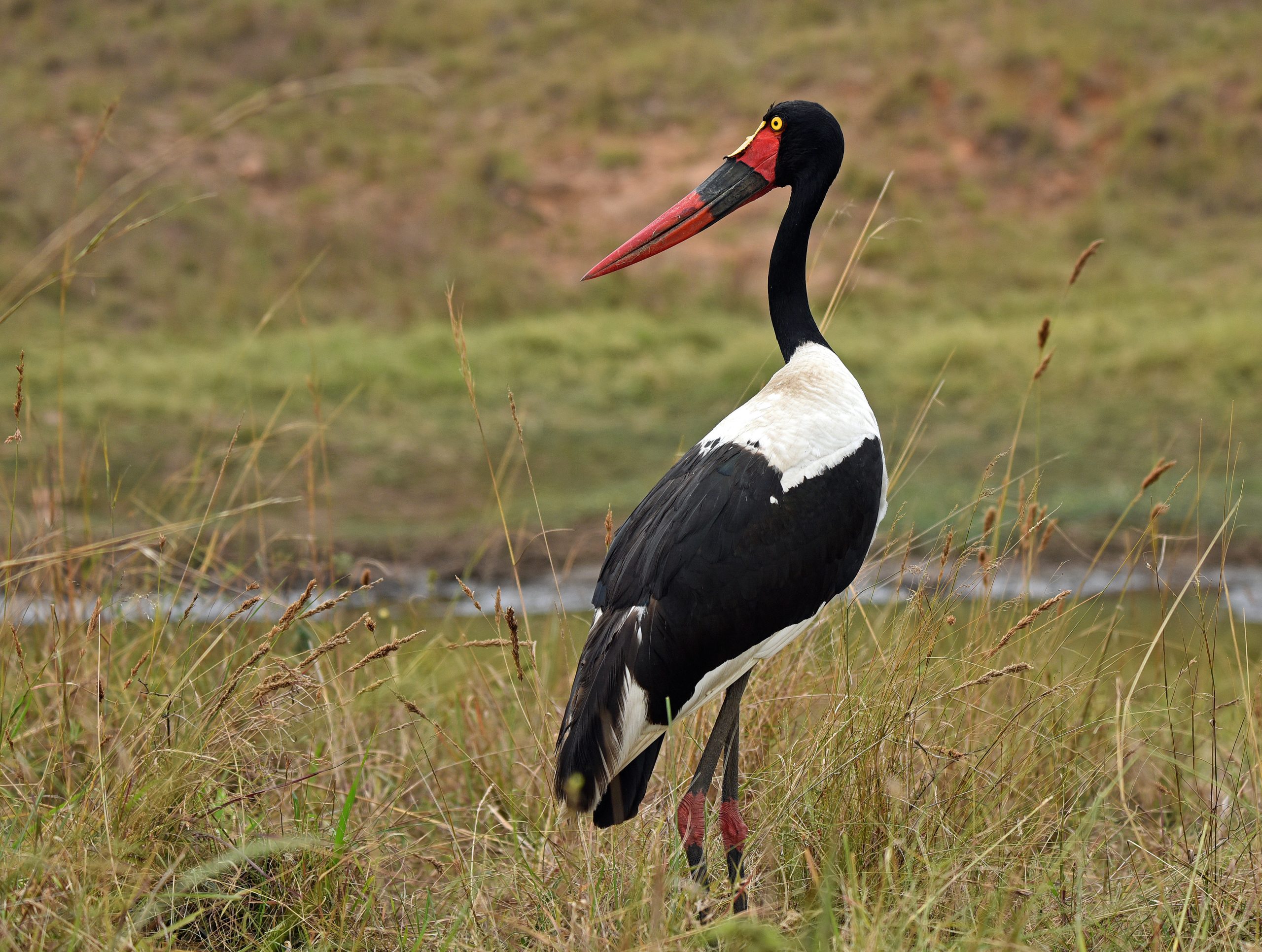
The park’s yellow fever tree forest on the lake’s north shore is exceptional leopard habitat. Nakuru consistently produces leopard sightings that surprise visitors who have come purely for the flamingos. A pride of lions is resident and frequently seen on the open slopes above the lake. Waterbuck are exceptionally abundant — the park holds over 4,000, making them one of the most prominent mammals in any direction. Pelicans, cormorants, herons, and an extraordinary range of wading birds are present at the lake margins year-round.
Frequently Asked Questions
How long does it take to drive to Nakuru from Nairobi?
Approximately 2.5–3 hours on the main Nairobi-Nakuru A104 highway via the Rift Valley escarpment viewpoint. The drive itself offers excellent views of the Rift Valley and can include a stop at the escarpment overlook at Longonot Junction.
Can I visit Lake Bogoria and Nakuru in the same trip?
Yes. Bogoria is 75 km north of Nakuru town. A combined itinerary of Bogoria in the morning (flamingos) and Nakuru in the afternoon (rhinos, lions) is possible in a long day. An overnight in Nakuru town is more comfortable and allows a full day in each park.
Is swimming in Lake Nakuru possible?
No. The lake is highly alkaline (pH approximately 10.5), caustic to skin on extended contact, and not suitable for swimming. The flamingos themselves have specially toughened skin on their legs to tolerate immersion.
What time of year has the most flamingos at Nakuru?
Flamingo numbers are highest during dry season months (July–September and January–March) when water levels are lower and alkalinity is higher. In wet years, Bogoria is more productive. Your operator will advise on current conditions before your visit.
Visited Africa Calling Safaris? We would love to hear your story.
Share Your ExperienceMore from Safari News
All stories-
Travel Tips
Safari Photography Equipment: What to Bring and Why
Safari photography has specific demands that differ significantly from urban or travel photography. The distances involved, the speed of wildlife action, the vehicle vibration, the dust and the extreme contrast between bright…
-
Travel Tips
The Wildebeest Migration: A Month-by-Month Timing Guide
The wildebeest migration is the largest overland movement of mammals on Earth: approximately 1.5 million wildebeest, 400,000 zebra and 200,000 Thomson's gazelle moving in a continuous circuit through the Serengeti-Masai Mara ecosystem…
-
Travel Tips
Kenya’s Green Season: How to Safari in the Short Rains
Kenya has two rainy seasons, and both are more useful for travellers than their reputation suggests. The short rains of October and November and the long rains of April and May transform…