Best Time to Visit Kenya: A Season-by-Season Breakdown
The question of the best time to visit Kenya has no single answer because ‘best’ depends entirely on what you want to experience. Every month of the year offers a compelling and different Kenya. This guide breaks down the year by season and matches each period to the visitor priorities it serves best — whether that is the wildebeest migration, birdwatching, photography, rhino encounters, or the combination of wildlife and value for money.
July–October: Peak Season and Migration
The July–October period coincides with Kenya’s dry season and the presence of the wildebeest migration in the Masai Mara ecosystem. This is the most popular safari season and justifiably so: grass is short, visibility is excellent, wildlife concentrates around permanent water sources, and the migration provides a dramatic overlay. July and August see the highest visitor numbers and prices. September is a strong compromise — migration still present, slightly lower visitor numbers than August, and the first occasional afternoon thunderstorms that begin to green the landscape.
Kenya Tourism Board data (2023): July and August account for 31% of Kenya’s annual international safari visitor arrivals. October accounts for 9%. Average camp rates in the Masai Mara conservancies in July are USD 850–1,400 per person per night all-inclusive; in October, comparable camps charge USD 550–950. The wildlife quality difference between these months does not justify the price gap for most travellers.
January–March: Calving Season and Dry Heat
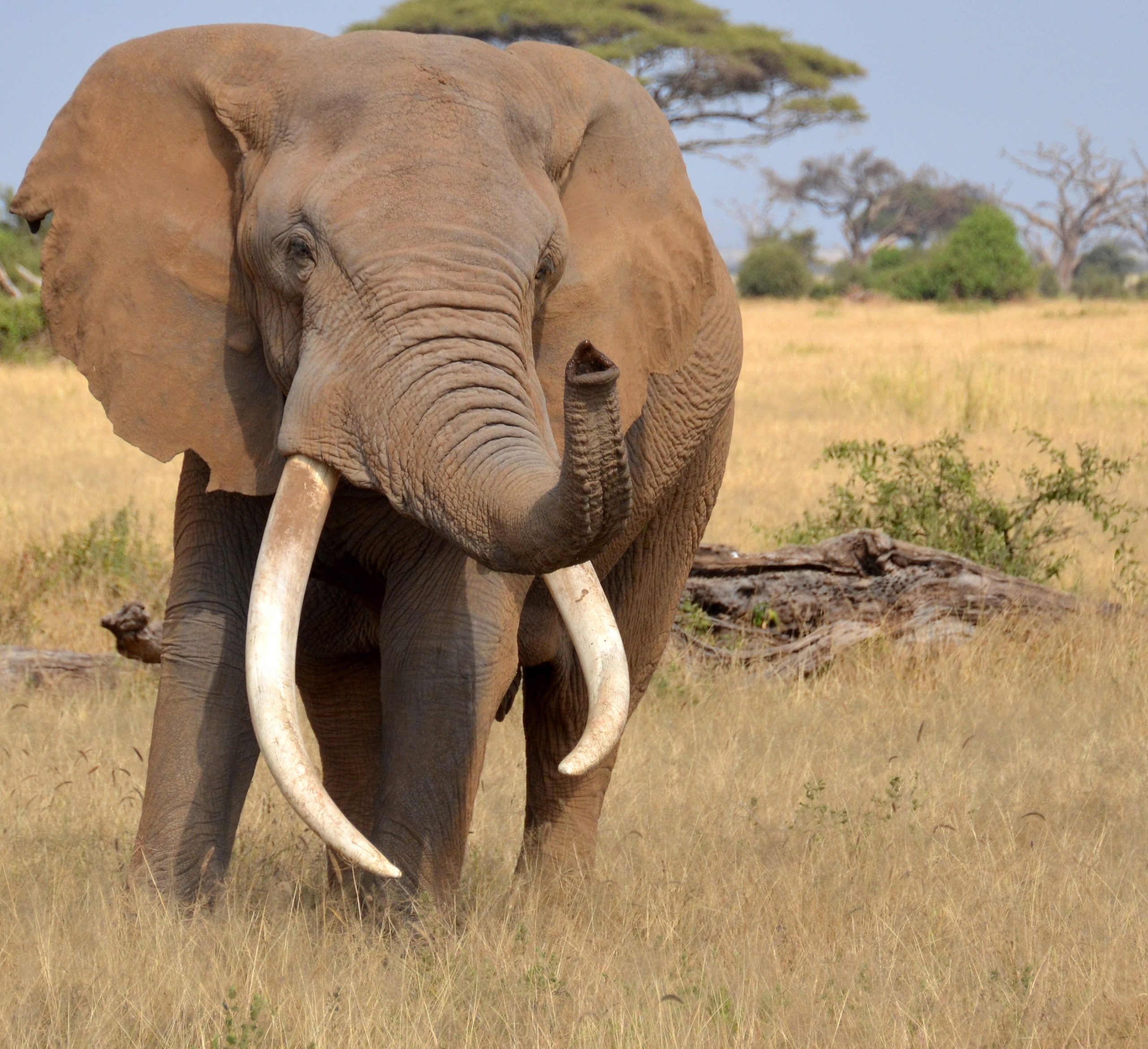
Kenya’s short dry season runs January–March, with hot, dry conditions across most of the country. The Masai Mara and Amboseli have short, crisp grass and excellent visibility. The wildebeest calving season on the southern Serengeti in February is one of the great wildlife events of the year, accessible by crossing into Tanzania. Amboseli offers peak elephant viewing as families concentrate at the swamp water sources fed by Kilimanjaro snowmelt. Lake Nakuru is at lower water levels, making flamingo concentrations more likely. This is a superb alternative to peak season with lower crowds and lower prices.
“January in Amboseli is a safari secret. The mountain is clear most mornings — that extraordinary view of Kilimanjaro over the elephants — and the park is half-empty. The elephant families are at the swamps in force. It is one of the experiences I am proudest to offer and one of the most consistently requested by returning clients.”
Nikos Pocock — Managing Director, Africa Calling Safaris
April–June: The Long Rains and Value
April and May are Kenya’s long rains, with sustained rainfall across most of the country. Some camps close entirely for maintenance. Roads in remote parks can become challenging. However, this is also the most dramatic season for landscape photography — wildflowers, green hills, dramatic skies. Some parks, particularly in the higher-rainfall areas of western Kenya, are at their most lush and beautiful. Prices are at their annual low. For a budget-conscious traveller or an experienced visitor who has already done the dry season, April–May has its own rewards.
Frequently Asked Questions
Is there a single month that is objectively the best?
September is often cited by experienced safari guides as the best compromise month: migration still in the Mara, grass starting to green, temperature cooling slightly, prices easing from August peak, and visitor numbers declining. It is not a dramatic claim, but September consistently produces excellent results across all priorities.
Can I see the Big Five at any time of year?
Yes. Lion, leopard, elephant, buffalo and rhino are all present in Kenya’s major parks throughout the year. The ease of sighting each species varies by season — buffalo and elephant are most easily found at water sources in the dry season; leopards are more visible when vegetation is reduced — but none disappears in any season.
Is it worth travelling during a public holiday period?
Easter and Christmas attract significant numbers of Kenyan domestic visitors to parks near Nairobi (Amboseli, Nakuru, Naivasha). The Masai Mara and northern parks are less affected by domestic tourism peaks. International peak season patterns remain July–August regardless of public holidays.
Does the time of day matter as much as the season?
Yes. Early morning (06:00–09:00) and late afternoon (16:00–19:00) are when wildlife is most active in every season. Midday game drives in high heat produce a fraction of the sightings and action of the crepuscular hours. This is a more impactful variable in your daily experience than which month you visit.
Visited Africa Calling Safaris? We would love to hear your story.
Share Your ExperienceMore from Safari News
All stories-
Travel Tips
Kenya’s Three Giraffe Species: An Identification and Conservation Guide
Kenya is home to three of the world's nine recognised giraffe species and subspecies, and the country holds the largest populations of two of them. The 2016 taxonomic revision that elevated several…
-
Events & Conservation
Maasai Community Conservancies: Land, Wildlife and Revenue Sharing
The Maasai people of Kenya's southern Rift Valley and Mara ecosystem have lived alongside wildlife for centuries. Their semi-nomadic pastoralist culture, built on cattle-keeping across vast communal rangelands, created an incidental wildlife…
-
Travel Tips
Lake Nakuru: Flamingos, Rhinos and the Rift Valley in One Park
Lake Nakuru in Kenya's Rift Valley is one of the most immediately spectacular wildlife destinations in Africa. On a good day, the entire shoreline of this shallow alkaline lake is stained pink…