Nairobi Layover Guide: Making the Most of 6 to 48 Hours
Most Kenya safari flights route through Nairobi's Jomo Kenyatta International Airport. A layover of six hours or more is worth treating as the start of the trip rather than dead time.
Nairobi’s Jomo Kenyatta International Airport (NBO) is East Africa’s main international hub. National Geographic Travel’s safari planning framework provides an independent overview of the considerations — ecosystem choice, timing, duration, and operator selection — that determine whether a safari delivers what it promises. Nairobi’s Jomo Kenyatta International Airport (NBO) is East Africa’s main international hub. Almost every Kenya safari itinerary begins and ends here. A layover of six hours or longer — on arrival or departure — is worth planning properly. Nairobi rewards the visitor who treats it as a destination rather than a transit point.
Key Facts
- Nairobi National Park was gazetted in 1946 — Kenya’s first national park and one of the earliest in Africa; it covers 117 km², 7 km from Nairobi’s central business district
- The David Sheldrick Wildlife Trust has successfully rescued and reintegrated over 260 elephant orphans since its founding in 1977
- Nairobi is East Africa’s largest economy and a regional hub for UN agencies, NGOs and international corporations
- App-based taxis (Uber, Bolt) are available throughout Nairobi and are significantly safer than roadside hailing; they require mobile data or pre-arranged access
- Peak traffic hours in Nairobi: 07:00–09:30 and 16:30–19:30; journey times can triple during these windows
6 to 12 Hours: Nairobi National Park
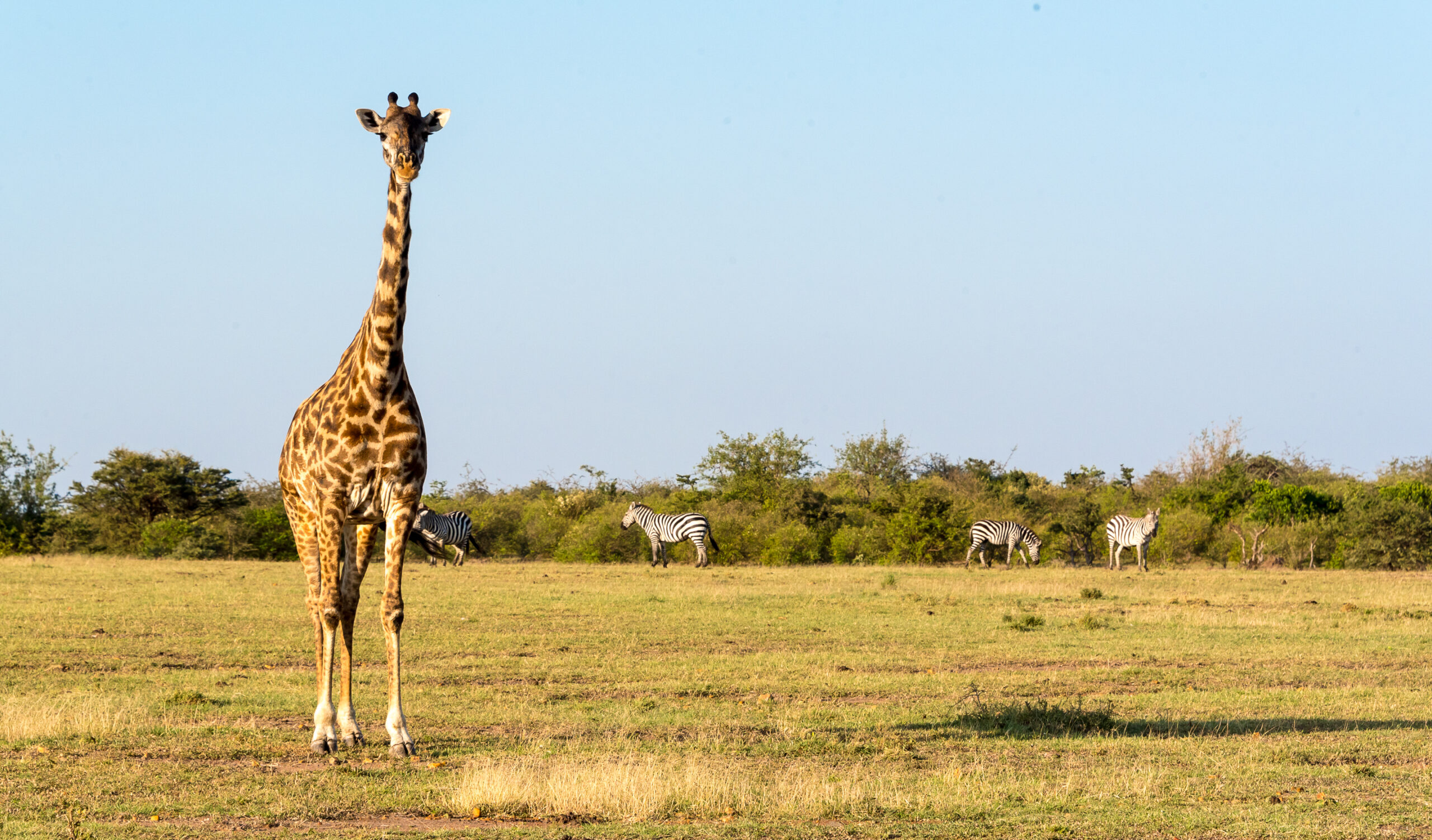
Africa’s only national park within the boundaries of a capital city lies 7 kilometres from the airport. A return transfer and three-hour game drive can be organised efficiently, making this a genuine option for a four-hour morning layover. The park holds lion, leopard, rhino, buffalo and cheetah against the backdrop of the city skyline — one of Africa’s great incongruities. Africa Calling arranges park transfers from 5:30 a.m.
12 to 24 Hours: The Giraffe Centre and David Sheldrick Wildlife Trust
Both attractions are in Langata, a 20-minute drive from the airport in light traffic. The Giraffe Centre allows hand-feeding of endangered Rothschild’s giraffes. The David Sheldrick Wildlife Trust runs the world’s most successful elephant orphan rescue and rehabilitation programme. The morning visit window (10:00–11:00 a.m.) is the best time to see the youngest calves being fed milk bottles. Book the Sheldrick visit in advance at sheldrickwildlifetrust.org — entry is free but timed.
24 to 48 Hours: Karura Forest, Westlands and Karen
A longer layover justifies staying in Nairobi overnight rather than the airport. Karura Forest offers walking and cycling trails within the city, with kingfishers and hippos in the river pools. The Karen suburb — named after Karen Blixen of Out of Africa — has good restaurants, the Karen Blixen Museum and access to the Ngong Hills for an easy half-day hike. Westlands offers the best of Nairobi’s restaurant and coffee scene.
Practical Notes
Nairobi traffic is severe from 7:00 to 9:30 a.m. and 4:30 to 7:30 p.m. Plan any layover activity with these windows in mind. Many international flights arrive at night; the city is safe in tourist areas but always use app-based taxis (Uber, Bolt) or pre-arranged transfers — never hail cabs at the roadside.
Africa Calling coordinates airport transfers and layover activities for all guests. Let us know your flight times and we will organise everything seamlessly.
Nairobi as a Destination in Its Own Right
Nairobi’s reputation as a transit city undersells it significantly. The city of roughly 4.5 million has a developed food, arts and music culture — Westlands in particular is one of East Africa’s most cosmopolitan neighbourhoods, with restaurants representing a dozen cuisines and coffee shops that compete with any in Europe. The Nairobi National Museum in Upper Hill covers Kenyan natural history, pre-colonial and colonial history and contemporary Kenyan art in a well-curated space worth two to three hours.
For conservation-focused travellers, Nairobi National Park — the game reserve that borders the city’s southern edge — deserves more than a cursory visit. It is one of the only places in the world where you can observe wild rhino, lion and giraffe against a skyscraper backdrop. The contrast is jarring and, eventually, thought-provoking. The park’s continued existence is under constant pressure from urban expansion; understanding this is useful context for appreciating what Kenya’s wider conservation system has achieved.
The David Sheldrick Wildlife Trust, whose elephant orphan programme is described in this guide, offers an adoption scheme that allows visitors and non-visitors alike to support specific calves financially — a meaningful way to extend the connection after leaving Kenya. Those interested in what a full Kenya itinerary might include beyond Nairobi should read our guide to a Georgian traveller’s first safari and our first-time Africa traveller account for honest expectations-setting before arrival.
Sources and Further Reading
- Kenya Wildlife Service. Nairobi National Park. kws.go.ke
- David Sheldrick Wildlife Trust. Annual impact report and orphan database. sheldrickwildlifetrust.org
- African Conservation Centre. Urban wildlife corridors in Nairobi. africanconservation.org
- Giraffe Centre Trust. Rothschild’s giraffe conservation programme. giraffecentre.org
About the Author

Managing Director, Africa Calling Safaris · Editor, Safari News
Over two decades designing private safari journeys across Kenya, Tanzania and Uganda. Full profile →
More from Safari News
All stories-
Travel Tips
Safari Budget Guide: What Does a Kenya Safari Actually Cost?
Prices for Kenya safaris vary enormously — from basic camping to ultra-luxury camps at $2,000 per night. This guide explains the cost tiers, what drives the price differences and how to budget…
-
Travel Tips
Self-Drive vs Guided Safari: Which Is Right for You?
Renting a 4WD and driving yourself through Kenya's reserves is possible and cheaper. A guided safari offers experienced tracking, species knowledge and emergency support. Here is how to decide.
-
Travel Tips
Safari Packing List: What to Wear and What to Leave at Home
Most first-time safari travellers pack the wrong things. This list covers what you actually need for a Kenya safari, including the items that seem trivial but matter enormously on day three.