Self-Drive vs Guided Safari: Which Is Right for You?
Renting a 4WD and driving yourself through Kenya's reserves is possible and cheaper. A guided safari offers experienced tracking, species knowledge and emergency support. Here is how to decide.
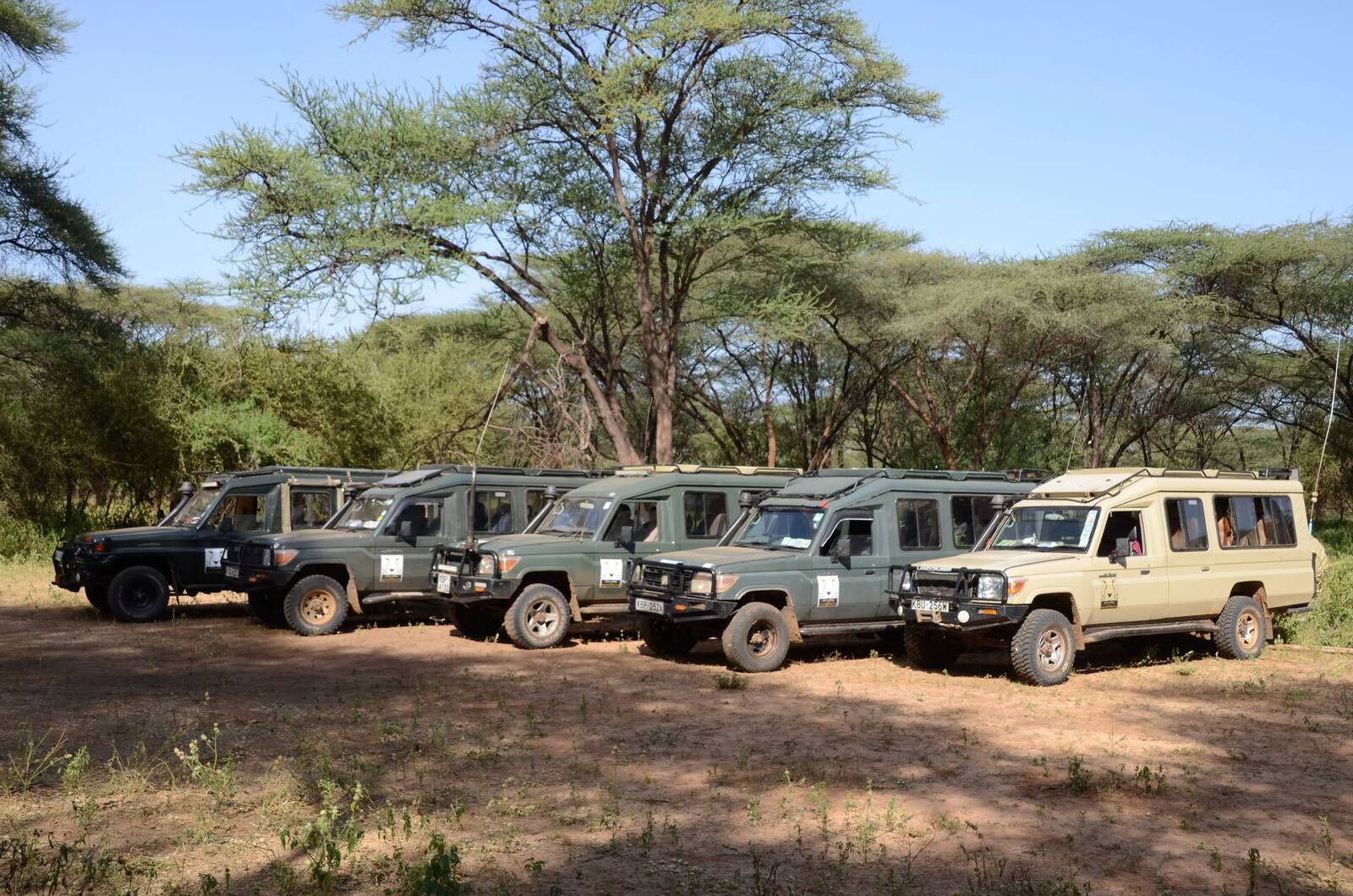
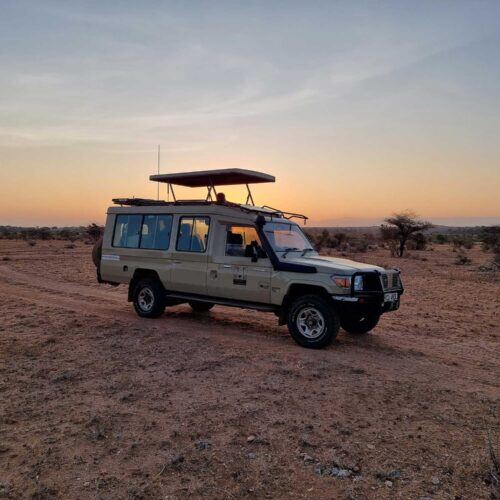
Kenya permits self-drive game drives in most national parks and reserves. National Geographic’s conservation journalism from East Africa has tracked both the ecological progress and the ongoing pressures across Kenya’s protected areas — relevant context for any visitor seeking to understand what they are entering. You rent a 4WD from a Nairobi agency, navigate the park map yourself and pay park entry fees at the gate. It is legal, reasonably straightforward in some parks and significantly cheaper than a guided experience. It is also, for most wildlife sightings, considerably less productive.
Key Facts
- Kenya records 1,137 bird species — among the highest national totals in Africa — and over 390 mammal species
- The Masai Mara National Reserve covers 1,510 km²; adjoining private conservancies add approximately 1,500 km² of managed habitat
- KWS national parks and reserves impose a 19:00 gate-closing time with no exceptions; being caught inside after closing incurs a formal penalty
- A senior Masai Mara guide’s working territory covers a defined section of the reserve and its adjoining conservancy, built over years of daily observation
- Radio networks among guides in the Mara can locate a cheetah kill within minutes; self-drive vehicles have no access to this information channel
The Case for Self-Drive
Autonomy. You drive when you want, stay where you want, leave when you want. There is no pressure to return to camp for a scheduled meal. If you find a cheetah hunt in progress, you can watch it to its conclusion without a guide who needs to manage another guest’s timeline. Self-drive costs are substantially lower — vehicle rental, fuel and park fees replace camp accommodation and guide fees.
Self-drive works best in: Amboseli National Park (compact, well-signposted, game densely concentrated around the swamps); Lake Nakuru National Park (small and navigable); and Tsavo East (large but straightforward roads).
The Case for a Guided Safari
Finding animals: A skilled Kenyan guide with 10 years of experience in a specific reserve has a mental map of individual animal territories, seasonal movement patterns and daily routines. They radio contact with other guides when significant sightings are located. A self-drive vehicle looking at the same landscape sees a fraction of what a guided vehicle sees.
Identifying what you see: Kenya has over 1,100 bird species and more than 100 mammal species. A guide transforms a brown bird in a tree into something with a name, a behaviour and a story. Without this context, wildlife viewing remains superficial.
Safety and logistics: Vehicles break down. Parks close gates at 7:00 p.m. Roads flood after rain. A guided safari includes breakdown support, gate management, camp radio contact and a guide who knows when to leave before the evening thunderstorm closes the road.
The Hybrid Option
Some travellers self-drive between destinations on tarmac roads and engage a local guide at each park gate. This approach reduces vehicle-hire costs while retaining field expertise where it is most critical: inside the reserve.
Africa Calling operates guided safaris ranging from three to fourteen days. Contact us for a customised quote.
The Knowledge Gap: What a Guide Actually Knows
The difference between a self-drive and a guided safari is most visible not in comfort or logistics but in ecological understanding. A senior guide in the Masai Mara with fifteen years of experience in that specific reserve carries a mental archive of individual animal life histories, seasonal habitat use patterns and the fine-grained behavioural cues — a bird alarm call, a change in grass movement, the way impala face a specific direction — that translate into sightings. This knowledge takes years to build and cannot be replicated by a map, a wildlife guide book, or a tracking app.
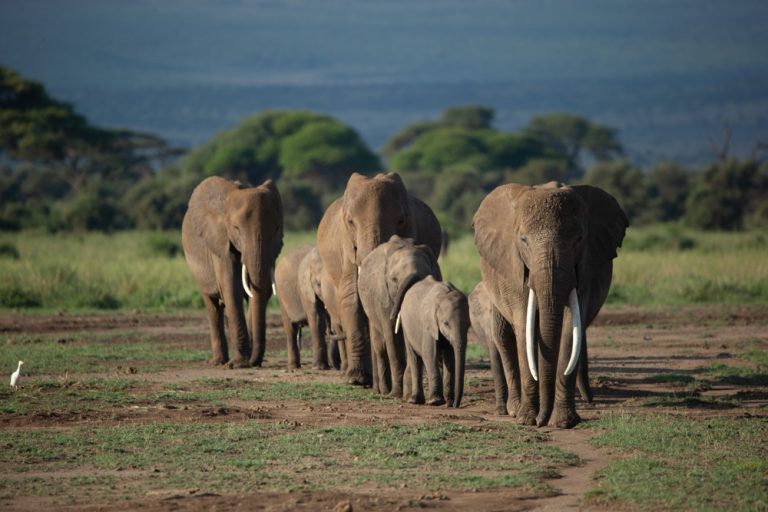
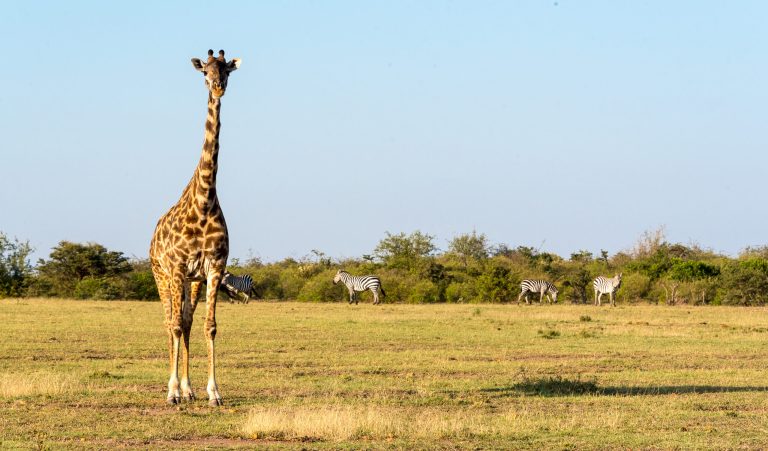
An experienced guide will typically find three to five times more wildlife in a given drive area than a self-drive vehicle working the same ground in the same period. This is not an estimate — it is the consistent observation of camp managers who track both guided and self-drive guest feedback. The gap is widest for leopard and wild dog, which are genuinely cryptic and require active, local knowledge to locate, and smallest for elephant and giraffe, which are large, common and visible from a distance.
For travellers planning their first Africa trip, the testimonials in our first-time Africa account and our Georgian traveller’s experience both speak to the value of guide expertise. The budget guide provides an honest cost comparison between the two options. For those who want the guided-safari experience with the flexibility of independent travel, our note on the hybrid approach above offers a practical middle path. The Kenya Wildlife Service website lists self-drive regulations and current vehicle requirements for each reserve.
Sources and Further Reading
- del Hoyo, J. et al. (eds.) (2014). Handbook of the Birds of the World. Lynx Edicions. hbw.com
- Kingdon, J. (2015). The Kingdon Field Guide to African Mammals, 2nd ed. Bloomsbury Publishing.
- Kenya Wildlife Service. Self-drive regulations and permit requirements. kws.go.ke
- Association of Certified Safari Operators (ACSO). Kenya guide certification standards. acsokenya.org
About the Author

Managing Director, Africa Calling Safaris · Editor, Safari News
Over two decades designing private safari journeys across Kenya, Tanzania and Uganda. Full profile →
More from Safari News
All stories-
Travel Tips
Safari Budget Guide: What Does a Kenya Safari Actually Cost?
Prices for Kenya safaris vary enormously — from basic camping to ultra-luxury camps at $2,000 per night. This guide explains the cost tiers, what drives the price differences and how to budget…
-
Travel Tips
Nairobi Layover Guide: Making the Most of 6 to 48 Hours
Most Kenya safari flights route through Nairobi's Jomo Kenyatta International Airport. A layover of six hours or more is worth treating as the start of the trip rather than dead time.
-
Travel Tips
Safari Packing List: What to Wear and What to Leave at Home
Most first-time safari travellers pack the wrong things. This list covers what you actually need for a Kenya safari, including the items that seem trivial but matter enormously on day three.