First Time in Africa: One Traveller’s Account of the Masai Mara
Sarah travelled to the Masai Mara for the first time in August, alone, with no idea what to expect. This is her account of five days in one of Africa's most celebrated ecosystems.
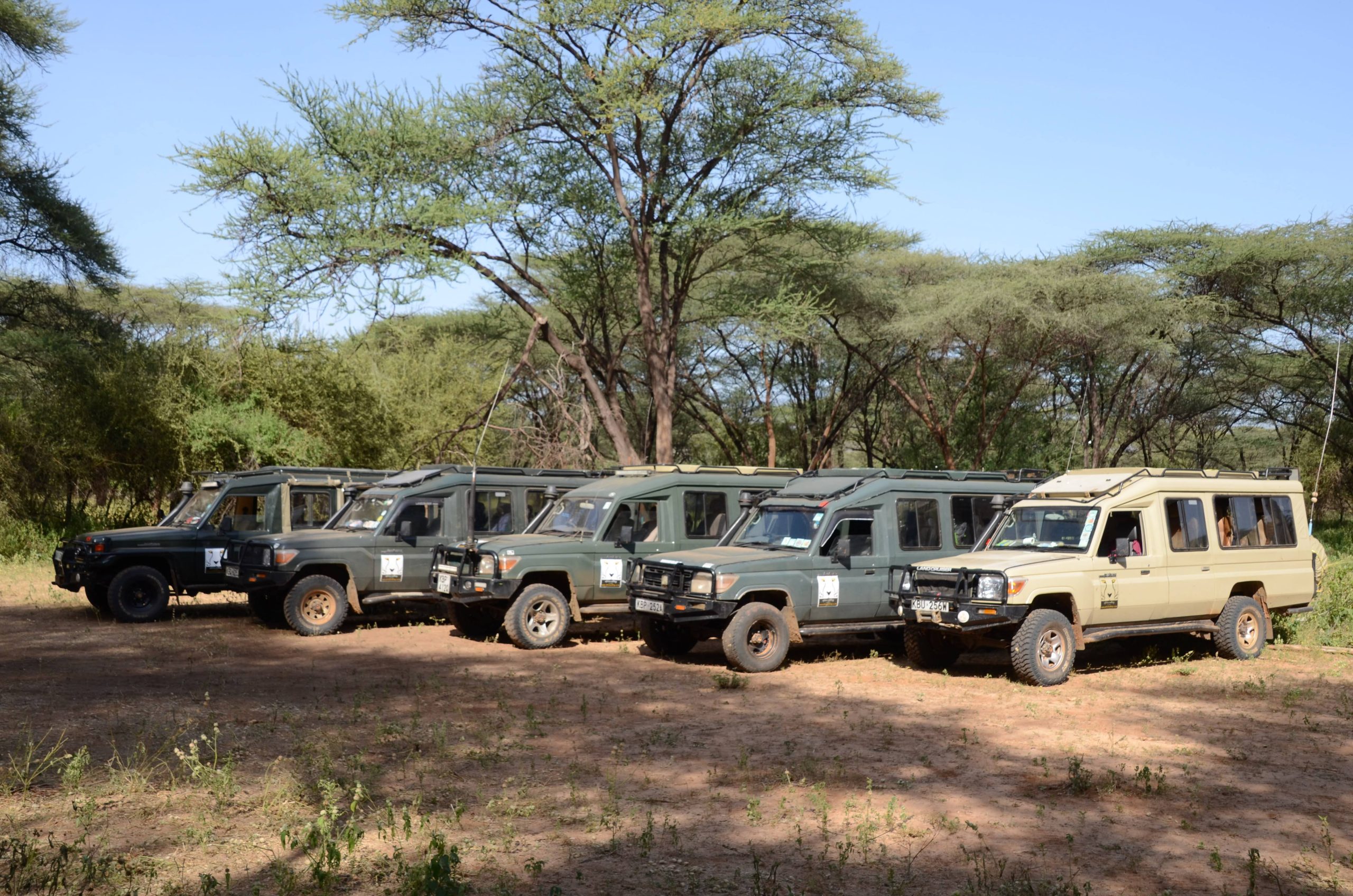
Guest contributor Sarah Mitchell, 38, is a secondary school teacher from Edinburgh who travelled with Africa Calling in August.
I have wanted to go to Africa since I was eight years old and watched a wildebeest crossing on a wildlife documentary. I spent the next thirty years finding reasons not to go: too expensive, too complicated, too far, too much planning. Last winter, a colleague who had been to Kenya twice told me it was simpler than I was making it sound. She was right.
Key Facts
- Minimum recorded temperature on a Masai Mara game drive in July–August: typically 8–12°C at 05:30 departure; thermal layers are not optional
- Thomson’s gazelle (Eudorcas thomsonii), the cheetah’s primary prey on the Mara’s open plains, can sustain 70 km/h over 400 m
- Nile crocodile takeoff in a Mara River crossing: typically 1–3% of crossing wildebeest per major event; mortality from drowning and collision in large crossings can exceed crocodile predation
- A single Mara River crossing can involve 2,000–5,000 animals crossing within a 20–40 minute window
- The BBC’s Big Cat Diary, filmed in the Masai Mara from 1996, introduced the reserve’s lion, leopard and cheetah families to an estimated 9 million UK viewers
The Drive from Nairobi
Our safari company collected me from my hotel in Nairobi at 6:00 a.m. and we drove south-west for four and a half hours. The landscape changed gradually from the city to the Great Rift Valley escarpment — a drop of 900 metres in about two kilometres — and then across a wide plain towards the Mara. I saw my first giraffe from the road, sixty kilometres before we reached the reserve entrance. I probably overreacted, but our driver, Moses, was generous about it.
The First Game Drive
We arrived at camp, had lunch, and were back in the vehicle by 4:00 p.m. for the afternoon drive. Within twenty minutes we had found a cheetah mother with three cubs. She was teaching the cubs to stalk Thomson’s gazelles — the cubs kept breaking cover too early and the gazelles bounded away. The mother watched with what looked very much like patience. I watched for forty minutes without moving. That moment is worth thirty years of waiting.
The Crossing
I had come specifically for the wildebeest crossing and on my fourth day it happened. The herd gathered on the Tanzanian bank for three hours before the first animal jumped in — and then thousands followed within seconds. Crocodiles took three animals that I could see. It sounds brutal. It is brutal. It is also the most complete expression of wild nature I have ever witnessed: birth, death, hunger, risk, instinct, all compressed into twenty minutes at the bank of a river in Africa.
What I Wish Someone Had Told Me
Binoculars matter more than your camera. Bring a notebook — you will want to write things down. The cold at 5:30 a.m. in the vehicle is real; bring your warmest layer. Ask your guide questions. Mine knew the names and family histories of individual lions. The animals became characters in a story rather than bodies in a landscape.
I am already looking at dates for 2027. Africa, it turns out, has a way of making the thirty-year wait feel absurd. Contact Africa Calling to start planning your first visit.
Sarah’s experience reflects a pattern Africa Calling guides observe consistently in first-time visitors: the initial shock of scale — the open horizon, the silence, the density of wildlife — gives way within 24 hours to something more like attention. The hypervigilance of the first drive, in which every movement in the grass triggers the camera, settles into a quieter watching. By the third day, most guests are asking their guide questions rather than photographing everything.
The practical lessons from a first safari are also consistent. The cold of a pre-dawn drive in the Mara in August is genuine — 10 degrees Celsius with wind through an open vehicle roof. Binoculars matter more than most visitors anticipate and cameras matter slightly less. The migration crossing, when it comes, is both more violent and more moving than any documentary preparation suggests. And the guide, given the chance to talk, is the most valuable resource in the vehicle.
For anyone in the same position Sarah was — wanting to go, finding reasons not to — our Georgian first-timer’s account addresses the logistics from a non-English-speaking European perspective. The safari budget guide demystifies the cost structure that often stops people booking. Our month-by-month seasonal guide explains how to align travel dates with the migration. For the wildlife Sarah encountered, see detailed background in our guides to the wildebeest crossing and Kenya’s big cats.
For readers who want to situate their own experience within the broader literature, National Geographic’s migration archive and BBC Earth’s Dynasties series both capture the ecological drama that personal accounts like this one try, in a different register, to describe.
Sources and Further Reading
- Sinclair, A.R.E. & Norton-Griffiths, M. (eds.) (1979). Serengeti: Dynamics of an Ecosystem. University of Chicago Press.
- Durant, S. et al. (2017). The global decline of cheetah. PNAS, 114(3), 528–533.
- Graham, M.D. et al. (2009). Human–elephant conflict in southern and eastern Africa. African Elephant Specialist Group Working Paper, IUCN SSC.
- Masai Mara National Reserve. Visitor information and crossing protocols. kws.go.ke
About the Author

Managing Director, Africa Calling Safaris · Editor, Safari News
Over two decades designing private safari journeys across Kenya, Tanzania and Uganda. Full profile →
More from Safari News
All stories-
Guest Stories
From Tbilisi to Nairobi: A Georgian’s First Safari Experience
Nino had never left Europe before. She chose Kenya as her first intercontinental trip. Here is her account of what surprised her most about East Africa and why she would go back.
-
Guest Stories
Solo Safari: How I Spent Two Weeks in Kenya Alone and Loved It
David travelled solo to Kenya for the first time at 45, nervous about being a lone traveller among couples and families. Two weeks later, he had the most memorable trip of his…
-
Guest Stories
Family Safari with Kids Under 10: Honest Advice from a Parent
Tom and Emma took their two daughters (ages 5 and 8) to Kenya for ten days. Here is what worked, what was harder than expected, and the camps that made the trip…