Black Rhino Conservation in Kenya: A Recovery Story Still Being Written
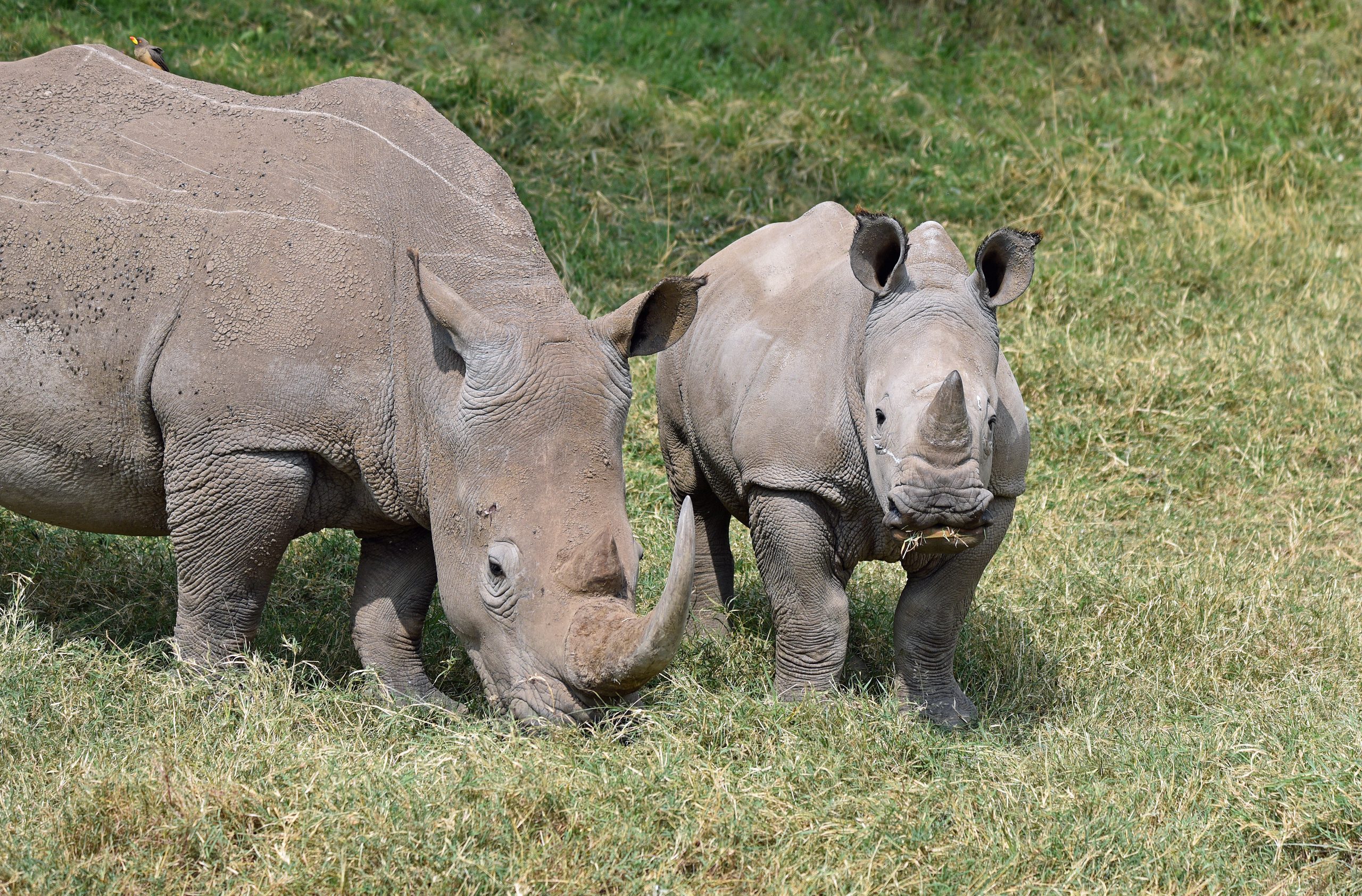
The black rhinoceros is one of Africa’s most critically endangered large mammals. Decades of illegal poaching for horn drove the species to the edge of extinction. Kenya’s conservation community has since led one of the continent’s most celebrated recovery programmes.
The Crisis Years
In 1970, an estimated 65,000 black rhinos ranged across sub-Saharan Africa. By 1993, fewer than 2,500 remained. Kenya’s population fell from around 20,000 to under 400 in the same period. The driver was organised, well-funded criminal networks targeting horn for Asian traditional medicine markets and carved ornaments.
How Recovery Happened
Kenya established rhino sanctuaries — fenced, intensively monitored areas within larger parks — in the late 1980s. Ol Pejeta Conservancy, Lewa Wildlife Conservancy, and Nairobi National Park became strongholds. Individual animals were radio-collared and monitored daily. Translocation moved genetically valuable individuals between sanctuaries to prevent inbreeding.
Nikos Pocock, Head Guide & Co-founder, Africa Calling Safaris
Ongoing Threats
Horn trafficking networks remain active. Climate change is altering browse availability in key habitats. Human-wildlife conflict at sanctuary boundaries creates pressure. The work is never finished: every generation of conservationists must recommit to the species.
Where is the best place to see black rhinos in Kenya?
Ol Pejeta Conservancy near Nanyuki has the largest population and offers dedicated rhino-tracking walks with rangers.
How do black and white rhinos differ?
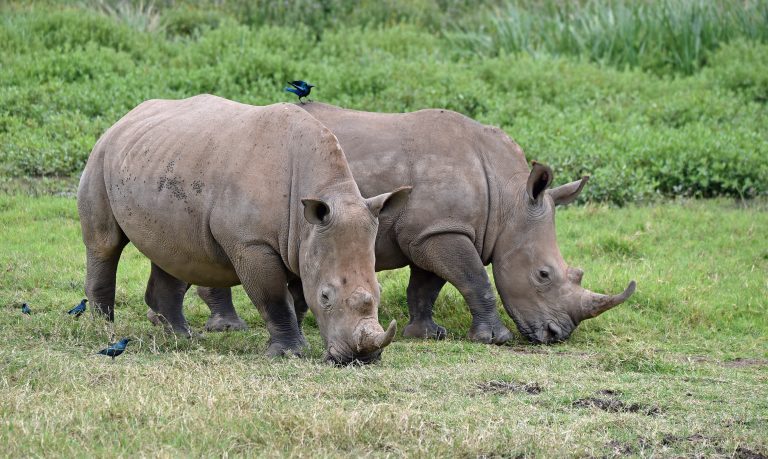
Black rhinos are browsers (leaves and shrubs) with a hooked upper lip; white rhinos are grazers with a wide, square lip. The colour names are misleading — both are grey.
Can visitors contribute to rhino conservation?
Conservancy fees fund anti-poaching directly. Organisations such as Save the Rhino and Ol Pejeta accept donations that support ranger salaries and monitoring technology.
Are rhino translocations still happening?
Yes. KWS oversees periodic translocations to manage genetics and expand range into suitable habitats.
Visited Africa Calling Safaris? We would love to hear your story.
Share Your ExperienceMore from Safari News
All stories-
Events & Conservation
Wildlife Corridors in Kenya: The Links That Keep Ecosystems Alive
Kenya’s national parks cover roughly 8% of the country’s land area. Wildlife, however, does not read boundary signs. Corridors — stretches of land linking protected areas — are the arteries keeping ecosystems…
-
Events & Conservation
Anti-Poaching Technology in Kenya: From Tracking to AI Prediction
Anti-poaching in East Africa has undergone a technological transformation over the past decade. The tools and techniques that wildlife rangers use to protect elephants, rhinos and other high-value species have shifted from…
-
Events & Conservation
Maasai Community Conservancies: Land, Wildlife and Revenue Sharing
The Maasai people of Kenya's southern Rift Valley and Mara ecosystem have lived alongside wildlife for centuries. Their semi-nomadic pastoralist culture, built on cattle-keeping across vast communal rangelands, created an incidental wildlife…