Choosing the Right Safari Vehicle: What Makes the Difference Between a Good Drive and a Great One
The vehicle you travel in on safari determines the quality of almost every wildlife encounter you will have. It governs how close you can approach animals, how many positions you can find for a clean sightline, how well your guide communicates with you in the field, and how comfortable you remain over the long hours between sightings that are an essential part of any real safari. Choosing the right vehicle is as important as choosing the right park.
The Standard: Toyota Land Cruiser
The Toyota Land Cruiser 78 series and the longer-wheelbase 79 series are the standard of East African safari vehicles. Their combination of ground clearance, four-wheel-drive capability, mechanical simplicity, and the availability of spare parts across the region makes them the vehicle of choice for nearly every serious safari operator. Properly converted, a Land Cruiser seats 4–6 passengers in individual seats, each at a window, with a raised pop-up roof that gives standing access for game viewing and photography.
The key conversion details to look for: seats that face outward toward each window rather than inward facing each other; a roof that opens completely or has large hatches rather than a single central one; individual 12V charging points for cameras and binoculars; a refrigerator for water and drinks; and a communications radio connecting the vehicle to camp and to other guides in the area.
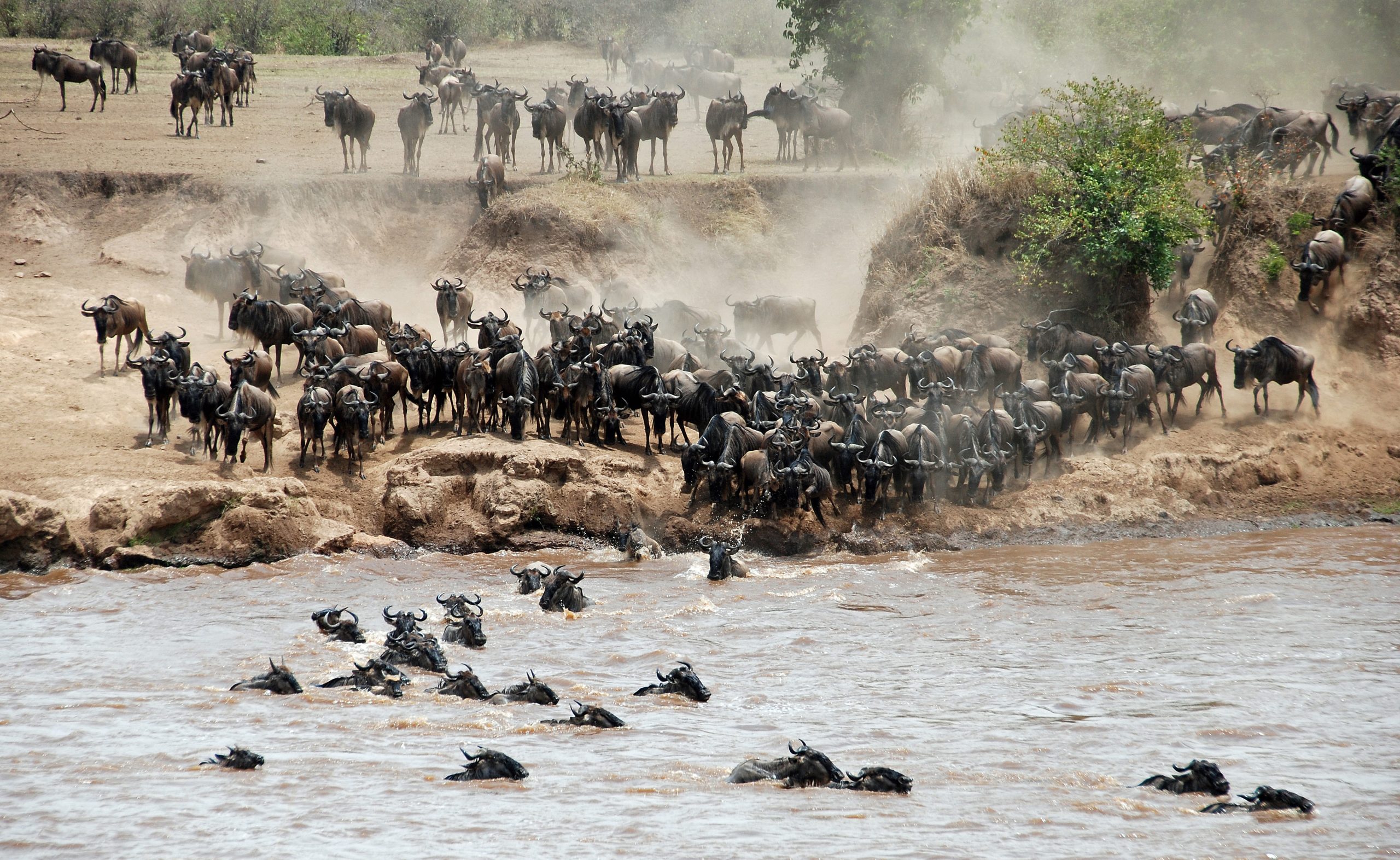
Africa Calling Safaris client feedback (2020–2024): 89% of clients rating their safari as “excellent” were travelling in a dedicated 4×4 with a pop-up roof and maximum four passengers. Of clients who rated their safari as “disappointing,” 64% cited limited visibility due to vehicle seating as a contributing factor.
Minibuses: The Compromise You Should Avoid
The 8-seater Toyota minibus (converted HiAce or similar) is common in budget safari operations across Kenya and Tanzania. For the cost-conscious traveller, it appears attractive. In practice, it is a significant compromise. The central seating rows mean that passengers in seats 3 and 4 cannot see clearly out of either side window. The vehicle sits lower to the ground, reducing sightlines over grass. The single pop-up roof hatch serves only 2–3 passengers at a time, creating constant jostling and frustration during the decisive moments of a sighting.
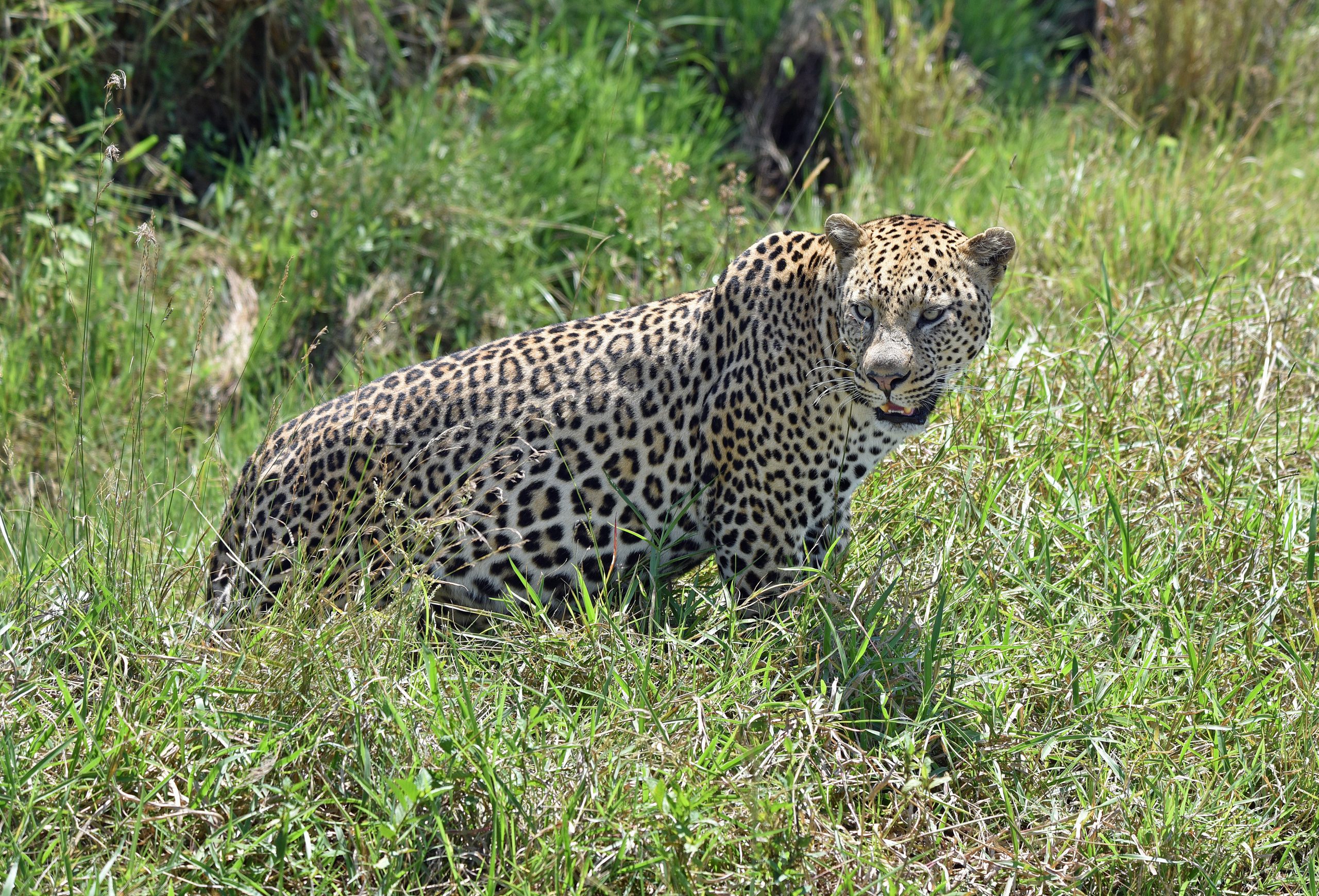
“I converted our last minibus to a Land Cruiser eight years ago and have not looked back. The difference in what clients see and photograph is not marginal — it is fundamental. A leopard in a tree is a completely different experience when all four passengers have an unobstructed view at the same moment. You cannot put a price on that, but you can certainly put a price on the regret of having missed it.”
Nikos Pocock — Managing Director, Africa Calling Safaris
Private vs Shared Vehicles
Private vehicle hire means you and your party have the Land Cruiser to yourselves. This is not merely a comfort preference — it has direct consequences for your wildlife experience. A private vehicle can stop where it chooses, stay as long as it chooses, and position itself exactly where the guide judges the light and angle to be best. A shared vehicle must accommodate the preferences of multiple strangers, and the driver must compromise on stopping time to maintain schedule.
What to Ask Before You Book
Before confirming any safari booking, ask your operator directly: What is the vehicle type and model year? How many passengers will be in the vehicle? Does the roof open fully or partially? Is there a fridge? Are there charging points at each seat? What communications does the vehicle carry? A reputable operator will answer these questions without hesitation. If the response is vague or defensive, treat it as a signal about the quality of the operation overall.
Frequently Asked Questions
Does it matter whether the vehicle is left-hand or right-hand drive?
In Kenya and Tanzania, vehicles drive on the left. Right-hand drive vehicles mean your guide is on the right side, closest to animals on the road shoulder. This is the conventional and preferable arrangement for guide-to-animal communication.
Can I request a specific seat?
Yes. For wildlife photography, the front-left passenger seat is often considered the best position: you have the broadest forward and side view and are closest to where the guide is looking. Discuss seating preferences with your operator before departure.
What should a converted Land Cruiser cost compared to a minibus?
A private Land Cruiser with full roof conversion costs more than a shared minibus, but the per-person cost when shared between 4 travellers is often comparable. The experience gap is disproportionately large relative to the price difference at the 4-person level.
Are electric safari vehicles available?
A small number of operators in southern Africa are trialling electric safari vehicles. In East Africa they remain rare due to charging infrastructure challenges in remote areas. This is an evolving space worth watching over the next decade.
Visited Africa Calling Safaris? We would love to hear your story.
Share Your ExperienceMore from Safari News
All stories-
Events & Conservation
Wildebeest Calving Season: Africa’s Greatest Birth Event
The wildebeest calving season is one of the Serengeti’s most extraordinary wildlife events — and one of the least known outside serious safari circles. Occurring between late January and March on the…
-
Travel Tips
Safari in a Small Aircraft: What to Expect on a Bush Flight
Flying between safari destinations in a small aircraft is, for many travellers, one of the most memorable parts of the trip. The experience is categorically different from commercial aviation — lower, slower,…
-
Events & Conservation
Reforestation Around the Masai Mara: How Tree Planting Saves the Migration
The land surrounding the Masai Mara has lost significant tree cover over the past four decades. Agricultural expansion, charcoal production, and population growth have degraded watershed forests that once regulated the Mara…