Kenya Safari Packing Guide: What to Bring and What to Leave Behind
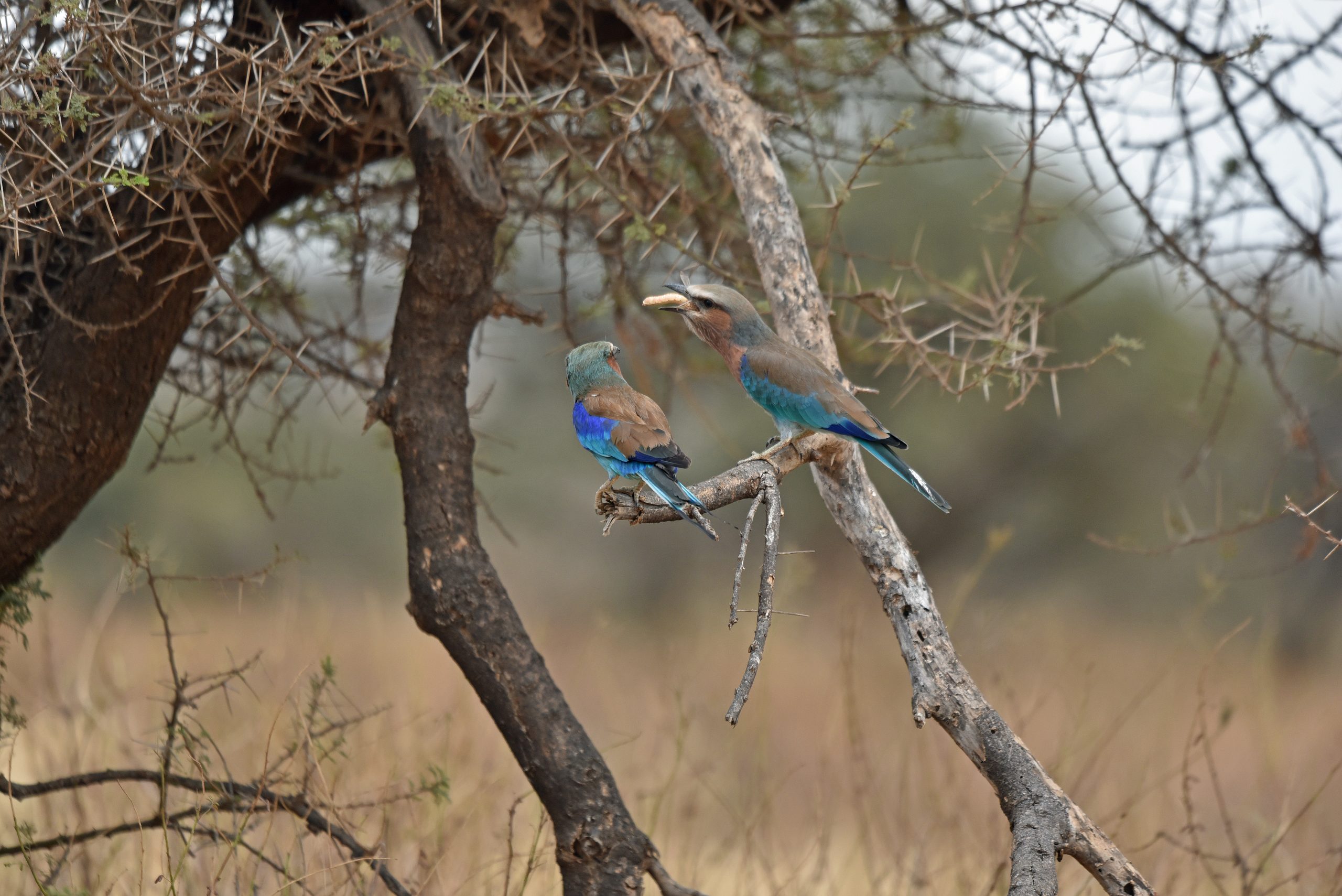
Packing well for a Kenya safari is a skill. Overpacking strains small aircraft weight limits and adds unnecessary heat. Underpacking leaves you sunburnt, cold at night, or without the lens you needed for that once-in-a-decade cheetah sprint.
Clothing Essentials
Safari vehicles are open to dust and wind. Pack lightweight trousers in khaki, olive, or tan — never bright colours that spook wildlife. Long sleeves protect against sun and tsetse flies. Bring a mid-layer fleece: Masai Mara mornings can drop to 12°C even in October. A wide-brim hat and UV-rated sunglasses complete daytime protection.
Optics and Electronics
A camera with a 300 mm or longer lens captures the images you came for. Bring twice the memory cards you think you need. Dust is relentless — a dry bag or camera cover is worth its small weight. Binoculars (8×42 or 10×42) are essential for identifying distant species and reading animal behaviour before a vehicle approach.
Nikos Pocock, Head Guide & Co-founder, Africa Calling Safaris
Health and Safety Items
Prescription malaria prophylaxis, a rehydration kit, high-SPF sunscreen, insect repellent with DEET, and a small first-aid kit are non-negotiable. A headlamp is useful for navigating camp at night. Store all medication in your hand baggage, not checked luggage.
Do I need to bring my own binoculars?
Reputable camps provide binoculars, but personal optics are always preferable. Knowing your own adjustments saves time during fast-moving sightings.
Is laundry available at camps?
Most lodges and tented camps offer same-day laundry, allowing you to pack fewer clothing items.
What footwear is best?
Closed-toe walking shoes or lightweight hiking boots for walking activities; sandals for camp. Flip-flops are not suitable outside lodge areas.
Should I bring US dollars or local currency?
USD is widely accepted at lodges and for tipping. Keep small denominations for guides and camp staff.
Visited Africa Calling Safaris? We would love to hear your story.
Share Your ExperienceMore from Safari News
All stories-
Events & Conservation
Wildlife Corridors in Kenya: The Links That Keep Ecosystems Alive
Kenya’s national parks cover roughly 8% of the country’s land area. Wildlife, however, does not read boundary signs. Corridors — stretches of land linking protected areas — are the arteries keeping ecosystems…
-
Travel Tips
Private vs Group Safari: Which Is Right for You?
Choosing between a private and a group safari fundamentally shapes your East Africa experience. Both have clear advantages, and the right choice depends on your travel style, budget, and goals. Key Message:…
-
Travel Tips
Nile Crocodile Behaviour: The Mara River’s Ancient Predator
The Nile crocodile (Crocodylus niloticus) is the apex aquatic predator of East Africa and one of the most ancient vertebrate lineages on Earth. The crocodiles of Kenya's Mara River have become among…