Kenya’s Green Season: How to Safari in the Short Rains
Kenya has two rainy seasons, and both are more useful for travellers than their reputation suggests. The short rains of October and November and the long rains of April and May transform the landscape into deep green, thin the tourist numbers significantly, and create photographic and wildlife conditions that the dry season rarely matches. Understanding what each season actually means for a safari allows you to make an informed choice rather than defaulting to the conventional July peak.
The Short Rains: October and November
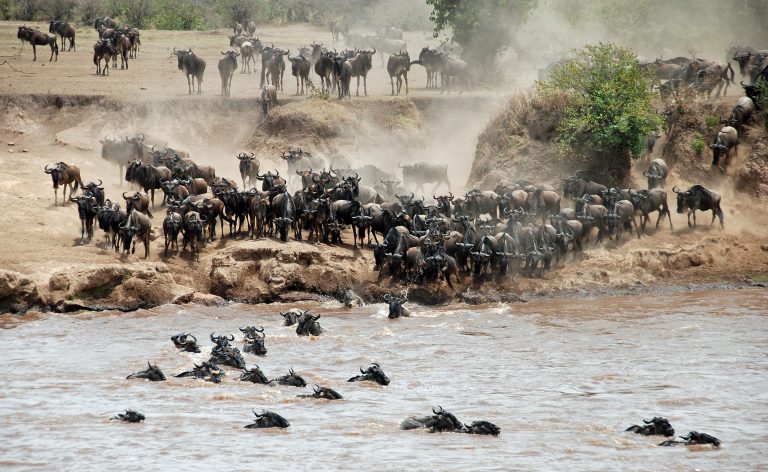
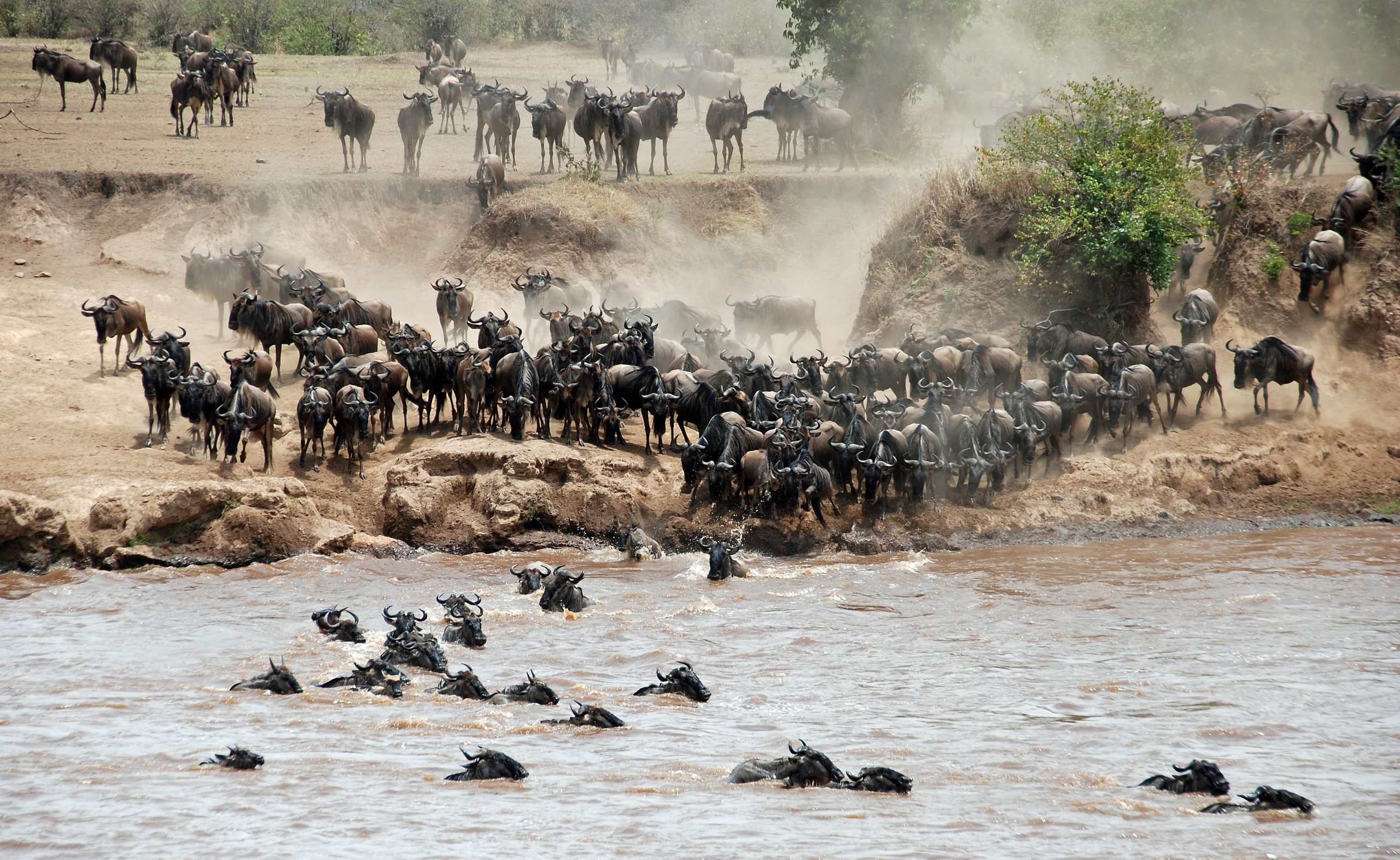
Kenya’s short rains typically arrive in mid-October and run to late November, with the heaviest rainfall usually concentrated in November. In the Masai Mara, average rainfall in October is 80–100 mm, falling predominantly in afternoon and evening thunderstorms that leave mornings clear and cool. The plains green up rapidly: within two weeks of the first rains, the burnt ochre of the dry season is replaced by vivid green grassland. Wildebeest and zebra that migrated to the Serengeti begin their return journey; calf and foal births in the local resident wildlife peak in November and December.
Africa Calling Safaris booking data (2020–2024): Clients who travelled during the October–November period rated their wildlife sightings at an average of 4.3 out of 5, compared to 4.5 for July–August. However, they rated overall value for money at 4.7 versus 3.9 for the peak season. The sighting quality gap is smaller than the price gap would suggest.
What to Expect: Practical Conditions
Game drives in the green season typically begin at 06:30 with overcast but dry skies. Morning drives of 4–5 hours are reliably dry in most years. Afternoon drives may be cut short by heavy rain, particularly in November. The photographic light in overcast conditions is excellent — even, diffuse and without the harsh shadows that make midday photography difficult in the dry season. Dramatic storm light at the end of afternoon drives produces spectacular landscape photography. Road conditions in the main parks remain good on the murram tracks; some of the more remote circuits in Samburu and Tsavo can become difficult after sustained heavy rain.
“My favourite time of year to be in the Mara is November. The light is extraordinary — dramatic skies, deep green grass, animals in beautiful condition after the first rains. And you have the landscape largely to yourself. I have had some of my finest photographic days in November on drives where I never encountered another vehicle.”
Nikos Pocock — Managing Director, Africa Calling Safaris
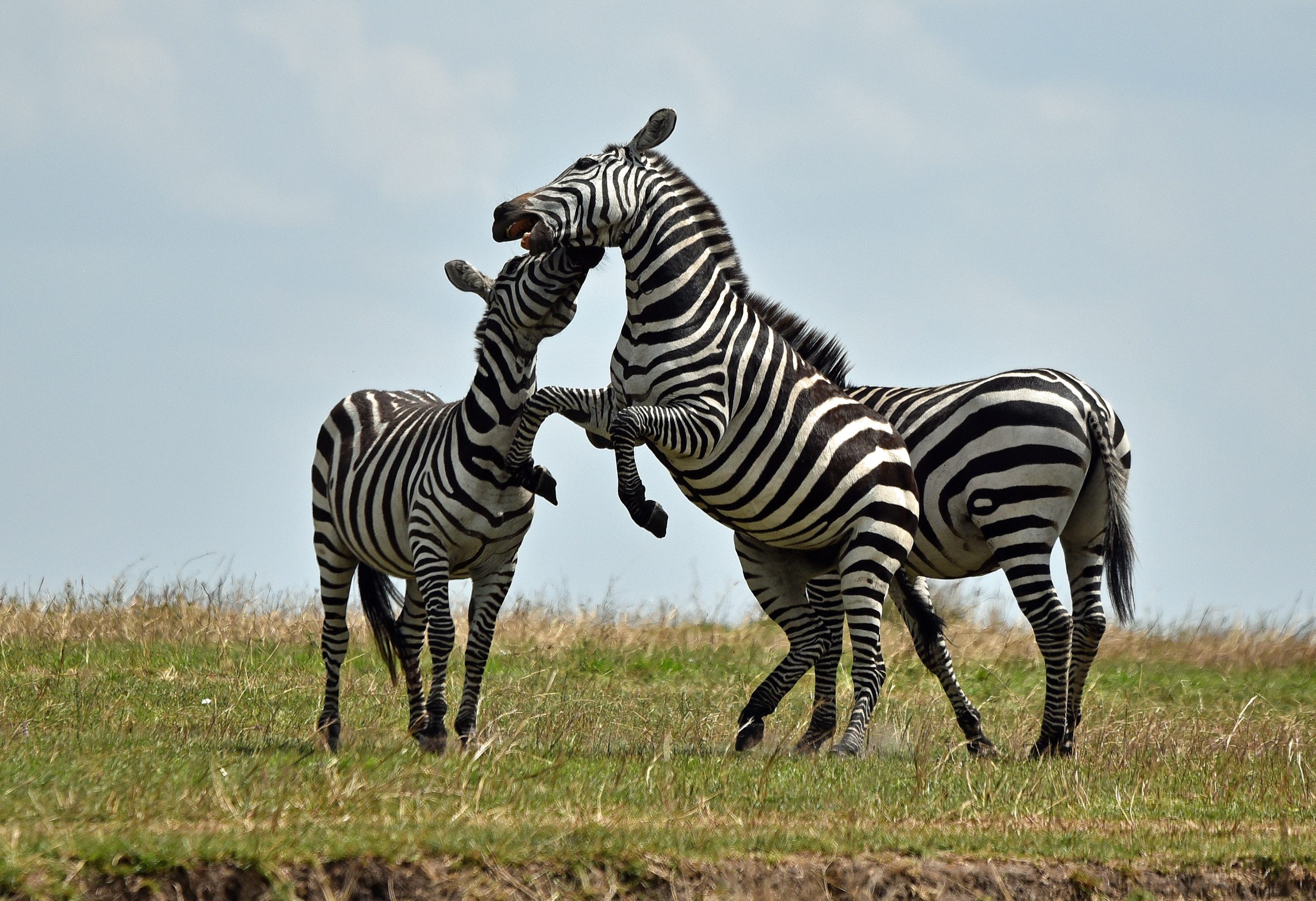
Wildlife in the Green Season
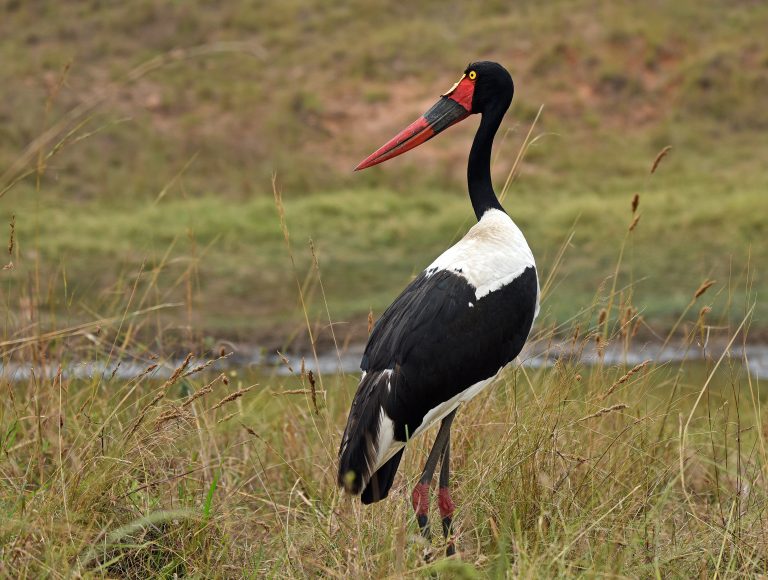
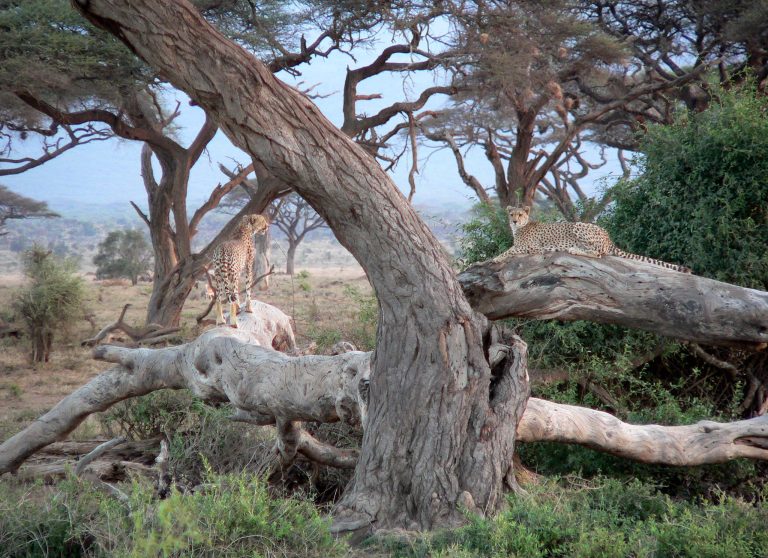
The green season is excellent for several specific wildlife experiences. Predator activity is high — lions, leopards and cheetahs are well-fed and active, with young cubs born in the preceding months visible at dens. The Masai Mara’s resident elephant families are highly visible at open water sources. Birdwatching reaches its annual peak as both resident and migratory species are present in maximum numbers from October onwards. The flamingo spectacle at Lake Nakuru and Lake Bogoria is reliable throughout the year and crowds at these sites are dramatically reduced in the green season.
Frequently Asked Questions
Is the Masai Mara worth visiting after the wildebeest migration has ended?
Yes, emphatically. The Masai Mara ecosystem supports one of the highest densities of year-round resident wildlife in Africa. Lions, leopards, cheetahs, elephants, giraffes and buffalos are present throughout the year. The migration is the headline event, but it is not the only reason to visit.
Will rain ruin my safari?
Short rain episodes rarely last more than 2–3 hours. Most camps have covered game-drive vehicles or ponchos available. A brief afternoon storm followed by golden evening light is a photographic opportunity, not an inconvenience.
Are prices lower in the green season?
Yes. Most camps and lodges reduce rates by 20–40% during October–November and April–May. Some close for maintenance in April and May (the heavier long rains), so options are fewer then. October and November have full camp availability.
What should I pack differently for a green season safari?
A lightweight waterproof jacket or poncho. Waterproof bags for camera equipment. Rubber boots or waterproof ankle gaiters if bush walks are planned. Insect repellent is more important in the green season as mosquito activity increases with standing water. Otherwise, packing is similar to the dry season.
Visited Africa Calling Safaris? We would love to hear your story.
Share Your ExperienceMore from Safari News
All stories-
Travel Tips
Lake Nakuru: Flamingos, Rhinos and the Rift Valley in One Park
Lake Nakuru in Kenya's Rift Valley is one of the most immediately spectacular wildlife destinations in Africa. On a good day, the entire shoreline of this shallow alkaline lake is stained pink…
-
Travel Tips
Safari Photography Equipment: What to Bring and Why
Safari photography has specific demands that differ significantly from urban or travel photography. The distances involved, the speed of wildlife action, the vehicle vibration, the dust and the extreme contrast between bright…
-
Travel Tips
The Wildebeest Migration: A Month-by-Month Timing Guide
The wildebeest migration is the largest overland movement of mammals on Earth: approximately 1.5 million wildebeest, 400,000 zebra and 200,000 Thomson's gazelle moving in a continuous circuit through the Serengeti-Masai Mara ecosystem…