Nairobi City Stopover: What to Do With 48 Hours in Kenya’s Capital
Nairobi is often dismissed as a transit city for safari travellers. This is a mistake. Kenya’s capital is one of sub-Saharan Africa’s most dynamic cities — a hub of finance, technology, conservation, and culture that rewards a day or two of exploration before or after the bush.
Wildlife in the City
Nairobi National Park is the only national park in the world that borders a capital city. A 15-minute drive from the city centre deposits visitors in open savannah with lions, rhinos, buffalo, giraffe, and over 400 bird species. The Sheldrick Wildlife Trust, adjacent to the park, runs a world-famous elephant orphan rehabilitation programme. Morning visits to the nursery include feedings with young orphans.
Food, Coffee, and Culture
Nairobi’s restaurant scene has developed rapidly, with Kenyan, Ethiopian, Japanese, and pan-African cuisine available at all price points. Westlands and Karen are the primary dining districts for visitors. The Karen Blixen Museum in the leafy Karen suburb — housed in the farmhouse that inspired “Out of Africa” — offers literary and colonial history in a beautiful garden setting.
Nikos Pocock, Head Guide & Co-founder, Africa Calling Safaris
Practical Stopover Logistics
Karen and Langata suburbs offer quieter, greener accommodation with good road access to the park and airport. Book transfers in advance — Nairobi traffic is unpredictable and journey times vary considerably by time of day.
Is it safe to walk in Nairobi?
City-centre walking is generally fine during daylight in business districts. Visitors are advised to use registered taxis or ride-hailing services (Uber and Bolt operate widely) for longer journeys and after dark.
How long does it take to reach the national park from the airport?
JKIA is adjacent to the national park’s eastern boundary. With a direct transfer, you can be on a game drive within 30 minutes of landing.
What is the best time of year for the Sheldrick elephant orphan visit?
The nursery is open to visitors daily between 11:00 and 12:00. The experience is consistent year-round; orphan numbers vary with poaching and drought cycles.
Can I take a day trip to Nairobi from the Masai Mara?
A 45-minute flight connects the Mara to Wilson Airport in Nairobi. Day trips are possible but most visitors build the city into their itinerary at the start or end of the trip.
Visited Africa Calling Safaris? We would love to hear your story.
Share Your ExperienceMore from Safari News
All stories-
Travel Tips
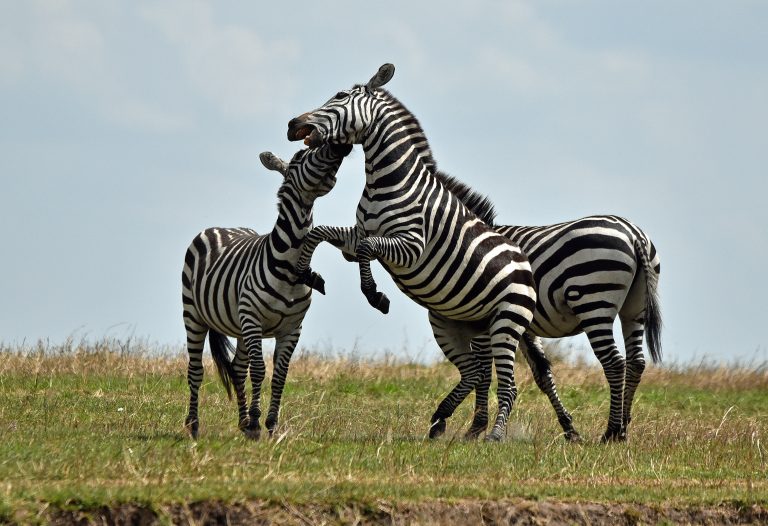
Zebra Migration in Kenya: The Movement Behind the Migration
Most visitors know about the wildebeest migration in the Masai Mara. Fewer realise that the world’s largest zebra migration happens in Botswana, and that Kenya hosts its own significant zebra movements that…
-
Travel Tips
Safari Lodges vs Tented Camps: Understanding the Difference
The choice between a fixed lodge and a classic tented camp shapes the texture of your safari more than almost any other decision. Both can deliver exceptional wildlife encounters, but the experience…
-
Travel Tips
Amboseli National Park: Elephants, Kilimanjaro, and Open Plains
Amboseli National Park sits at the foot of Mount Kilimanjaro, Africa’s highest mountain. The combination of open savannah, ancient volcanic soils, and permanent swamp fed by Kilimanjaro’s snowmelt creates one of East…