The Wildebeest Migration: A Month-by-Month Timing Guide
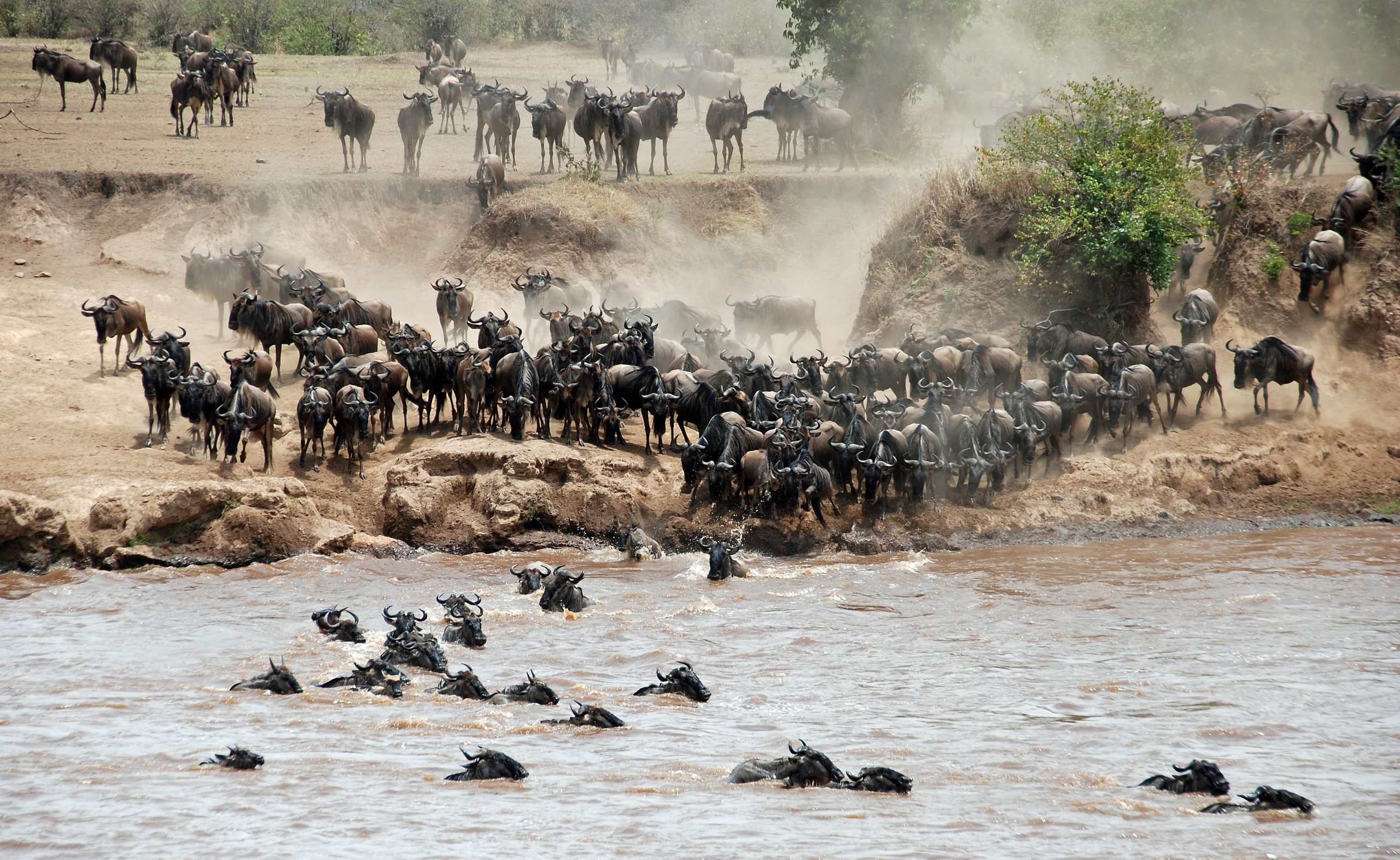
The wildebeest migration is the largest overland movement of mammals on Earth: approximately 1.5 million wildebeest, 400,000 zebra and 200,000 Thomson’s gazelle moving in a continuous circuit through the Serengeti-Masai Mara ecosystem in response to rainfall and grass availability. Understanding how to time a visit to observe the most dramatic phases of the migration is among the most common questions Africa Calling Safaris receives from prospective clients.
The Annual Circuit: Month by Month
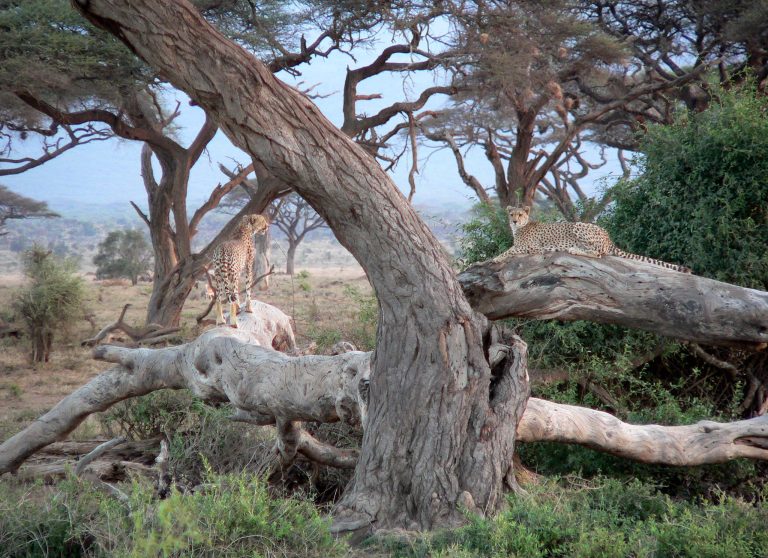
January–March: The herds are on the southern Serengeti and Ndutu short-grass plains, drawn by the nutritious volcanic-soil grasses essential for calf development. The calving season peaks in February, with up to 8,000 calves born per day at peak. This is the season of predator spectacle — lions, cheetahs, leopards, hyenas and wild dogs all concentrate on the calving grounds. The Ndutu area of the Serengeti is the access point.
April–May: The herds move westward and northward through the Serengeti’s western corridor. This is the long rains season — the migration itself continues regardless, but travel conditions in the western Serengeti can be challenging. The Grumeti River crossings begin to occur.
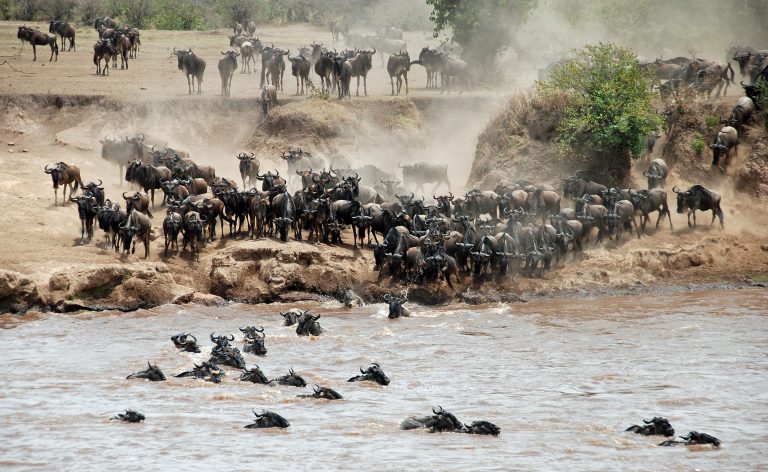
June–July: The herds reach the northern Serengeti. The first Mara River crossings begin, typically in early July. The herds enter the Masai Mara in Kenya. This is when the iconic river crossing photographs are taken. Predator activity is extremely high. This is the peak tourist season and camps are at full occupancy.
August–October: The herds are in the Masai Mara ecosystem. River crossings continue throughout this period, though frequency varies with rainfall and herd movement. By late October, the short rains trigger the return movement south. The herds exit the Mara in October and November.
November–December: The herds move through the Loliondo area east of the Serengeti, heading back to the southern short-grass plains. This transit is less well-known but can produce extraordinary encounters in the right location.
Serengeti National Park monitoring data (2023): The timing of Mara River crossings is highly variable year to year. In 2021, the first major crossing was recorded on 25 June. In 2022, it was 11 July. In 2023, crossing activity peaked in late August. Rainfall in the Masai Mara and the grass availability on the southern Serengeti are the primary drivers of timing, and neither is precisely predictable more than 2–3 weeks in advance.
“Every year I get clients who ask me to guarantee a river crossing. I always explain: the wildebeest do not read our booking confirmations. What I can guarantee is that if you spend five days in the Mara between July and October, the probability of a crossing is extremely high. We track the herds daily. We know when they are building at the crossing points. But the animals make the final decision.”
Nikos Pocock — Managing Director, Africa Calling Safaris
Frequently Asked Questions
How many wildebeest actually cross the Mara River?
The total number of wildebeest that cross the Mara River during a season is estimated at 300,000–500,000. They cross and re-cross multiple times. Individual crossing events range from a few hundred to tens of thousands of animals.
Do the zebra migrate with the wildebeest?
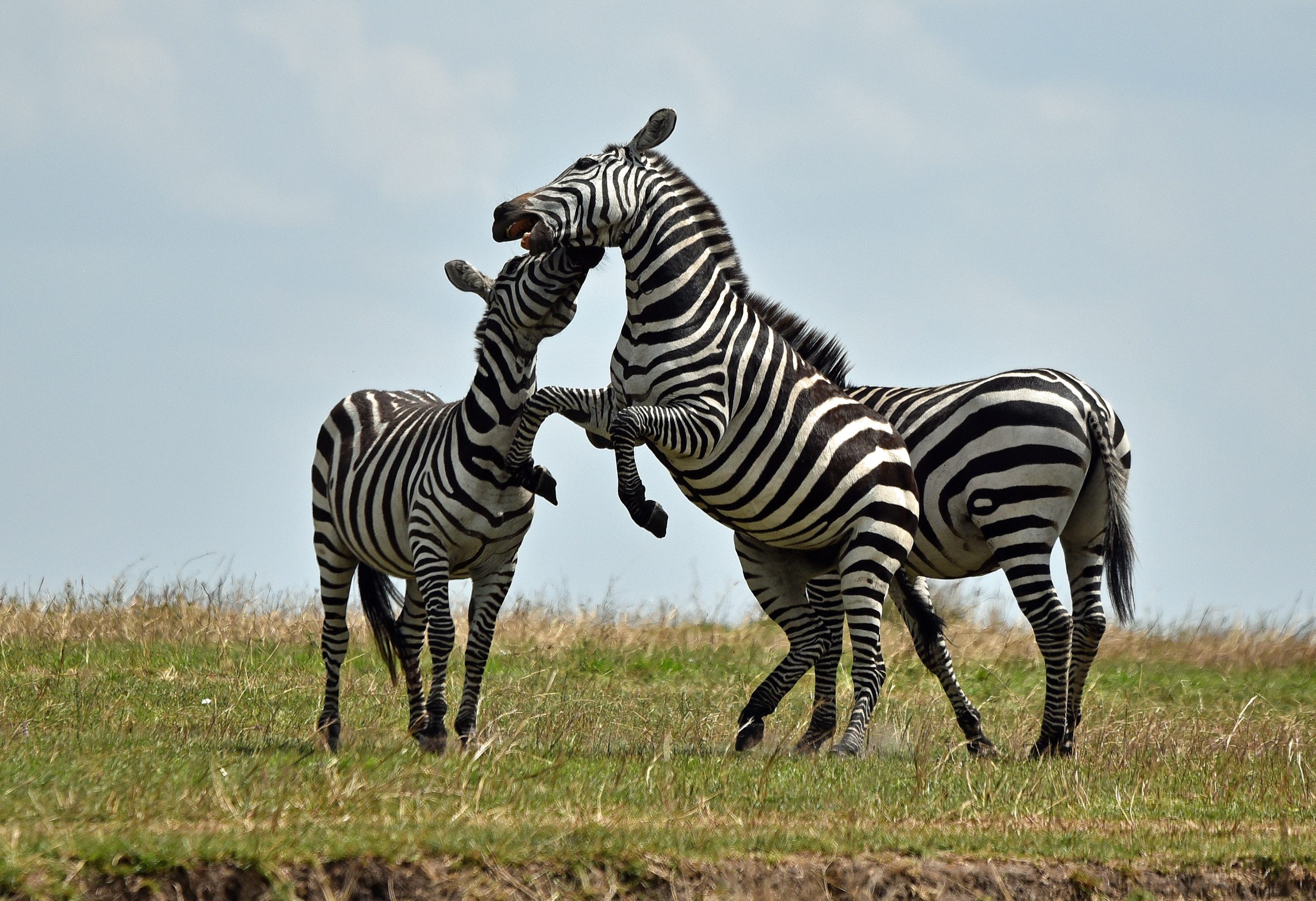
Yes. Plains zebra (Equus quagga) migrate in tandem with the wildebeest. They typically lead the northward march, arriving at water sources ahead of the wildebeest and eating the tall, coarse grass tops that wildebeest avoid. The two species complement each other ecologically.
Is the calving season as spectacular as the river crossings?
Different rather than lesser. The calving season lacks the dramatic intensity of a river crossing but compensates with sustained action spread across miles of open plains, extraordinary predator activity and the unique experience of watching thousands of hours-old calves take their first steps.
What kills most wildebeest during the migration?
Drowning during river crossings and predation account for some mortality, but the largest mortality event of the cycle is typically drought-related starvation during years of poor rainfall. An estimated 250,000 wildebeest die each year, with their carcasses providing a massive nutrient pulse to the ecosystem.
Visited Africa Calling Safaris? We would love to hear your story.
Share Your ExperienceMore from Safari News
All stories-
Travel Tips
Lake Nakuru: Flamingos, Rhinos and the Rift Valley in One Park
Lake Nakuru in Kenya's Rift Valley is one of the most immediately spectacular wildlife destinations in Africa. On a good day, the entire shoreline of this shallow alkaline lake is stained pink…
-
Travel Tips
Safari Photography Equipment: What to Bring and Why
Safari photography has specific demands that differ significantly from urban or travel photography. The distances involved, the speed of wildlife action, the vehicle vibration, the dust and the extreme contrast between bright…
-
Travel Tips
Kenya’s Green Season: How to Safari in the Short Rains
Kenya has two rainy seasons, and both are more useful for travellers than their reputation suggests. The short rains of October and November and the long rains of April and May transform…