Zebra Migration in Kenya: The Movement Behind the Migration
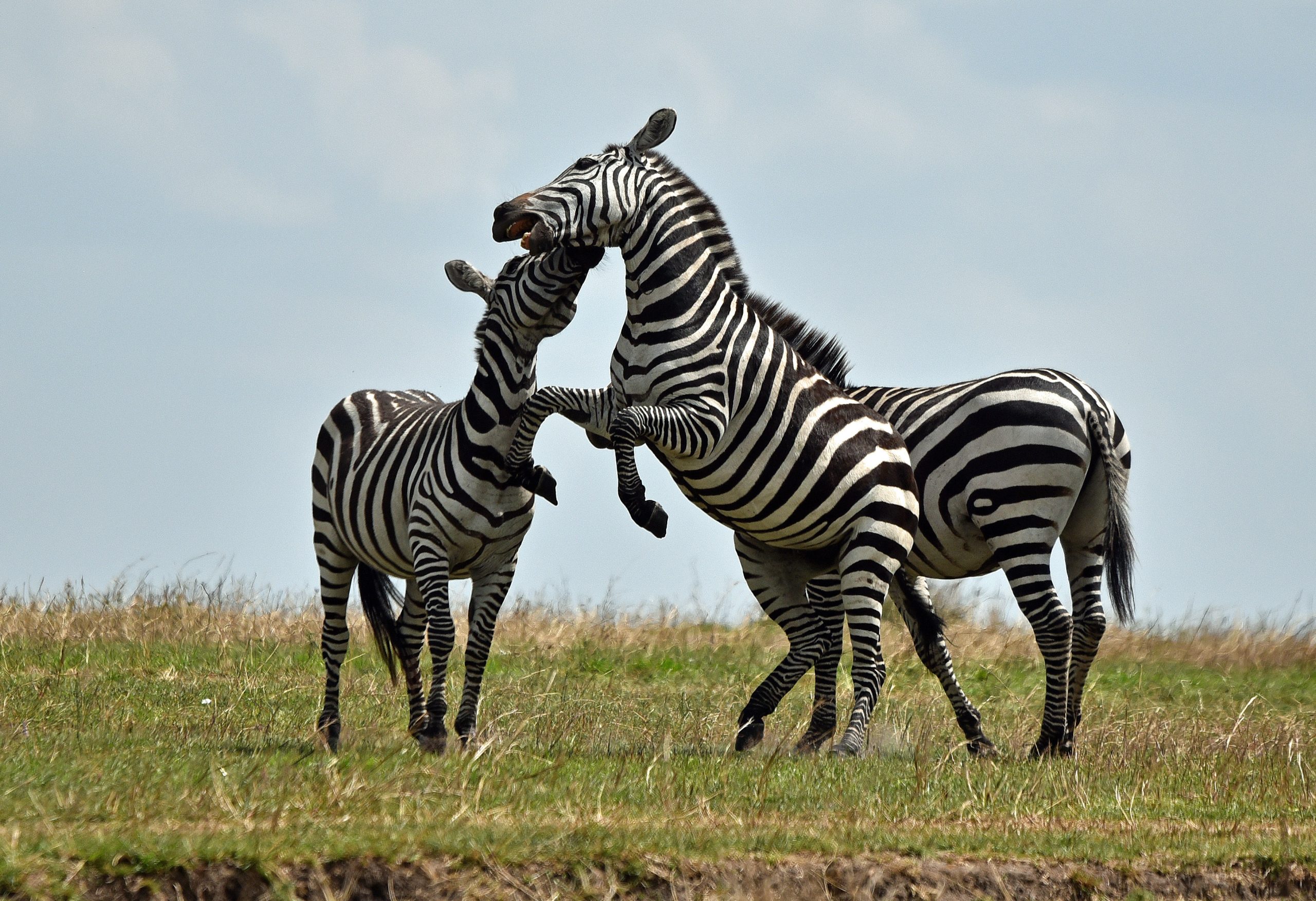
Most visitors know about the wildebeest migration in the Masai Mara. Fewer realise that the world’s largest zebra migration happens in Botswana, and that Kenya hosts its own significant zebra movements that transform the plains each season.
Zebra Ecology and Movement
Plains zebra — the species found across the Masai Mara, Amboseli, and Tsavo ecosystems — are obligate grazers that prefer short to medium grass. They track rainfall fronts across the landscape, moving ahead of long-grass die-off and following the fresh growth that follows localised showers. In the Mara ecosystem, zebra often precede wildebeest in the northward migration, their digestive systems processing coarser grass and clearing the way for more selective wildebeest.
Social Structure and Behaviour
Zebra live in stable family units of one stallion, several mares, and their young. These families cluster into larger herds during migration but maintain their social identity. Individual recognition relies on stripe patterns, which are as unique as human fingerprints. Foals imprint on their mother’s specific pattern within hours of birth, allowing identification in dense herds.
Nikos Pocock, Head Guide & Co-founder, Africa Calling Safaris
Conservation Status
Plains zebra are currently listed as Near Threatened. Agricultural expansion and fencing fragment their migration routes. The Kenyan government and NGOs work to maintain open corridors between protected areas specifically to allow large ungulate movements.
When is the best time to see zebra in the Masai Mara?
July to October brings large zebra herds into the Mara alongside the wildebeest migration. Smaller herds are resident year-round.
Do zebra cross the Mara River like wildebeest?
Yes. Zebra participate in river crossings, though they tend to test crossings more cautiously than wildebeest. Watching a zebra herd assess a crocodile-filled crossing is a fascinating example of collective risk assessment.
How do different zebra species compare?
Kenya has plains zebra (most common), Grevy’s zebra (endangered, found in northern Kenya), and mountain zebra (not found in Kenya). Each occupies a distinct ecological niche.
Are albino zebra real?
Partial leucism has been documented in zebra. A leucistic individual with very pale stripes was famously photographed in the Masai Mara in 2019.
Visited Africa Calling Safaris? We would love to hear your story.
Share Your ExperienceMore from Safari News
All stories-
Travel Tips
Safari Lodges vs Tented Camps: Understanding the Difference
The choice between a fixed lodge and a classic tented camp shapes the texture of your safari more than almost any other decision. Both can deliver exceptional wildlife encounters, but the experience…
-
Travel Tips
Amboseli National Park: Elephants, Kilimanjaro, and Open Plains
Amboseli National Park sits at the foot of Mount Kilimanjaro, Africa’s highest mountain. The combination of open savannah, ancient volcanic soils, and permanent swamp fed by Kilimanjaro’s snowmelt creates one of East…
-
Events & Conservation
Black Rhino Conservation in Kenya: A Recovery Story Still Being Written
The black rhinoceros is one of Africa’s most critically endangered large mammals. Decades of illegal poaching for horn drove the species to the edge of extinction. Kenya’s conservation community has since led…