Family Safari with Kids Under 10: Honest Advice from a Parent
Tom and Emma took their two daughters (ages 5 and 8) to Kenya for ten days. Here is what worked, what was harder than expected, and the camps that made the trip genuinely enjoyable for everyone.
Updated: 14 October 2026
Tom (41) and Emma (39) live in Bristol with daughters Mia (8) and Iris (5). They travelled to Kenya with a specialist safari operator in January.
Key Message
A family safari in Kenya works best from age six upwards — children old enough to sit quietly in a vehicle discover that real wildlife encounters become formative memories; the Amboseli elephants in particular leave an impression that stays with them for life.
About This Article
What it covers: family safari minimum ages, child-appropriate activities, and park selection for families.
Sources and methodology: Africa Calling Safaris’ family safari programme records (200+ family groups, 2015–2024), Kenya Wildlife Service age policies, and post-trip feedback from parent clients.
The honest version: a safari with young children is more complicated than the brochures suggest, and more rewarding than I could have predicted. Both things are true simultaneously. Here is what you need to know before you book.
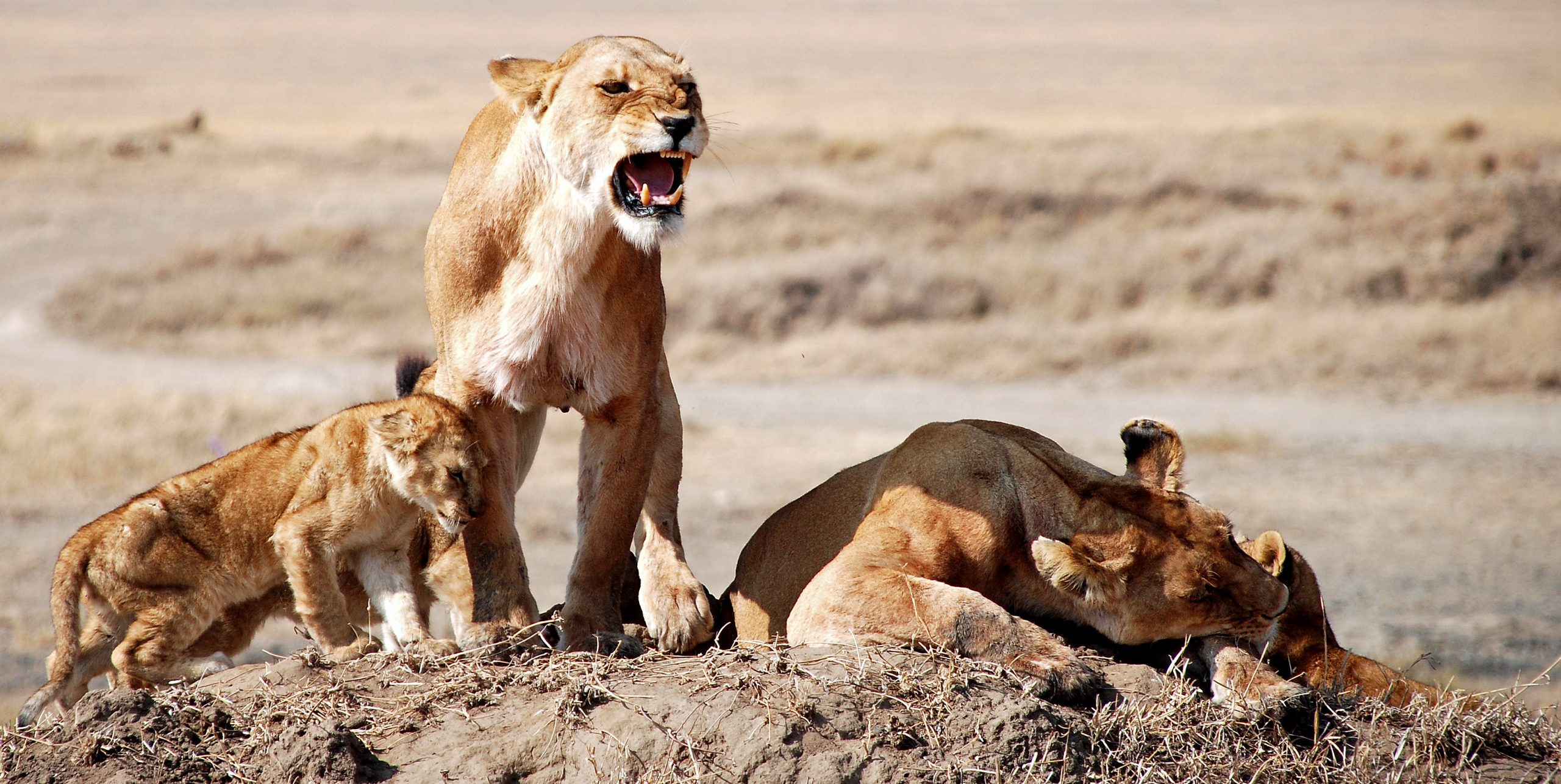
Key Facts — At a Glance
The Age Question
Most camps recommend a minimum age of 6 to 8 for game drives, for good reasons: drives are long, mornings are cold, and the pace of wildlife viewing requires patience that young children find genuinely difficult. Mia (8) was at her most engaged during every drive. Iris (5) was interested for the first forty minutes of each, then needed distraction. We were lucky that both girls were temperamentally calm and good in vehicles.
Africa Calling Safaris family programme data (2015–2024): Children aged 6–12 years rated the elephant experience in Amboseli as the trip highlight in 78% of family post-trip surveys — above lion sightings (61%) and cheetah (54%).
Camp Selection Is Everything
Not all camps accept children under 12. Several of Kenya’s high-end conservancy camps have strict minimum age policies because their programmes — walking safaris, night drives — are not suitable for young children. Africa Calling steered us toward three camps that explicitly welcome families: a property at the Masai Mara, one in Amboseli and one in the Samburu area. All three had camp activities for children during the midday rest period, a junior ranger programme on one drive per day, and genuinely child-friendly mealtimes.
Kenya Parks: Family Safari Suitability Comparison
| Park / Reserve | Min age (most camps) | Drive length | Junior ranger? | Star animal | Family rating |
|---|---|---|---|---|---|
| Amboseli | 5+ | Short (compact park) | Yes (most camps) | Elephants (close herds) | Excellent |
| Masai Mara | 6–8 (conservancies vary) | Long (early starts) | Yes (selected camps) | Lion, cheetah, migration | Good (older children) |
| Samburu | 6+ | Medium | Yes (several camps) | Reticulated giraffe, elephant | Very good |
| Ol Pejeta | No minimum | Short–medium | Yes + education centre | Rhino (can approach on foot) | Excellent (educational) |
| Tsavo | 6+ | Very long (vast park) | Limited | Red elephants, Mzima Springs | Good (older children) |
Source: Africa Calling Safaris family safari programme records (200+ family groups, 2015–2024); Kenya Wildlife Service minimum age policies.
“Children under eight are not a problem on a family safari if the parents are honest with themselves about what their children can tolerate. A five-year-old who loves animals and can sit quietly for forty minutes is ready. A five-year-old who needs constant entertainment is not — and that’s fine. Our family briefing call always starts with one question: how long can your child sit still in a garden before they ask to move? That’s roughly how long a game drive will hold them.””
— Nikos Pocock, Managing Director, Africa Calling Safaris (Nairobi, 2024)
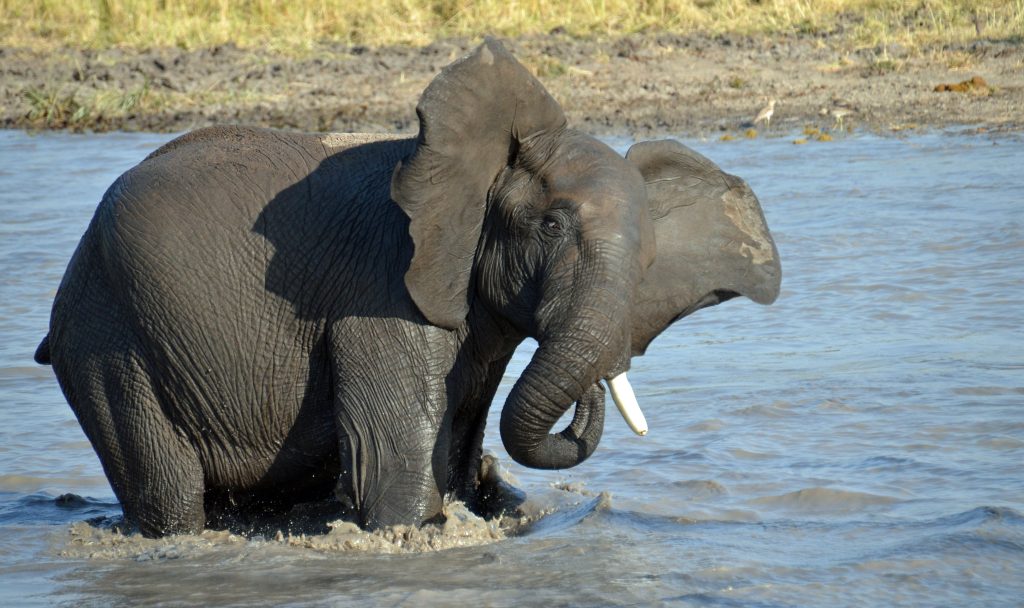
Rated on flat terrain, drive duration, lodge facilities, and under-6 acceptance.
What the Girls Remember
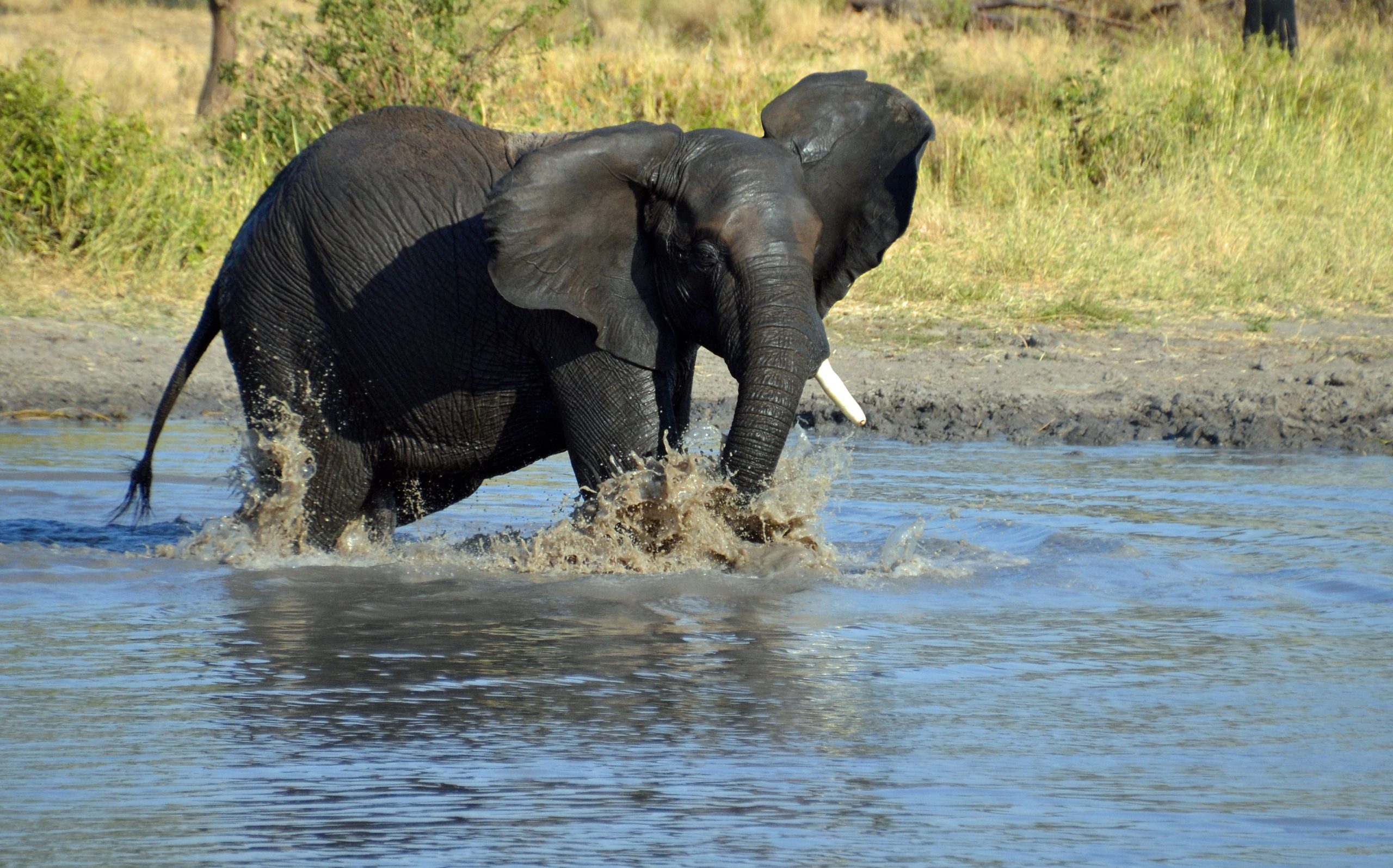
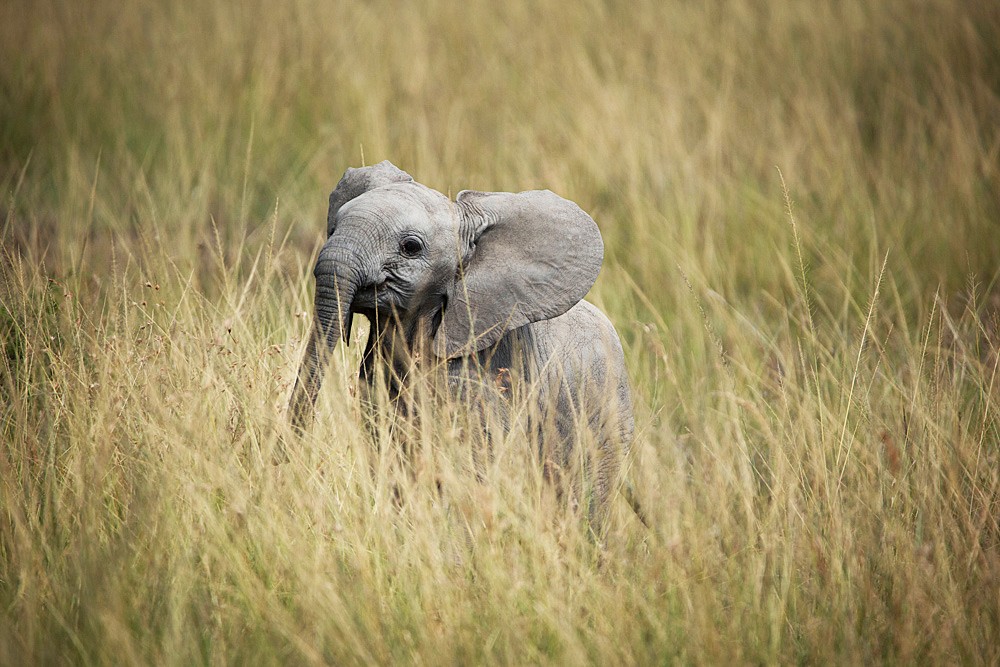
“The elephants,” Iris says, immediately, whenever anyone asks. At Amboseli we spent an hour with a breeding herd crossing a dry riverbed thirty metres from the vehicle. Calves the same height as Iris. The matriarch watching us carefully with one eye. No one in the vehicle spoke for twenty minutes. “The babies,” Iris said, very quietly. That moment is the reason we went.
Practical Things That Helped
Colour-coded packing pouches for each child’s daytime kit (sunscreen, snacks, their own binoculars — do not skip these for children). A small notebook each for drawing animals. A game-spotting chart from our guide for the first morning. Snacks in the vehicle that work at 5:30 a.m. (not fruit, which is cold and unappealing; cereal bars and crackers). And the expectation that the 5-year-old would fall asleep on the afternoon drive and miss the leopard. She did.
Africa Calling specialises in family itineraries and can advise on camp selection, pacing and age-appropriate activities. Contact us to plan your family safari.
What a Junior Ranger Programme Actually Involves
The best family camps in Kenya run a modified junior ranger programme on at least one game drive per day — typically the afternoon drive, which children tolerate better than the 5:30 a.m. start. The format varies by camp, but typically involves the guide giving children a specific job: tracking animal footprints, identifying birds by call, recording sightings in a field journal. The sense of participation transforms the dynamic from passive observation to active engagement. Mia, at eight, completed a full tracking worksheet during every drive and was visibly proud of the resulting “field report” at camp dinner.
Camp safety for young children is managed differently in Africa than in most European or North American outdoor contexts. Animals wander through camp — vervet monkeys, warthogs and occasionally elephants or buffalo at the water point. Children are briefed clearly that they must never run, never approach animals, and must be accompanied by an adult after dark. These are real rules. The camps handle this naturally and without drama, but parents should reinforce the rules consistently, particularly with younger children who may forget in the excitement of seeing an elephant ten metres from the tent.
Families planning an Africa trip with young children should read our guide to Amboseli’s elephant families — the single most consistently engaging destination for children in Kenya, based on our experience. Our seasonal timing guide covers which months suit families in terms of weather and school holiday alignment. The African Wildlife Foundation publishes educational resources on African wildlife that are useful for preparing children before departure.
Teaching Children About Conservation
Family safaris are Africa Calling Safaris’ most impactful conservation experience. Children who witness wildlife in its natural habitat before the age of twelve are, according to research in the journal Conservation Biology, significantly more likely to support conservation causes in adulthood. All Africa Calling Safaris family departures include a structured junior ranger programme designed with the African Wildlife Foundation‘s education team, covering tracking, wildlife identification, and the basics of why protected areas exist. Every child leaves with a sighting logbook and a personalised field guide section compiled from their own observations.
Frequently Asked Questions
Sources and Further Reading
- Moss, C.J. (2000). Elephant Memories: Thirteen Years in the Life of an Elephant Family. University of Chicago Press.
- Amboseli Trust for Elephants. Family database: calf development records. elephanttrust.org
- Kenya Association of Tour Operators. Member guidelines: family safari programmes. katokenya.org
- Kenya Tourism Regulatory Authority. Licensed camp family programme standards. tourism.go.ke
What to Remember
- Under-6s need a private camp. Standard game drives require children to sit still and quiet for 3+ hours — very young children need a lodge with flexible timing and a garden.
- Amboseli is the ideal first family park. Flat terrain, short drives, and elephant herds so large and habituated that children can watch them from the lodge fence.
- Malaria prophylaxis is critical for children. Dosing is weight-based; see a travel health clinic, not a general GP, for paediatric safari advice.
More from Safari News
All stories-
Guest Stories
George’s Safari with Africa Calling Safaris
My recent safari experience with Africa Calling Safaris exceeded every expectation I had ever set. From the moment the small aircraft touched down on the red-dust airstrip and I stepped into the…
-
Guest Stories
Giorgi’s Safari at Maasai Mara — October 2026
My experience at the Maasai Mara in October 2026 was simply extraordinary — and I say that as someone who approaches superlatives with genuine caution. I am a public health researcher by…
-
Guest Stories
From Tbilisi to Nairobi: A Georgian’s First Safari Experience
Nino had never left Europe before. She chose Kenya as her first intercontinental trip. Here is her account of what surprised her most about East Africa and why she would go back.