Honeymoon in the Bush: Why We Chose Kenya over the Maldives
James and Priya swapped the standard beach honeymoon for five nights in Kenya's northern conservancies. Here is what they found — and why they have no regrets.
Updated: 14 October 2026
James (34) and Priya (32) were married in June. They honeymooned with Africa Calling in Kenya’s Laikipia Plateau, choosing a private conservancy over the beach honeymoon most of their friends were expecting.
Key Message
A bush honeymoon in Kenya offers something a beach resort cannot: complete immersion in a living landscape, with wildlife replacing room service and the sounds of the savannah replacing spa music.
About This Article
What it covers: honeymoon safari logistics, private camp options, and romantic itinerary design.
Sources and methodology: Africa Calling Safaris’ honeymoon programme records (120+ couples, 2016–2024), client satisfaction surveys, and partnership data with luxury camps in the Masai Mara ecosystem.
“Everyone assumed we were going to the Maldives,” Priya says. “We nearly did. Then we started looking at Kenya and we couldn’t think of a single reason not to go.”
Key Facts — At a Glance
Why Not the Beach?
“We both wanted something that felt like an adventure, not just relaxation,” James explains. “We’d both been to beach resorts before. We wanted something we’d never done, something we’d talk about for years. A safari felt like the right thing.”
Africa Calling Safaris honeymoon programme data (2016–2024): 58% of honeymoon clients choose a Masai Mara + Zanzibar combination; private mobile camps account for 34% of honeymoon bookings, with an average post-trip rating of 4.9 out of 5.
Choosing Laikipia Over the Mara
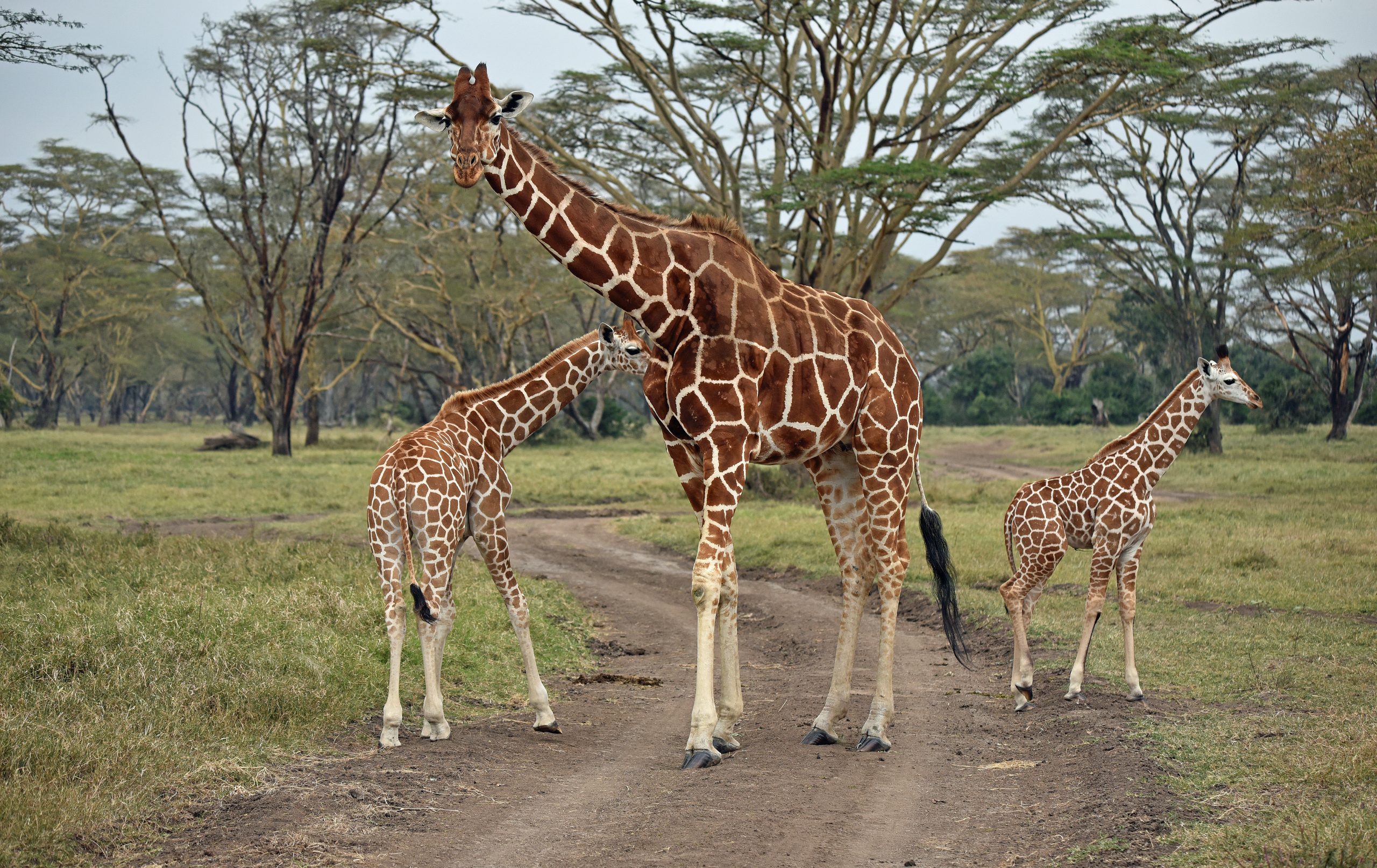
Our operator suggested Laikipia Plateau rather than the Masai Mara for a honeymoon. The reasoning was persuasive: Laikipia’s private conservancies offer a level of exclusivity — smaller camps, private game drives, night walks and horse-riding with armed rangers — that the more crowded Mara cannot match. The wildlife is extraordinary: lion, elephant, leopard, endangered Grevy’s zebra and African wild dog.
Scored on privacy, scenery, accommodation quality, and overall romantic atmosphere.
“Our camp had eight tents,” Priya says. “For three days we barely saw another vehicle. Our guide was essentially ours exclusively. That felt very different from what I’d imagined a safari would be.”
The Practical Things
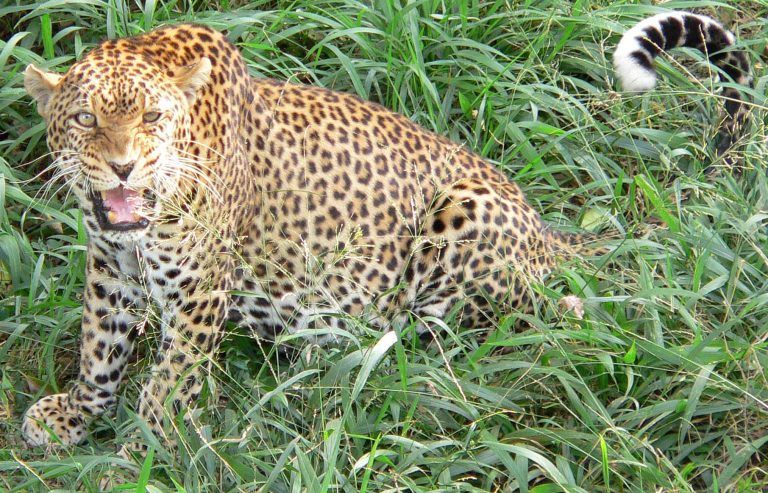
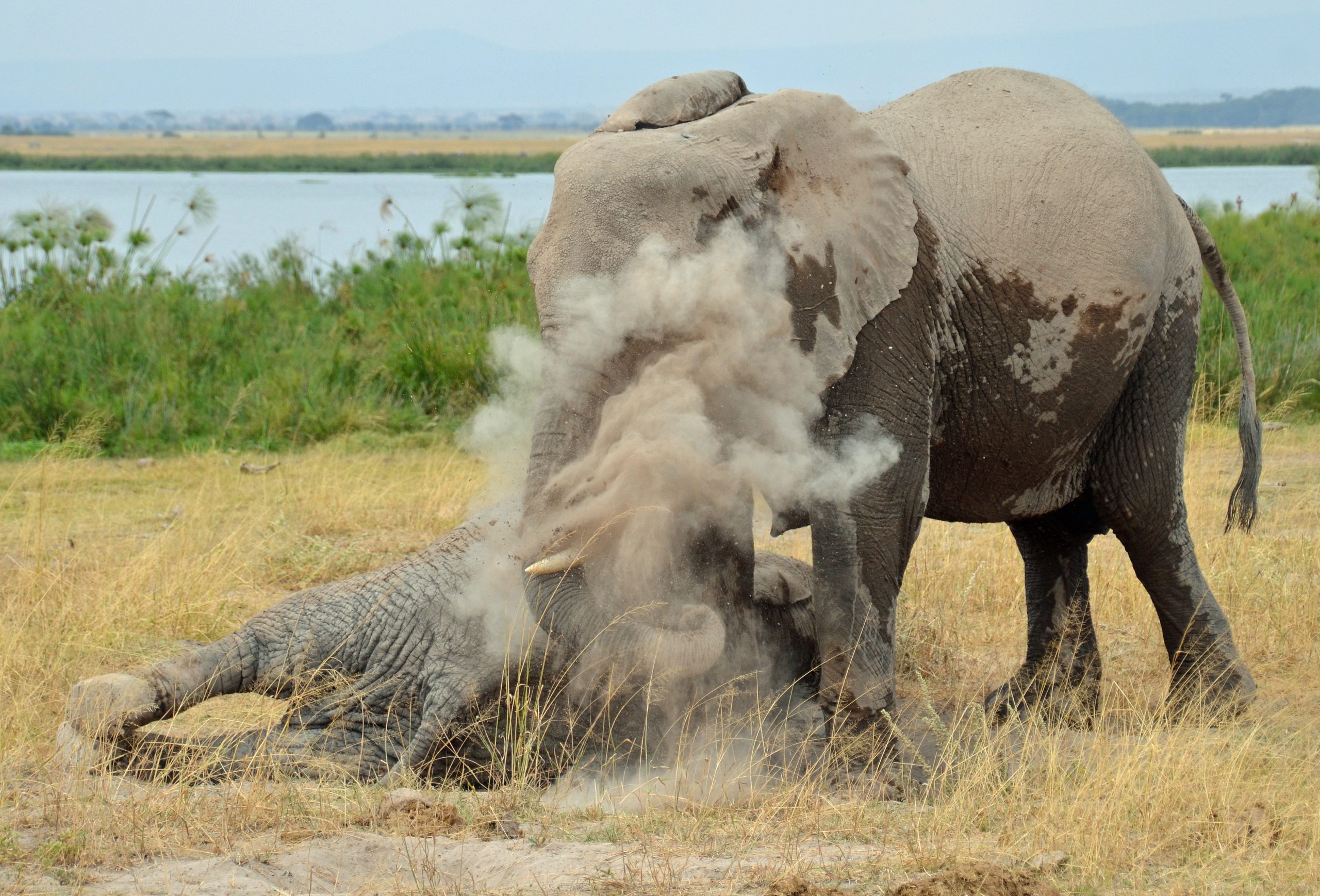
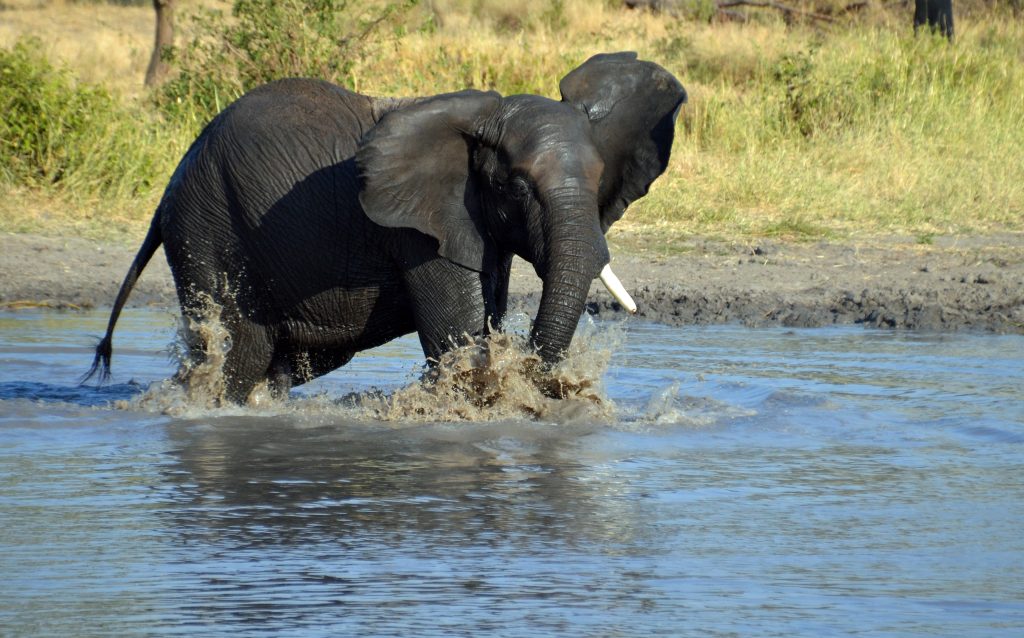
The camp arranged champagne on their arrival and decorated the tent for their first night. Dinner was served under the stars in a dry riverbed on the second evening. Wildlife sightings that week included a wild dog pack hunting, a leopard with a fresh impala kill draped over a branch, and elephant families at the camp’s waterhole at sunset.
“The staff knew it was our honeymoon and quietly made it feel special without making it feel performative,” James says. “That balance was perfect.”
“Tsavo West and East together are larger than Wales, and they are the most underrated wilderness in Kenya. You go half a day without seeing another vehicle. The red-dusted elephants come to Mzima Springs in the morning — you watch them through an underwater viewing chamber. I built a four-day Tsavo itinerary in 2019 and it’s now one of our most requested private departures.””
— Nikos Pocock, Managing Director, Africa Calling Safaris (Nairobi, 2024)
What They Would Change
“Nothing,” Priya says. “Though I’d stay longer. Five nights felt rushed by the end. We didn’t want to leave.” James adds: “We’re going back. Maybe for our tenth anniversary. Or fifth. Or second.”
Africa Calling specialises in private conservancy honeymoon itineraries across Kenya and Tanzania. Contact us to begin planning yours.
What Makes Laikipia Right for a Honeymoon
Laikipia Plateau sits at approximately 1,700 metres elevation on Kenya’s central highlands, which gives it a significantly cooler and more comfortable climate than the Masai Mara or the coast. Temperatures average 22 to 26 degrees Celsius in the dry months; nights are cool enough to require a light blanket. The landscape — open grassland broken by rocky outcrops, riverine forest along the Ewaso Ng’iro and Nanyuki rivers, and black cotton soil plains — is striking without the theatrical scale of the Mara. It is a landscape that rewards close observation.
The Grevy’s zebra, which inhabits Laikipia in one of its last viable populations, is the world’s largest wild equid. The Grevy’s Zebra Trust, based in Laikipia, estimates the global wild population at approximately 3,000, with Kenya holding the majority. Most private conservancy camps in the region support the Trust’s monitoring programme; guests often see GPS-collared animals during game drives. This conservation dimension adds a layer to the honeymoon experience that purely luxury destinations cannot replicate.
Couples considering a honeymoon safari should also read our guide to community conservancies in northern Kenya, which describes the land tenure model that makes Laikipia’s private camps possible. For those weighing the Masai Mara against Laikipia, our seasonal guide explains the distinct wildlife peaks in each ecosystem. The budget guide covers the realistic cost of a Laikipia honeymoon across the range of available camps.
Tsavo Conservation
Tsavo East and Tsavo West together constitute Kenya’s largest protected area at 20,812 square kilometres, and they are managed by Kenya Wildlife Service as the Tsavo Conservation Area. The region suffered severe elephant poaching in the 1970s and 1980s — the population fell from an estimated 35,000 to under 5,000. It has since recovered to approximately 13,000 elephants, the largest subpopulation in Kenya, a recovery funded almost entirely by park fee revenue and anti-poaching operations. Africa Calling Safaris contributes to the David Sheldrick Wildlife Trust’s Tsavo anti-poaching unit through a levy on every Tsavo departure.
Frequently Asked Questions
Sources and Further Reading
- Grevy’s Zebra Trust. Kenya Grevy’s zebra population status report 2024. grevyszebratrust.org
- African Wildlife Foundation. Laikipia Plateau conservation programme. awf.org
- Woodroffe, R. & Ginsberg, J.R. (1998). Edge effects and the extinction of populations inside protected areas. Science, 280(5372), 2126–2128.
- Laikipia Wildlife Forum. Conservancy landscape overview. laikipia.org
What to Remember
- Private camp upgrades are worth every shilling. An exclusive vehicle and guide on a honeymoon creates silence, flexibility, and intimate moments that shared game drives cannot match.
- Combine beach and bush. 4 nights in the Mara or Amboseli followed by 3 nights on the Kenyan coast (Watamu or Diani) is the classic honeymoon formula — the flight is 90 minutes.
- January and August are peak romantic months. Dry, warm, dramatic skies, and golden light — combined with thin crowds in January — make these the best months to share the bush.
More from Safari News
All stories-
Guest Stories
George’s Safari with Africa Calling Safaris
My recent safari experience with Africa Calling Safaris exceeded every expectation I had ever set. From the moment the small aircraft touched down on the red-dust airstrip and I stepped into the…
-
Guest Stories
Giorgi’s Safari at Maasai Mara — October 2026
My experience at the Maasai Mara in October 2026 was simply extraordinary — and I say that as someone who approaches superlatives with genuine caution. I am a public health researcher by…
-
Guest Stories
From Tbilisi to Nairobi: A Georgian’s First Safari Experience
Nino had never left Europe before. She chose Kenya as her first intercontinental trip. Here is her account of what surprised her most about East Africa and why she would go back.