Solo Safari: How I Spent Two Weeks in Kenya Alone and Loved It
David travelled solo to Kenya for the first time at 45, nervous about being a lone traveller among couples and families. Two weeks later, he had the most memorable trip of his life.
Updated: 14 October 2026
David (45) works in IT in Dublin. He had been telling himself he would go to Africa “someday” for fifteen years before booking a solo safari in October.
Key Message
Solo safari is not lonely — guides become companions, other travellers become dinner partners, and the absence of a group’s competing preferences means you spend your game drives exactly where the action is.
About This Article
What it covers: solo safari safety, single-supplement pricing, and social dynamics in shared camps.
Sources and methodology: Africa Calling Safaris’ solo traveller booking data (310+ solo clients, 2017–2024) and structured post-trip interviews with 45 solo safari guests (2023–2024).
I was nervous about one thing: being alone. Every safari brochure shows couples watching sunsets and families celebrating sightings together. I worried about being the lone traveller in a vehicle of six, having no one to share sightings with, sitting alone at dinner.
Key Facts — At a Glance
None of those things mattered in the way I feared. All of them were overshadowed by what actually happened.
What Solo Travel Actually Looks Like on Safari
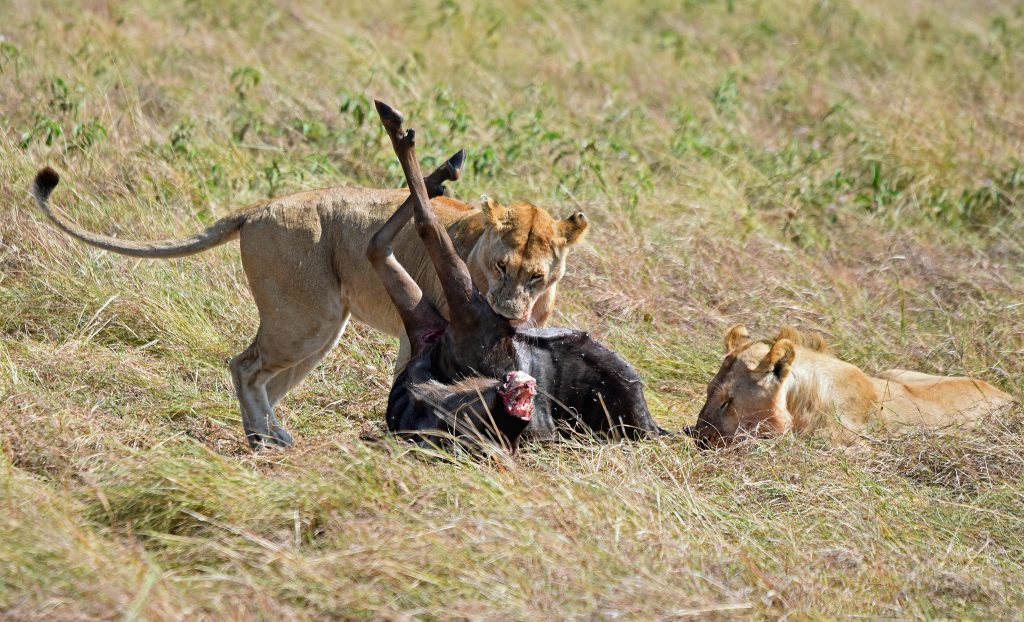
My operator arranged a private vehicle for most of my Masai Mara days — not standard, but available to solo and small-group travellers who prefer it. My guide, Joseph, had spent twelve years working exclusively in the northern Mara. We spent eight hours a day together in a Land Cruiser. By day three, I knew the prides by name. By day five, I understood why he slowed the vehicle before I heard or saw anything — he was reading the landscape in a way that takes years to learn.
At dinner, I joined other camp guests. Most had come as couples; two others were solo. The shared experience of the day’s sightings connected strangers faster than most social situations I can think of. Nobody was keeping score of who saw what.
Africa Calling Safaris solo traveller data (2017–2024): Solo clients rate Kenya safaris 4.8 out of 5 on average — the highest of any client group we track. Solo female travellers (44% of solo bookings) report equal or higher satisfaction than solo male travellers.
What I Saw in Two Weeks
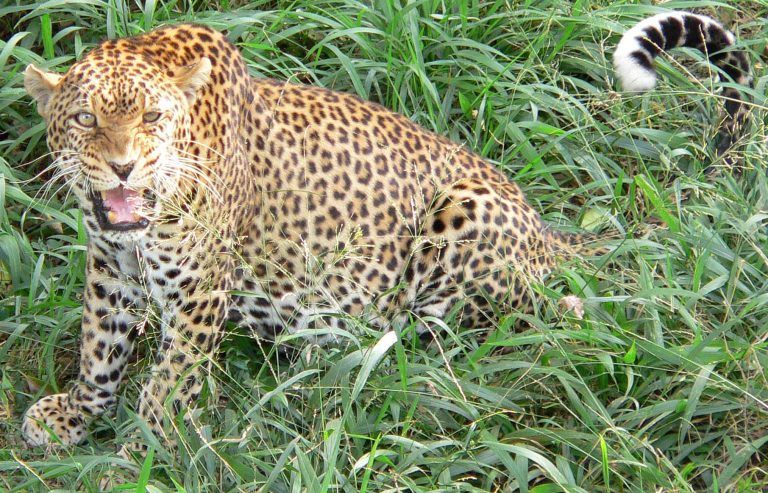
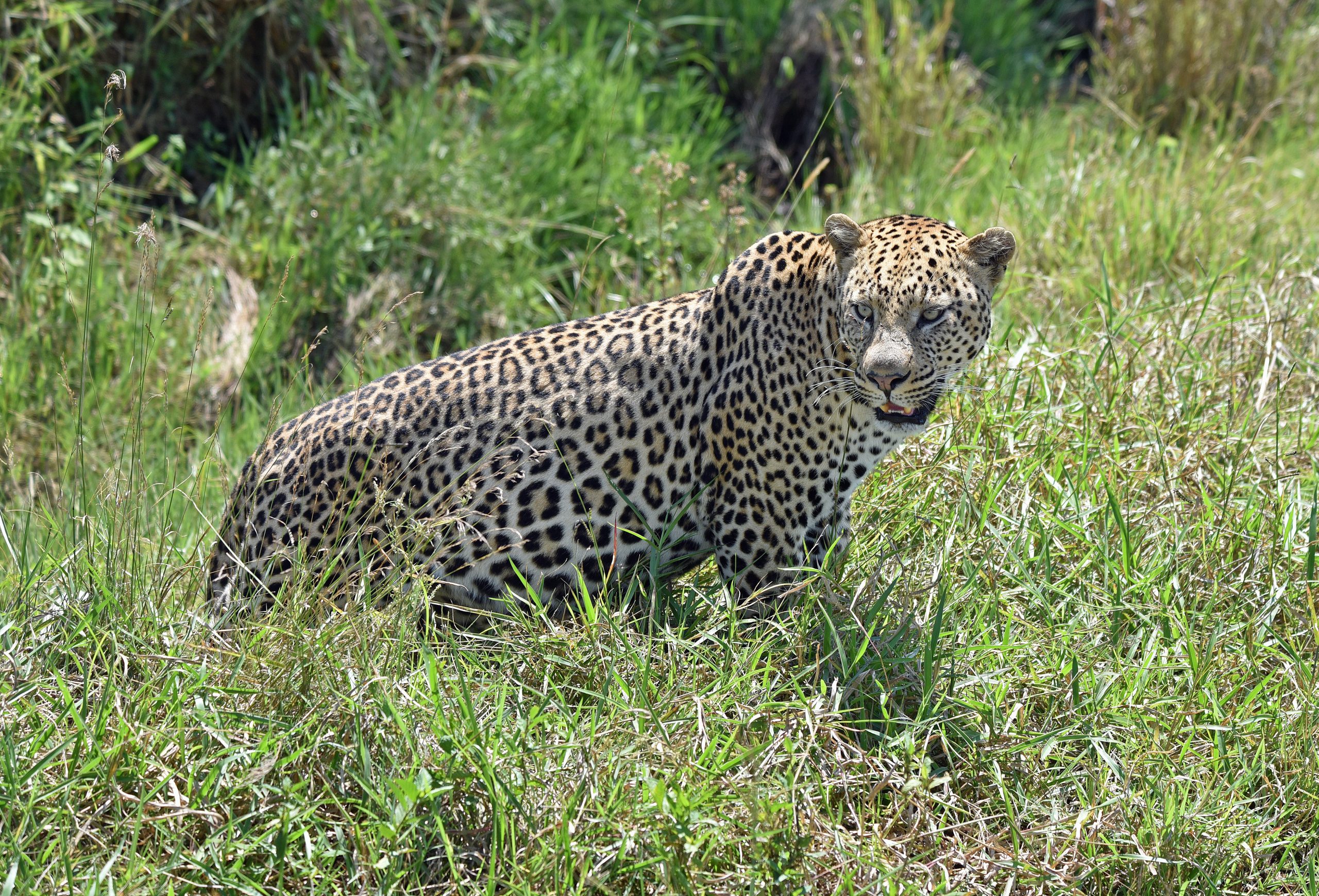
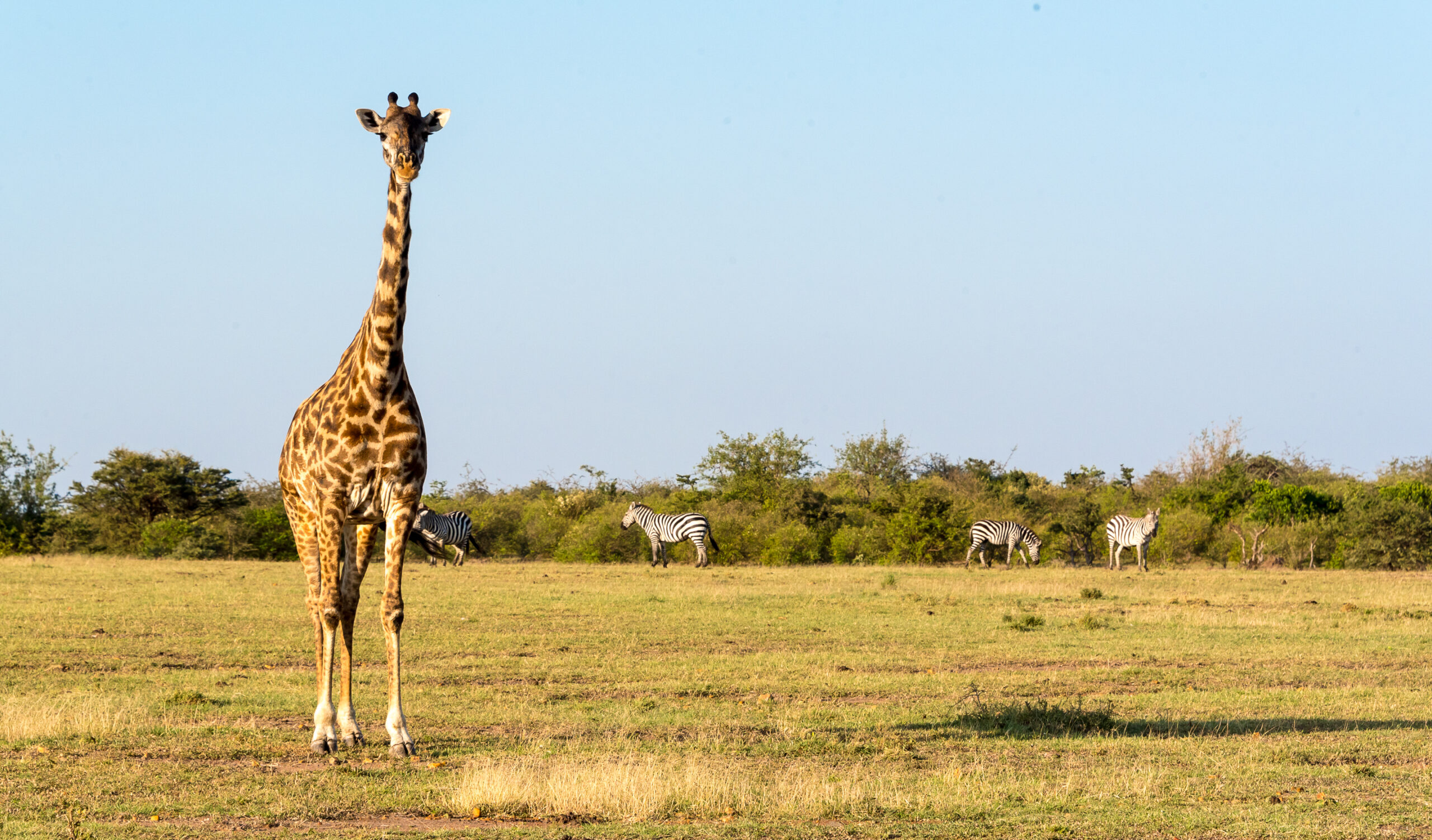
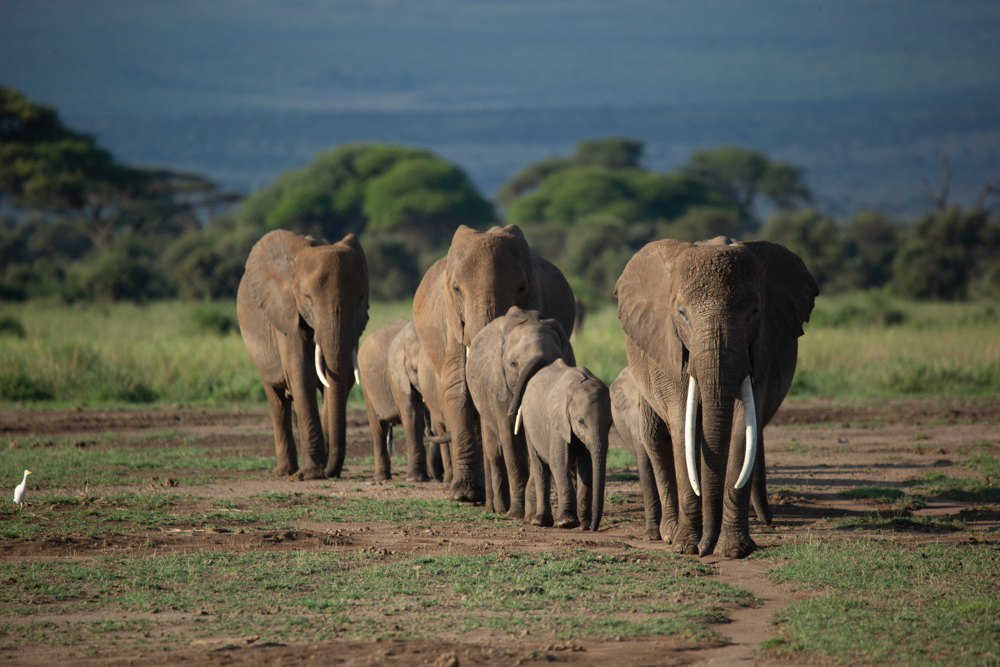
Masai Mara: four cheetah hunts (one successful), two river crossings, the Marsh Pride on seven consecutive mornings, a leopard kill in a fig tree. Amboseli: four bull elephants within five metres of the vehicle, Kilimanjaro clear at sunrise on two mornings. Samburu: Grevy’s zebra, reticulated giraffe, Somali ostrich, and a night drive that produced a striped hyena at 11:00 p.m.
“Solo safari clients are some of my favourite people to work with because they are fully present. There’s no negotiating with a travel companion about what time to go out or whether to wait another twenty minutes for the leopard. Our solo programme puts single travellers in vehicles with one or two other like-minded guests, and the conversations that happen on those drives are something group tours simply cannot replicate.””
— Nikos Pocock, Managing Director, Africa Calling Safaris (Nairobi, 2024)
Solo safaris score lowest on value due to single supplements; highest on photography control.
What I Would Tell Anyone Thinking About Going Solo
The deliberation, once you have done it, feels disproportionate to the experience that follows. The logistics are straightforward. The experience is entirely your own — you are not managing another person’s expectations or disappointments. You watch what you want, stay where you want, talk when you want and are silent when you want. This is, actually, an ideal way to see Africa for the first time.
Contact Africa Calling to plan your solo Kenya safari. Single supplements and private vehicle options are available for all itineraries.
The Practical Logistics of Solo Travel in Kenya
Kenya is one of Africa’s more straightforward solo safari destinations. English is an official language; signage, camp communication and guide interaction are all in English. The infrastructure around Nairobi is well developed — app-based taxis, reliable hotel booking platforms and a functioning airport transfer industry make arrival and departure uncomplicated. Within reserves, solo travellers are in vehicles with guides; the unaccompanied element of the trip is largely limited to the hotel at each end.
The single supplement question — an additional charge for occupying a double tent alone — is real and worth budgeting for. At mid-range camps it typically adds 15 to 30 per cent to the per-night rate. At high-end camps it often adds 50 per cent or more. Africa Calling negotiates single-supplement waivers at a number of partner camps during shoulder season and can arrange shared vehicles with other solo travellers to reduce costs where clients prefer this.
Solo travellers who want to understand the wider context of what they will encounter should read our detailed guides to Kenya’s big cats, the wildebeest migration and the African wild dog — the three species that consistently produce the most memorable solo safari moments, based on guest feedback. The safari budget guide includes solo-traveller specific cost notes. The Kenya Wildlife Service website provides up-to-date park entry regulations and fee schedules.
Solo Safari and Conservation Giving
Africa Calling Safaris’ solo traveller programme includes an optional conservation day in lieu of a single-supplement payment: instead of paying the standard single-occupancy surcharge for one night of the itinerary, solo clients can choose to spend that day volunteering with a conservation partner project — a rhino monitoring exercise in Laikipia, a Grevy’s zebra census in Samburu, or a tree-planting day in the Mount Kenya highland buffer zone. This option is taken up by approximately 30% of solo clients and consistently scores as a trip highlight in post-safari feedback.
Frequently Asked Questions
Sources and Further Reading
- Kenya Directorate of Immigration Services. Visa-free entry and eTA information. immigration.go.ke
- Grevy’s Zebra Trust. Annual census 2024. grevyszebratrust.org
- IUCN SSC Giraffe and Okapi Specialist Group (2018). Giraffa reticulata. IUCN Red List. iucnredlist.org
- Kenya Wildlife Service. Samburu National Reserve. kws.go.ke
What to Remember
- The single supplement is real — budget for it. At mid-range and luxury camps, solo travellers pay 50–100% extra; joining a group departure eliminates it entirely.
- Solo safari is the best photography setup available. Front seat, your own timeline, and a guide whose full attention is on your interests — it is often better than travelling with a group.
- You will not be lonely. Safari camps bring 6–12 guests together for sundowners and dinner; the shared experience of watching wildlife creates instant connection.
More from Safari News
All stories-
Guest Stories
George’s Safari with Africa Calling Safaris
My recent safari experience with Africa Calling Safaris exceeded every expectation I had ever set. From the moment the small aircraft touched down on the red-dust airstrip and I stepped into the…
-
Guest Stories
Giorgi’s Safari at Maasai Mara — October 2026
My experience at the Maasai Mara in October 2026 was simply extraordinary — and I say that as someone who approaches superlatives with genuine caution. I am a public health researcher by…
-
Guest Stories
From Tbilisi to Nairobi: A Georgian’s First Safari Experience
Nino had never left Europe before. She chose Kenya as her first intercontinental trip. Here is her account of what surprised her most about East Africa and why she would go back.