The Great Rift Valley: Geology, Lakes and the Wildlife It Created
The East African Rift Valley is one of the great geological events still visibly unfolding on Earth. Stretching from the Afar Triangle in Ethiopia to Mozambique, a distance of more than 6,000 kilometres, it represents the slow tearing apart of the African continent along a line of crustal weakness. This geological drama has produced the landscapes that define East African wildlife: the Great Rift lakes, the Serengeti plains, the Ngorongoro crater and the corridors that connect them.
The Geology: A Continent Pulling Apart
The East African Rift system consists of two branches. The eastern branch runs through Ethiopia, Kenya and Tanzania. The western branch curves through Uganda, Rwanda, Burundi and into Malawi. Where the eastern branch crosses Kenya, it creates a trough between 45 and 65 kilometres wide and up to 900 metres below the surrounding plateau. The Rift Valley floor in Kenya sits at around 600 metres above sea level; the escarpment walls rise to 2,000 metres on either side. This vertical relief, combined with the equatorial position, creates multiple climatic zones within a short horizontal distance.
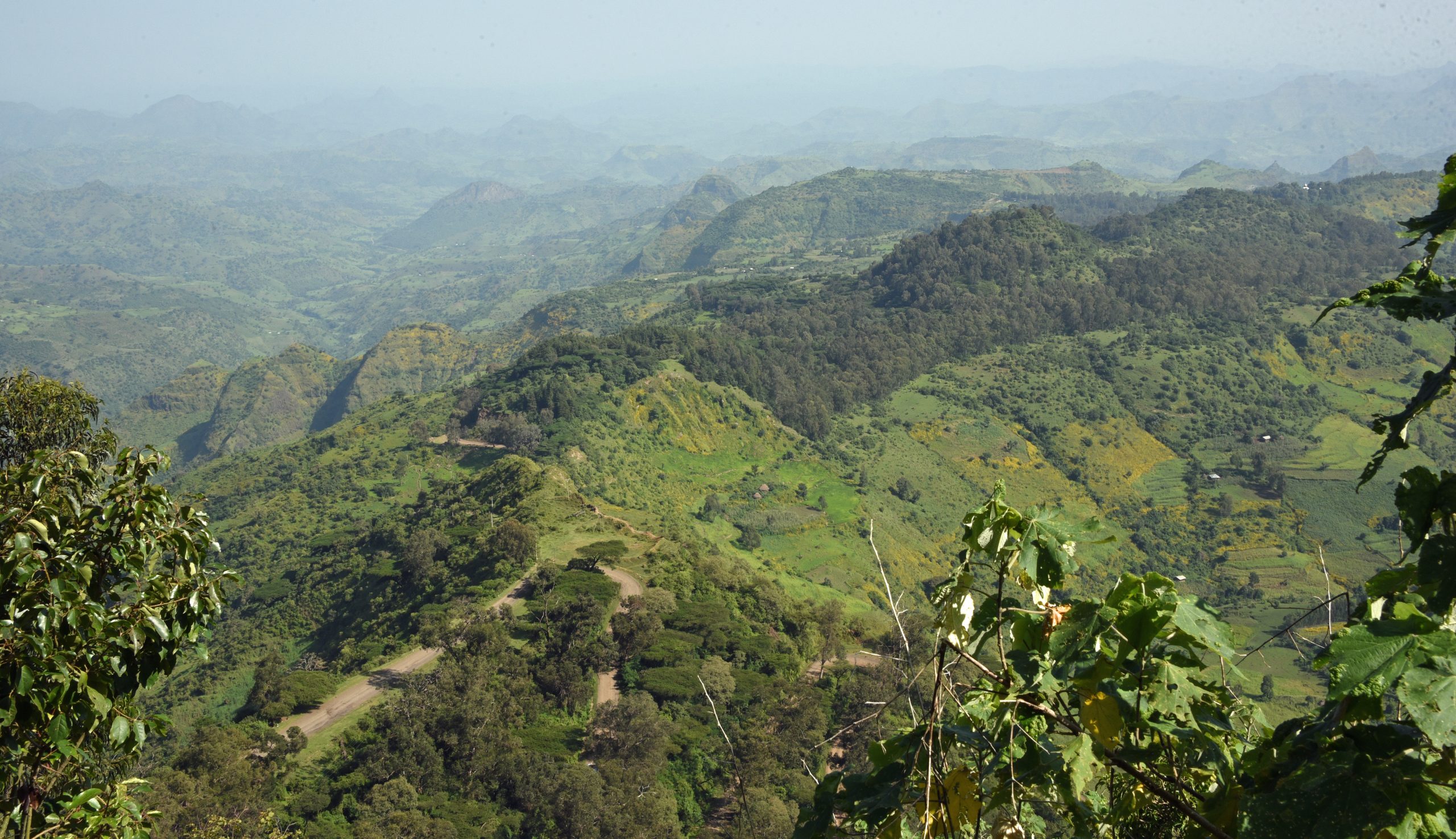
IUCN Rift Valley Lake assessments (2022): The Rift Valley lakes of Kenya support over 1.5 million Lesser Flamingos in peak concentrations at Lakes Nakuru and Bogoria. The alkaline chemistry of these lakes produces the cyanobacterial blooms that form the flamingos’ primary food source — a direct product of the volcanic geology underlying the Rift floor.
The Rift Lakes: Chemistry and Wildlife
The volcanic rocks surrounding the Rift lakes leach minerals into the water at rates that far exceed the capacity of the evaporating lake surfaces to dilute them. The result is a series of highly alkaline and saline lakes along the Rift floor. Lake Nakuru and Lake Bogoria have a pH of approximately 10.5 — caustic enough to burn human skin on extended contact. These extreme conditions create a monoculture that supports almost nothing except the cyanobacterium Arthrospira fusiformis. This, however, is all the Lesser Flamingo needs. The birds can feed in waters that exclude all other competitors, filtering up to 60 grams of algae per day from the water with their specialized upside-down bills.
“The Rift Valley is the reason East Africa looks the way it does. Without it, there would be no Lake Nakuru, no Ngorongoro Crater, no Serengeti plains. Every aspect of what we show our clients — the flamingos, the migration, the open savannah where the cats hunt — traces back to geology. I find it makes the wildlife more profound when you understand the deep time behind it.”
Nikos Pocock — Managing Director, Africa Calling Safaris
Volcanic Soils and the Serengeti Ecosystem
The short-grass plains of the Serengeti and the Masai Mara are not naturally short due to overgrazing. They are short because they grow on volcanic ash deposited by the Ngorongoro volcanic complex between 1 and 2.5 million years ago. Volcanic ash produces soils rich in calcium and phosphorus but low in nitrogen, favouring short nitrogen-poor grasses over taller species. These short grasses are highly nutritious, containing the calcium that wildebeest calves need for bone development. The calving season on the southern Serengeti short-grass plains is a direct consequence of Rift Valley volcanism.
Future of the Rift: A New Ocean in 10 Million Years
The East African Rift is spreading at a rate of 6–7 millimetres per year. If this continues, the Horn of Africa will eventually separate from the African continent, forming a new ocean between Somalia and the mainland. This will occur on geological timescales of tens of millions of years, but the process is already measurable. The 2005 Afar event in Ethiopia, when a 60-kilometre-long, 8-metre-wide crack opened in the desert over a period of days, provided a rare visible demonstration of the process in action.
Frequently Asked Questions
Can I visit the Rift Valley escarpment on a Kenya safari?
Yes. The main Nairobi-Nakuru road crosses the escarpment with a famous viewpoint at the top. Lake Nakuru National Park sits on the Rift floor. Hell’s Gate National Park, also on the Rift floor, allows walking and cycling among geothermal features.
Are there active volcanoes in the Kenyan Rift?
Ol Doinyo Lengai in northern Tanzania is the only currently active carbonatite volcano on Earth. Mount Longonot in Kenya’s Rift is considered potentially active. Significant eruptions in the Kenyan Rift are not anticipated in the near term but the volcanic history is geologically recent.
Why are some Rift Valley lakes freshwater and others saline?
Lakes with outlet rivers — such as Lake Naivasha — flush their mineral content continuously and remain fresh. Lakes in closed basins with no outlet — Nakuru, Bogoria, Magadi — concentrate minerals through evaporation and become increasingly alkaline and saline over time.
What is the best Rift Valley site for a day visit from Nairobi?
Hell’s Gate and Lake Naivasha are 90 minutes from Nairobi and excellent for a full-day visit. Lake Nakuru requires a full day and ideally an overnight stay. Bogoria is four hours north and best combined with Nakuru or Baringo.
Visited Africa Calling Safaris? We would love to hear your story.
Share Your ExperienceMore from Safari News
All stories-
Travel Tips
Rwanda’s Volcanoes National Park: Gorillas, Golden Monkeys, and Misty Peaks
Volcanoes National Park is Africa's most celebrated gorilla sanctuary. Here is everything you need to plan the visit.
-
Travel Tips
Kenya’s Top 10 Bird Species: A Field Guide for Safari Visitors
Kenya holds more than 1,100 recorded bird species — more than the entire continent of Europe combined. Its position straddling the Equator, with habitats ranging from ocean coast to alpine moorland at…
-
Travel Tips
Choosing the Right Safari Vehicle: What Makes the Difference Between a Good Drive and a Great One
The vehicle you travel in on safari determines the quality of almost every wildlife encounter you will have. It governs how close you can approach animals, how many positions you can find…