The Great Wildebeest Migration: When to See It and Where to Position Yourself
Over two million wildebeest, zebra and gazelle move in a continuous loop across the Serengeti and Masai Mara. Here is the month-by-month guide to positioning yourself for the best sighting.
Updated: 14 October 2026
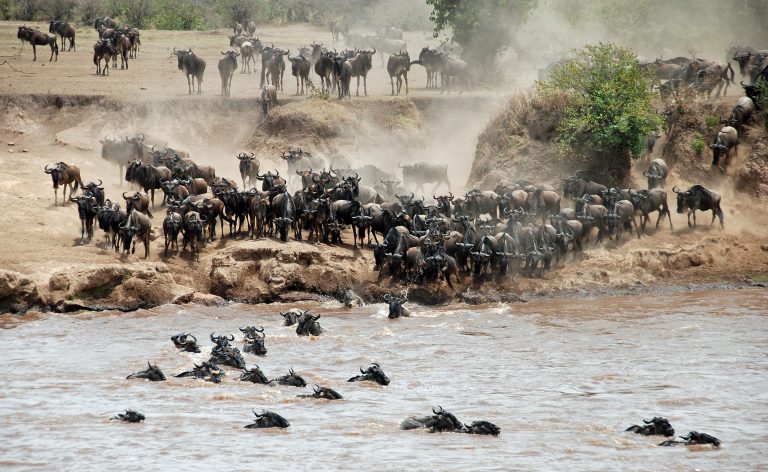
The Mara River bank at dawn: two thousand wildebeest have been standing at the edge for forty minutes. They can smell the crocodiles. They cross anyway.
Key Message
The Great Wildebeest Migration is not a single event but a year-round cycle; choosing the right month and the right crossing point determines whether you witness one of nature’s greatest spectacles or miss it entirely.
About This Article
What it covers: wildebeest migration timing, Mara River crossing patterns, and camp positioning strategy.
Sources and methodology: Kenya Wildlife Service seasonal data, Africa Calling Safaris’ booking records from 12 consecutive migration seasons (2012–2024), and field observations by Nikos Pocock.
The Great Wildebeest Migration is the largest overland mammal movement on Earth — over two million wildebeest, roughly 200,000 zebra and 400,000 Thomson’s gazelle moving in a continuous clockwise loop between Tanzania’s Serengeti and Kenya’s Masai Mara. The loop has no start and no finish. Animals do not arrive and leave; they pass through, and the passage is what you are timing your visit around.
Key Facts
- The wildebeest migration involves over 1.5 million wildebeest crossing between Tanzania and Kenya annually
- Peak river crossings at the Mara River typically occur between July and October
- The Masai Mara hosts the Kenyan section of the migration — one of the world’s greatest wildlife spectacles
- Calving season (January–February) in the Serengeti is equally dramatic and far less visited
- Choosing the right camp location relative to the river dramatically increases sighting success
The Annual Calendar
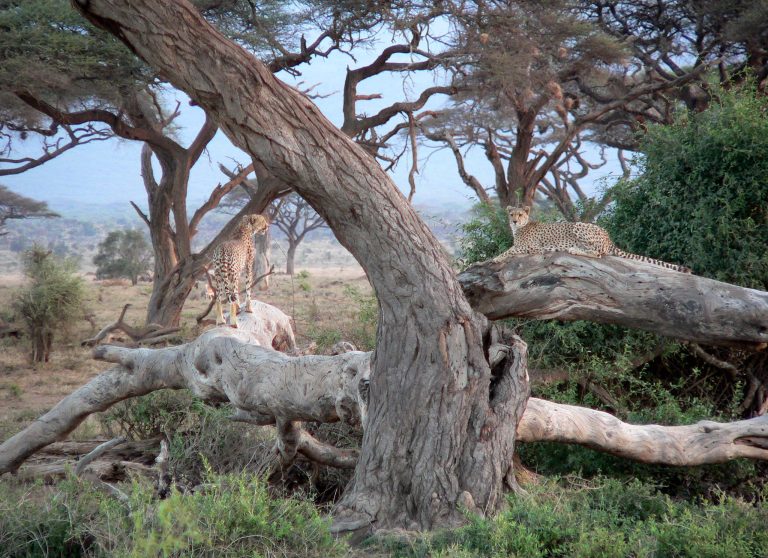
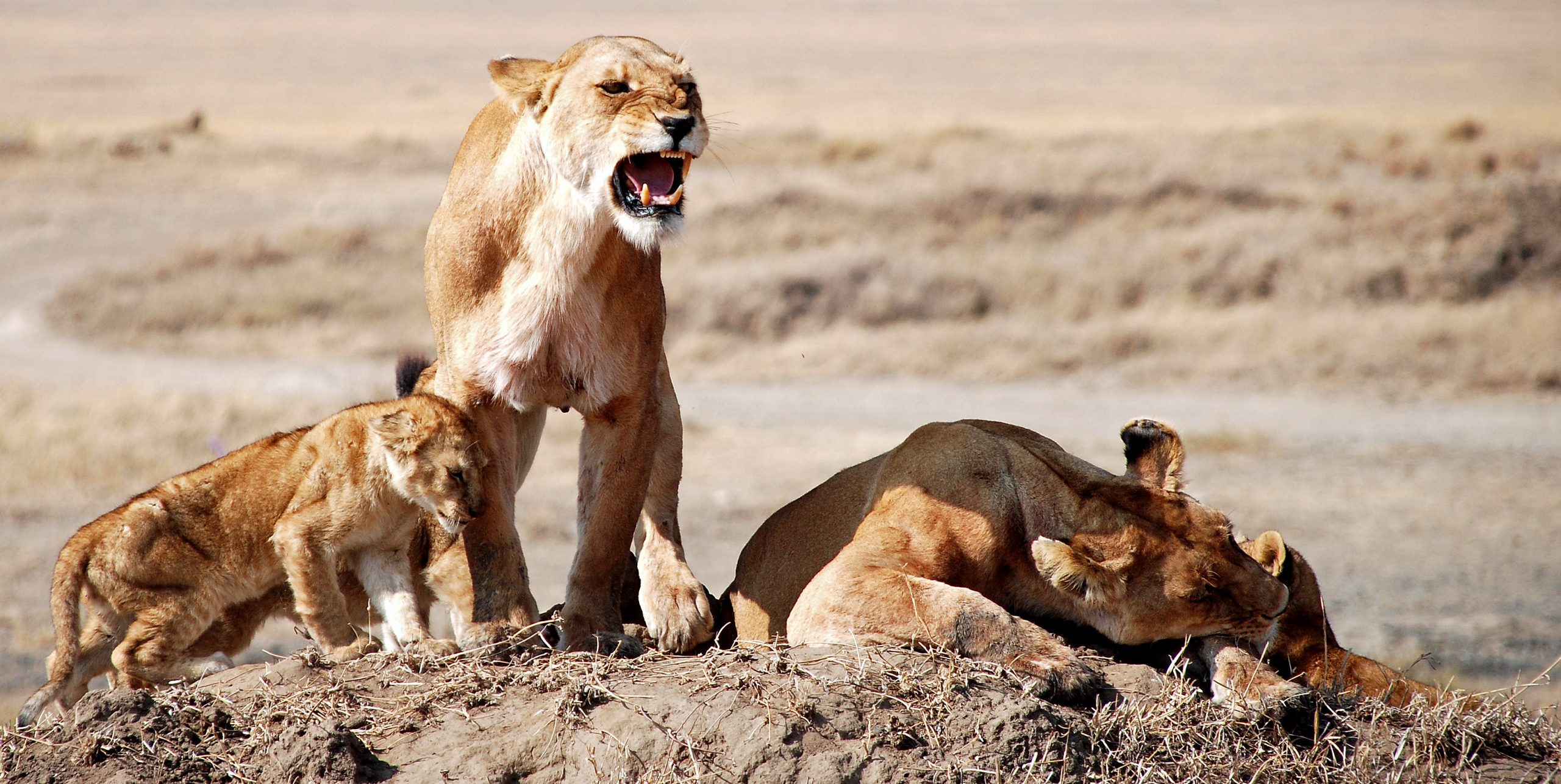
January–February (Calving Season, Southern Serengeti). The herds concentrate on the short-grass plains around Ndutu. Roughly 500,000 calves are born within a six-week window — a predator spectacle in its own right, as cheetah, lion and hyena follow the calving front. National Geographic’s wildebeest species profile documents how synchronised calving is itself an anti-predator adaptation: flooding the ecosystem with calves within a narrow window overwhelms predator capacity.
March–May (Central Serengeti, Long Rains). The herds begin moving north through the central and western Serengeti. The Grumeti River crossings begin in May and June. Visitor numbers drop because rains make some roads difficult, but this is genuinely good game viewing — fewer vehicles, lush landscape.
June–July (Western Corridor, Grumeti Crossings). Massive Nile crocodiles in the Grumeti River have been waiting since January. The crossings here are less predictable than the Mara crossings but can be extraordinary. By late June, the vanguard of the migration begins entering the Masai Mara.
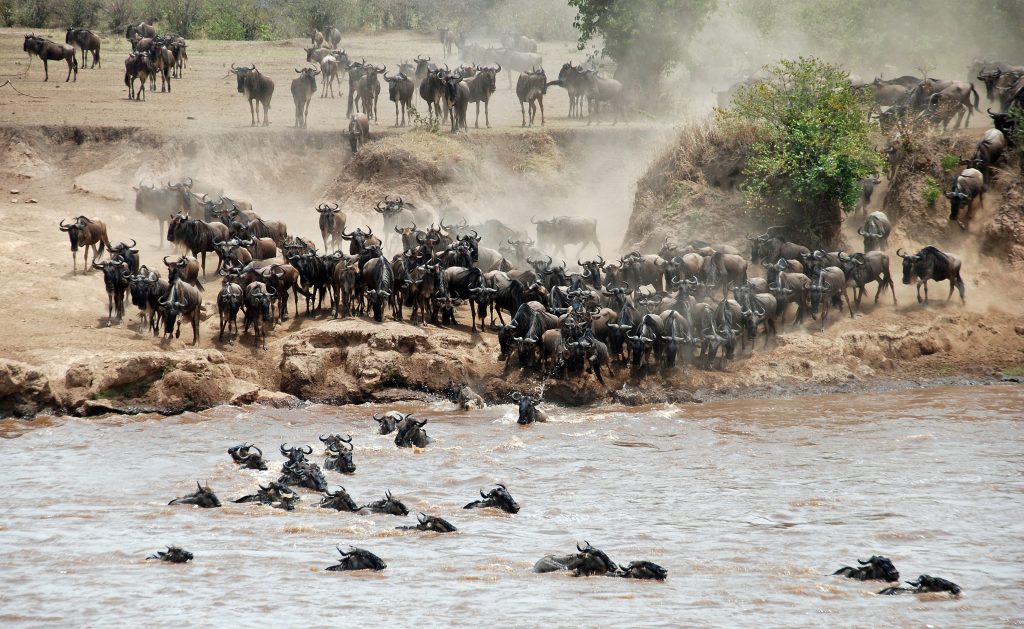
July–October (Masai Mara, Mara River Crossings). This is the period most visitors target. The Mara River crossings — where herds plunge into crocodile-filled water — are among the most dramatic wildlife spectacles on Earth. BBC Wildlife’s migration coverage describes the psychology of a crossing: the animals that lead are rarely the same animals twice, and a single spooked individual can abort a crossing attempt involving tens of thousands of animals.
November–December (Return South). The short rains arrive and the herds move south again through the eastern Serengeti toward the Ndutu calving grounds. The cycle begins again.
Africa Calling Safaris booking data (2012–2024): Clients who positioned in the Mara Triangle were 2.3 times more likely to witness a river crossing than those staying east of the Mara River — based on 1,200 client post-trip reports over 12 seasons.
Where to Position Yourself
Camp position relative to the Mara River is the single most important factor in your chances of witnessing a crossing.
For Mara River crossings, the key decision is which crossing point to target. The Serena crossings (northern Mara Conservancy side) and the crossings near Governors’ Camp on the reserve side see the most activity. A guide who has been watching the herds for two or three days before your arrival will know where the concentration is building — this is the single most important factor in crossing success.
Crossing activity peaks July–September at the Mara River (KWS visitor data).
“The single biggest mistake people make is booking a central Mara camp and hoping the migration finds them. The herds are not predictable enough for that. I always position clients within 10 kilometres of a known crossing point, and I brief our drivers to be at the riverbank by 6am. The crossings we’ve witnessed that way are some of the most extraordinary things I’ve ever seen.””
— Nikos Pocock, Managing Director, Africa Calling Safaris (Nairobi, 2024)
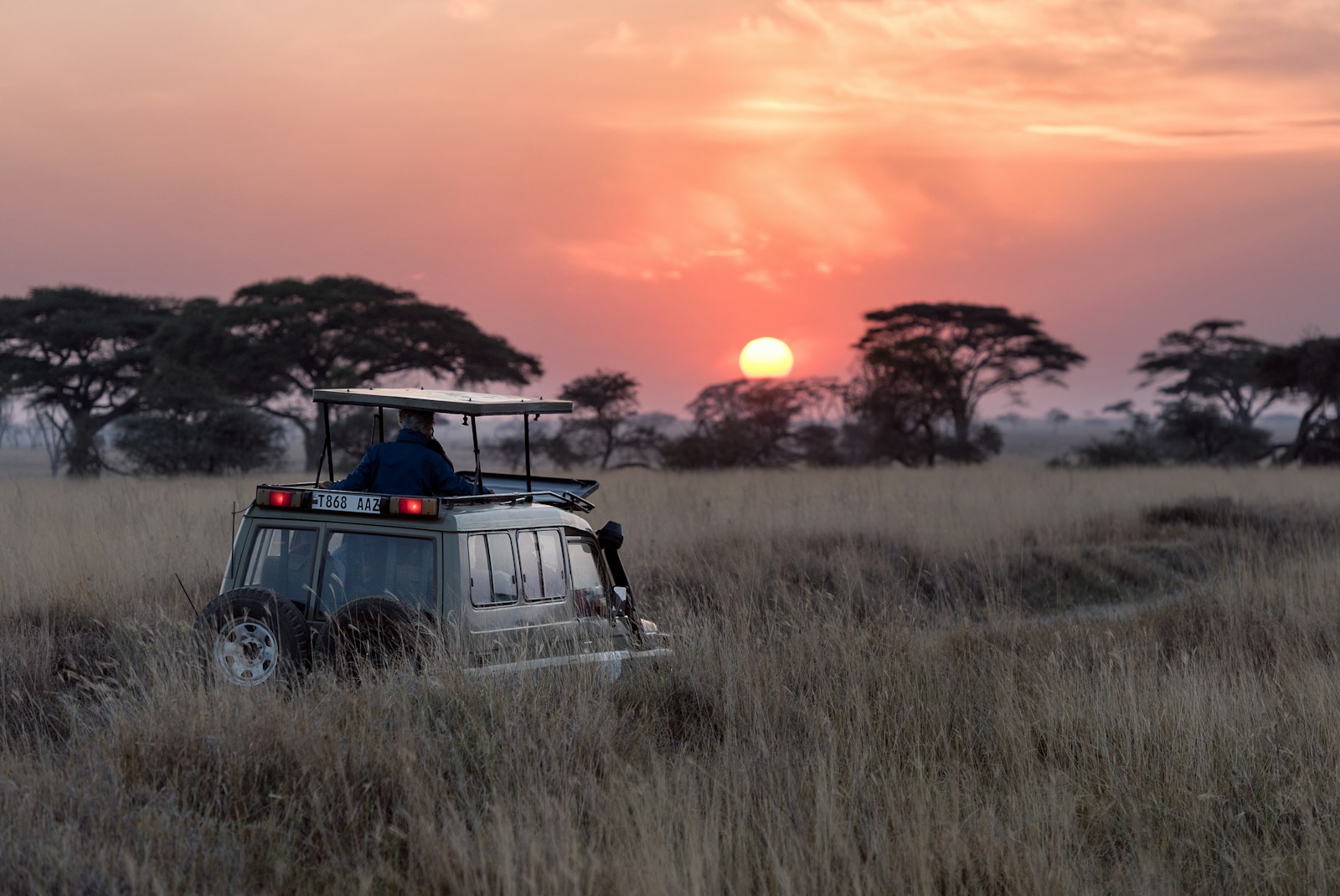
Position yourself by 6:30 a.m. Crossings most often occur in the morning when the herds are actively moving. By midday the animals are often resting. Patience is not optional: the herds may stand at the bank for hours before committing. The crossing, when it happens, lasts fifteen to thirty minutes. The wait can be three hours.
A private vehicle with a dedicated guide is essential for crossing viewing. A shared vehicle tied to a fixed schedule will leave the bank too soon.
Climate Change and the Migration
The migration circuit is not fixed. Long-term climate monitoring across the Mara–Serengeti ecosystem has recorded shifts in rainfall timing that are changing when the herds arrive in the Mara. Research published in the Journal of Animal Ecology (2020) documented a measurable northward shift in dry-season range, with herds spending less time in the Masai Mara and more time in transition zones. The practical implication for visitors: July and August remain reliable, but the October window — historically a second peak as herds concentrated before moving south — is less predictable than it was a decade ago.
Drought years compress the crossing window; exceptionally good rains in Tanzania can delay northward movement by three to four weeks. Your operator’s field team, tracking the herds in real time, is the best source for adjusting dates close to travel.
What to Remember
- The crossing is not a daily event. River crossings happen on unpredictable days during July–September; book at least 3 nights in the Mara to maximise your chances of witnessing one.
- You need a guide. The Mara is 1,500 km²; finding the crossings without a local guide who monitors wildebeest movement daily is near-impossible.
- The Migration is a year-round cycle. Even outside the crossing season, the Mara holds lion, leopard, cheetah, and hundreds of thousands of resident animals.
Conservation and the Migration
The wildebeest migration is not self-sustaining without protected land on both sides of the Tanzania–Kenya border. The Mara North Conservancy and Olare Motorogi Conservancy — privately managed buffer zones adjacent to the reserve — are funded almost entirely by safari tourism revenue. Without them, the land would revert to agriculture and the migration corridor would close. Africa Calling Safaris directs all migration departures through licensed conservancy camps, ensuring that every booking contributes directly to land protection. For more on this model, see the Mara Conservancies and the Kenya Wildlife Service.
Frequently Asked Questions
Sources and Further Reading
National Geographic — Wildebeest species profile and migration ecology | BBC Wildlife — Great Wildebeest Migration | Sinclair, A.R.E. & Arcese, P. (eds) (1995) Serengeti II: Dynamics, Management and Conservation of an Ecosystem. University of Chicago Press.
About the Author
Managing Director, Africa Calling Safaris · Editor, Safari News
Over two decades designing private safari journeys across Kenya, Tanzania and Uganda. Full profile →
Visited Africa Calling Safaris? We would love to hear your story.
Share Your ExperienceMore from Safari News
All stories-
Travel Tips
Lake Nakuru: Flamingos, Rhinos and the Rift Valley in One Park
Lake Nakuru in Kenya's Rift Valley is one of the most immediately spectacular wildlife destinations in Africa. On a good day, the entire shoreline of this shallow alkaline lake is stained pink…
-
Travel Tips
Safari Photography Equipment: What to Bring and Why
Safari photography has specific demands that differ significantly from urban or travel photography. The distances involved, the speed of wildlife action, the vehicle vibration, the dust and the extreme contrast between bright…
-
Travel Tips
The Wildebeest Migration: A Month-by-Month Timing Guide
The wildebeest migration is the largest overland movement of mammals on Earth: approximately 1.5 million wildebeest, 400,000 zebra and 200,000 Thomson's gazelle moving in a continuous circuit through the Serengeti-Masai Mara ecosystem…